Global deforestation rates have decelerated, offering a brief respite for environmental investors and commodity traders. However, the looming threat of El Niño-driven wildfires threatens to erase these gains and disrupt supply chains. Markets are closely watching how this climatic shift will impact timber, agricultural outputs, and carbon credit valuations.
Deforestation Data Shows Mixed Signals
Recent satellite data from the Global Forest Watch initiative indicates a moderation in the rate of tree cover loss. This trend has provided some stability to the global timber market and related forestry sectors. Investors in sustainable agriculture have responded positively to the data, seeing it as a sign of maturing conservation efforts.
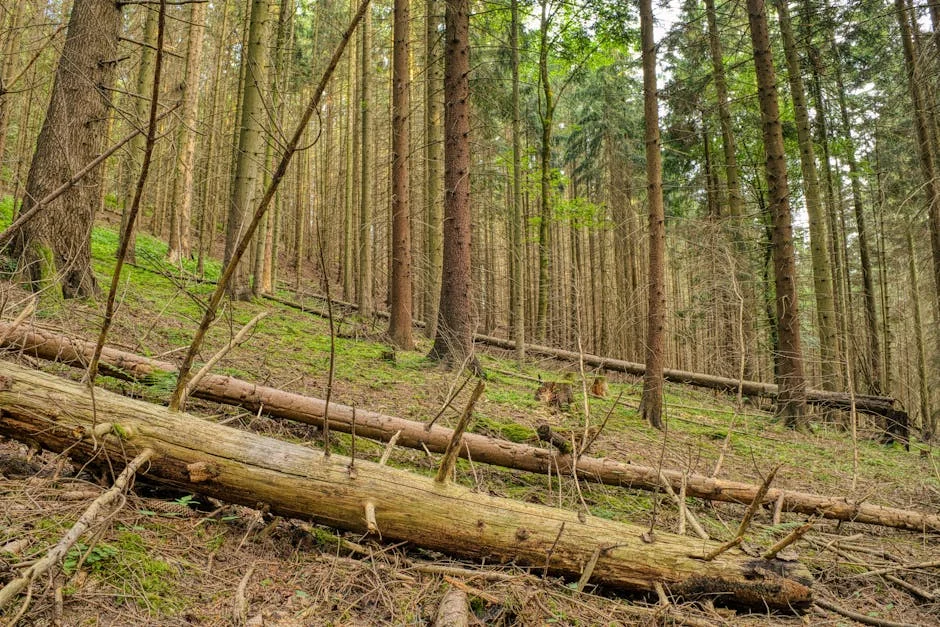
Despite this positive trend, the underlying drivers of deforestation remain volatile. Agricultural expansion, particularly for soy and palm oil, continues to push forest frontiers. The economic pressure on land use means that any external shock could quickly reverse the current slowdown.
The moderation in deforestation has not yet translated into a major price surge in softwood lumber. However, traders are beginning to factor in the potential for supply constraints. This subtle shift in market sentiment suggests that investors are becoming more sensitive to environmental data.
El Niño Threatens to Undervalue Carbon Assets
The return of El Niño brings a heightened risk of intense wildfires across major forested regions. These fires can consume vast tracts of carbon-storing biomass in a matter of weeks. For investors holding carbon credits, this represents a direct threat to the underlying asset value.
Regional Vulnerabilities
Several key regions are particularly exposed to this dual threat of deforestation and fire. These areas are critical to the global supply of various commodities and carbon sequestration.
- The Amazon Basin in South America faces intense heat and drying conditions.
- The Congo Basin in Central Africa is seeing increased pressure from agricultural expansion.
- The Southeast Asian archipelago remains vulnerable to peatland fires during dry spells.
Market analysts warn that if fires intensify, the price of voluntary carbon credits could become highly volatile. Buyers of carbon offsets may demand higher premiums to account for the "mortality risk" of the stored carbon. This could lead to a repricing event in the carbon market, affecting corporate ESG portfolios.
Commodity Markets Face Supply Chain Risks

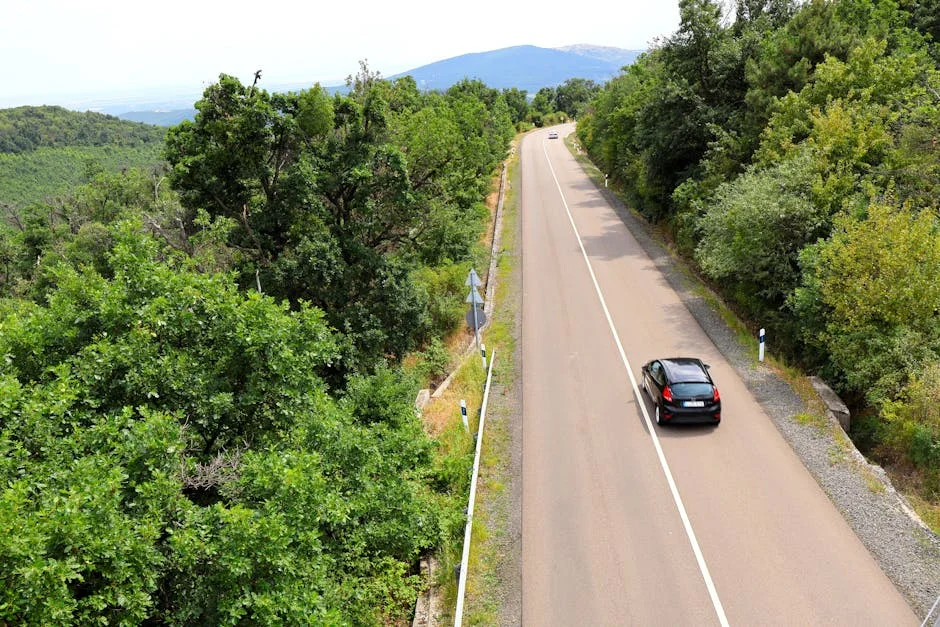
Agricultural commodities are directly linked to forest health and land use patterns. Disruptions in forested areas can lead to changes in local rainfall patterns, affecting crop yields. For example, coffee and cocoa producers in Central and South America are already adjusting their hedging strategies.
Timber prices are also sensitive to these environmental factors. Wildfires can destroy mature timber stands, reducing the immediate supply of high-quality wood. This scarcity can drive up construction costs and impact the profitability of furniture and paper manufacturers.
Investors in the agricultural sector must consider the long-term implications of forest loss. Soil degradation and water cycle disruption can reduce the productivity of adjacent farmland. This creates a hidden liability on the balance sheets of agribusinesses operating near forest frontiers.
Investment Strategies in a Changing Climate
Financial institutions are beginning to integrate climate risk into their investment models. The slowing of deforestation is a positive indicator, but it is not a guarantee of stability. Investors need to look beyond the headline numbers and assess the resilience of forest assets.
Diversification across different forest biomes can help mitigate the risk of localized events. For instance, a portfolio that includes assets from the temperate forests of the Northern Hemisphere and the tropical forests of the Global South may be less susceptible to a single El Niño event.
Due diligence is more important than ever for investors in the green economy. This includes verifying the quality of carbon credits and assessing the physical risk to forestry assets. Companies that fail to adapt to these changing conditions may find their valuations corrected by the market.
The economic impact of forest loss extends beyond the direct value of timber and carbon. It affects biodiversity, which supports pollination and pest control in agriculture. This ecosystem service has a measurable economic value that is often overlooked by traditional financial analysis.
Looking Ahead: Monitoring the Climate Indicators
Investors and policymakers must remain vigilant as the El Niño pattern evolves. The next few months will be critical in determining the extent of fire damage and its impact on global markets. Early warning systems and real-time satellite data will be essential tools for risk management.
Watch for updates from the World Meteorological Organization regarding the intensity of the El Niño event. Additionally, monitor the quarterly reports of major forestry and agricultural companies for signs of supply chain disruption. These indicators will provide early signals of potential market movements.
See Also
- Instituto Camões reveals acute shortage of Portuguese teachers — a crisis for education
- Mavropanos Shakes Up City - Impact Echoes Across South Africa
The next few months will be critical in determining the extent of fire damage and its impact on global markets. See AlsoInstituto Camões reveals acute shortage of Portuguese teachers — a crisis for educationMavropanos Shakes Up City - Impact Echoes Across South Africa