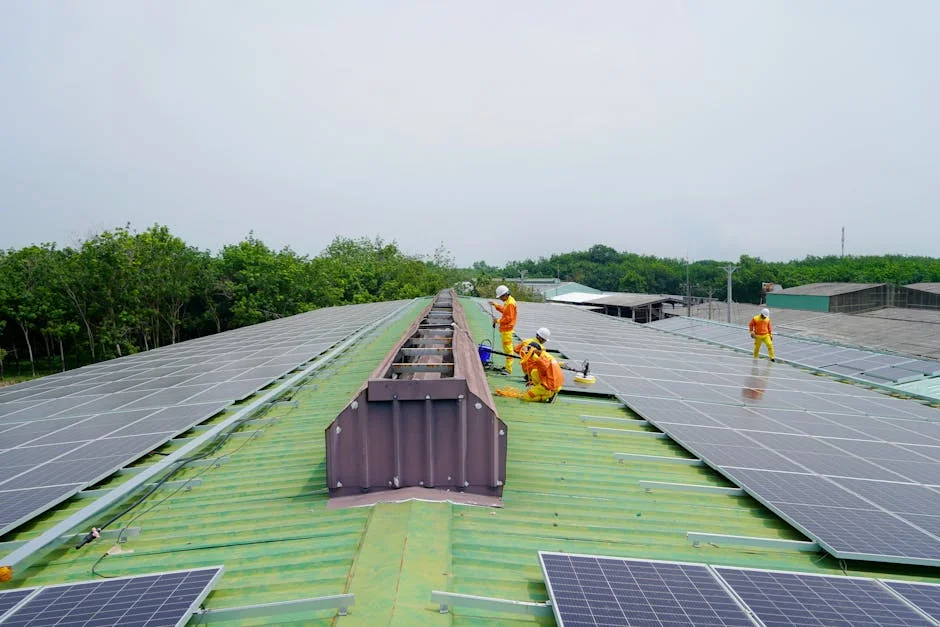
The Indian Minister of New and Renewable Energy has announced an ambitious 100-day target aiming to provide six lakh PM Surya Ghar connections to Scheduled Caste (SC) and Scheduled Tribe (ST) households. This initiative, designed to expand solar energy access, is expected to significantly impact local markets and the broader economy.
Understanding Surya Ghar and Its Economic Impact
The Surya Ghar initiative aims to harness solar energy to provide affordable electricity to underserved communities. By targeting SC and ST households, the programme seeks to address longstanding socio-economic disparities. The rollout of these connections is expected to stimulate local businesses involved in solar panel production, installation, and maintenance.

According to the Ministry of New and Renewable Energy, each connection could lead to a reduction in electricity costs for households, freeing up income for other needs and potentially boosting local consumption. Moreover, the initiative is poised to create jobs in the renewable energy sector, contributing to economic growth.
Market Reactions and Investor Opportunities
The announcement has already sparked interest from investors, particularly those focused on green energy solutions. Companies specialising in solar technology are likely to see increased demand, which may lead to higher stock valuations. This shift aligns with global trends towards sustainable energy, offering investors a promising opportunity.
Market analysts believe that if the target is met, it could position India as a leader in solar energy innovation. Firms such as Tata Power and Adani Green Energy are closely watching the developments, as they could potentially benefit from new contracts and partnerships.
Challenges and Stakeholder Concerns


Despite the optimistic outlook, there are challenges to consider. The logistics of deploying six lakh connections in 100 days are formidable, requiring efficient coordination among government agencies, private companies, and local communities. Past initiatives have sometimes faltered due to bureaucratic delays and funding issues.
Additionally, there is concern over the sustainability of such a rapid rollout. Ensuring that installations are of high quality and that maintenance services are readily available will be crucial for the long-term success of the Surya Ghar programme.
Next Steps in the Surya Ghar Initiative
As the 100-day countdown begins, stakeholders will be closely monitoring the progress. The Ministry plans to provide regular updates on the number of connections completed. Businesses involved in the project should prepare for potential scaling challenges and explore partnerships that could facilitate smoother execution.
Looking forward, the success of this initiative could pave the way for similar projects in other regions, further enhancing India's renewable energy capacity. Investors and market participants are advised to stay informed about developments and potential opportunities arising from this ambitious governmental effort.