Portugal's northern region, known as Norte, has become the epicenter of new construction, accounting for nearly half of all residential developments in the country. This surge is reshaping the housing market, attracting investors, and influencing economic growth across the nation. The Ministry of Infrastructure and Housing recently confirmed that Norte's construction boom is outpacing other regions, driven by rising demand and strategic urban planning.
Construction Boom in Norte Region
The Norte region, which includes cities like Porto and Braga, has seen a 47% increase in new housing projects compared to the previous year. This growth is fueling demand for building materials, labor, and real estate services. According to the National Institute of Statistics (INE), the region's construction output rose by 12% in 2024, with over 15,000 new housing units approved in the first half of the year alone.
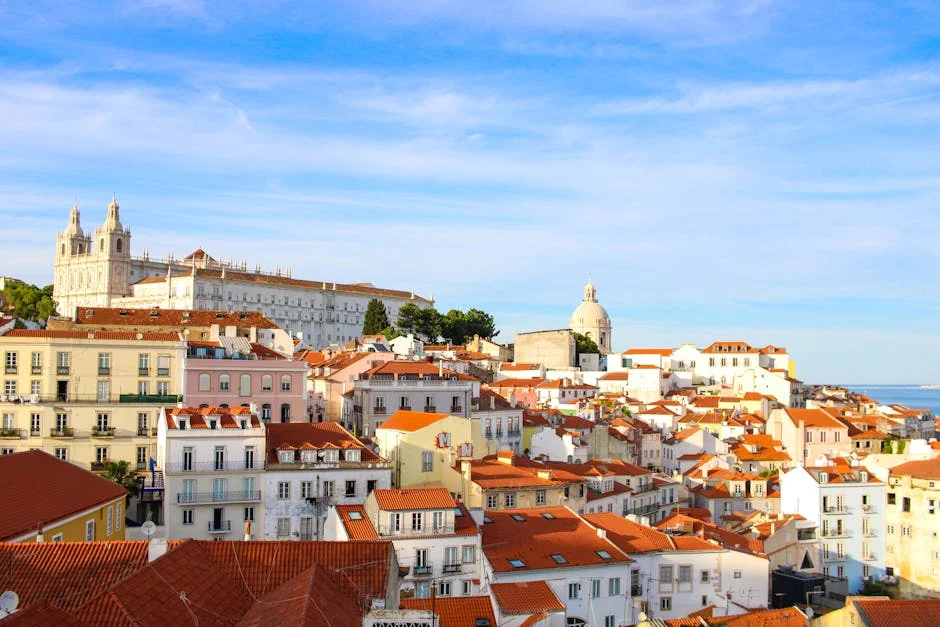
The government's focus on urban renewal and infrastructure investment has played a key role. The Ministry of Infrastructure and Housing launched a program in 2023 to streamline permits and improve access to financing for developers. This initiative has encouraged both local and foreign investors to target the Norte region, where land is more affordable than in Lisbon or the Algarve.
Market Reactions and Investor Interest
Real estate developers and construction firms have responded swiftly to the surge in demand. Companies such as PT, a major construction and infrastructure firm, have expanded operations in the region, with new projects in Porto and Guimarães. PT's CEO, Ana Ferreira, noted that the northern market offers "a unique combination of affordability, labor availability, and government support that is hard to match elsewhere in the country."
Investors are also taking notice. The Portuguese stock exchange has seen a 15% rise in shares of construction and real estate firms linked to the Norte region. Analysts suggest that the growth could lead to long-term economic benefits, including increased employment and higher tax revenues for local municipalities.
Business Implications and Supply Chain Strains

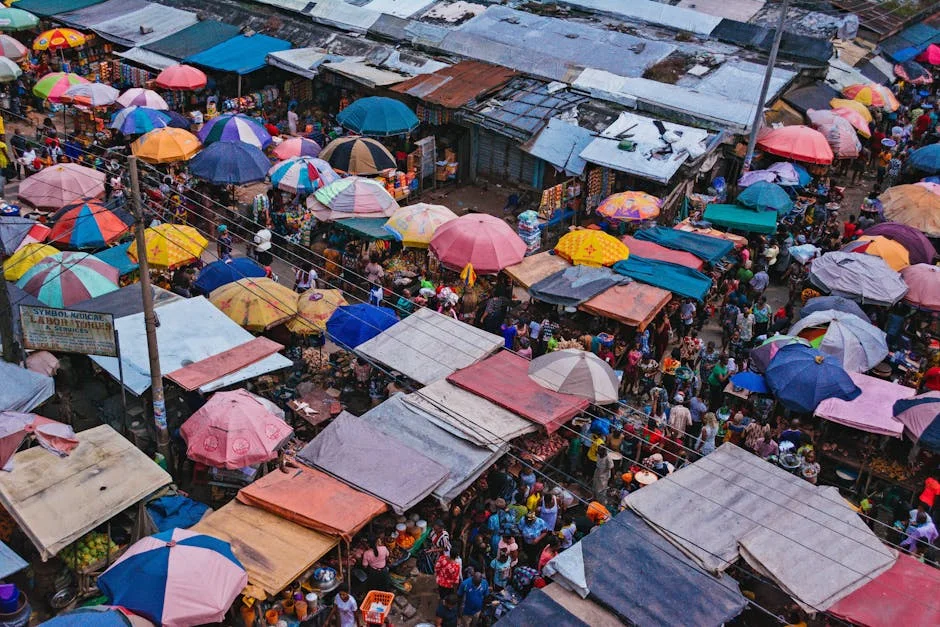
The construction boom has placed pressure on the supply chain, particularly for materials like cement and steel. Local suppliers report a 20% increase in orders, but some are struggling to meet demand. The Portuguese Association of Construction Materials (APC) warned that delays in deliveries could slow down projects if not addressed.
Labour shortages are another concern. With the demand for skilled workers rising, wages have increased by 8% in the region over the past year. This has led to higher construction costs, which could affect housing affordability in the long term. Experts suggest that the government must invest in vocational training to sustain the momentum of the boom.
Investment Perspective and Economic Outlook
For investors, the Norte region represents a high-growth opportunity. The region's GDP growth has outpaced the national average, with a 3.2% increase in 2024. This growth is expected to continue as new infrastructure projects, including road expansions and public housing developments, come online.
However, the rapid pace of development also raises concerns about sustainability. Environmental groups have called for stricter regulations to prevent overdevelopment and protect green spaces. The Ministry of Environment has acknowledged these concerns and is working on new guidelines for construction in sensitive areas.
Regional Dynamics and Local Impact
The growth in Norte is not uniform across all municipalities. While Porto and Braga are seeing a surge in construction, smaller towns are struggling to keep up. Local officials in Viana do Castelo have raised concerns about the disparity, arguing that infrastructure investment should be more evenly distributed.
At the same time, the boom has created new opportunities for small and medium-sized enterprises (SMEs) in the construction and real estate sectors. Local businesses report increased sales and hiring, which is contributing to a broader economic upswing in the region.
As the construction boom continues, the focus will shift to long-term sustainability and equitable growth. Investors and policymakers alike must balance the economic benefits with the need for responsible development. The coming months will be critical in determining whether the Norte region can maintain its momentum while addressing the challenges that come with rapid expansion.
See Also
- Ramada's Profits Plummet by Over 69% — What This Means for South Africa's Economy
- Mamelodi Sundowns Feel Pressure as Orlando Pirates Target Title Charge
Experts suggest that the government must invest in vocational training to sustain the momentum of the boom. However, the rapid pace of development also raises concerns about sustainability.
What is the latest news about norte leads new construction in portugal amid housing boom?
Why does this matter for economy-business?
What are the key facts about norte leads new construction in portugal amid housing boom?