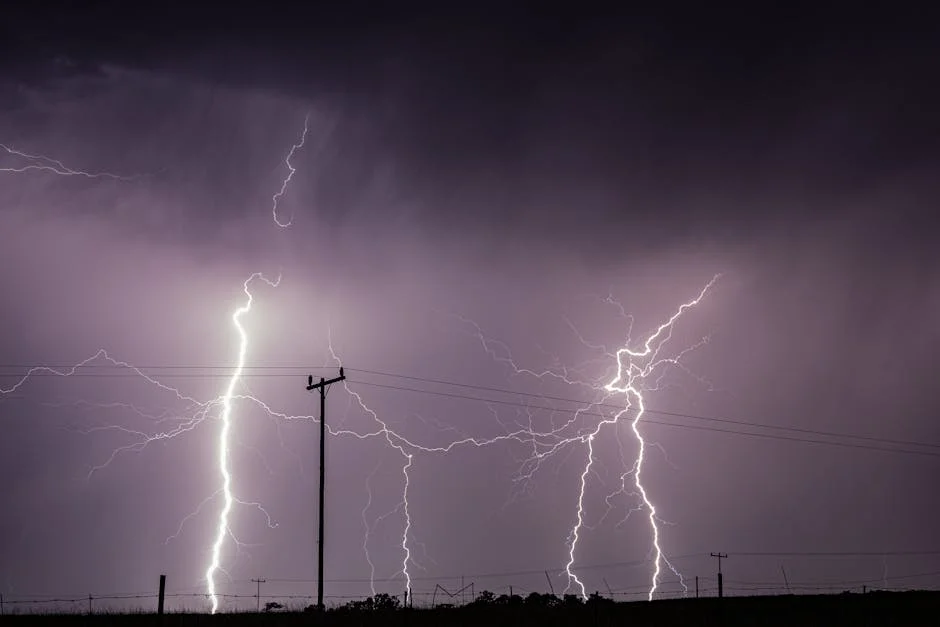
Recovery efforts are underway in Olmsted County, Minnesota, after a severe storm system caused widespread damage to infrastructure, homes, and local businesses. The storm, which hit the region on 12 April, left over 500 properties damaged and disrupted power for nearly 100,000 residents. The Minnesota Department of Commerce has allocated $200 million in emergency funding to support rebuilding efforts, with the state’s governor, Tim Walz, urging swift action to restore economic stability.
Impact on Local Businesses
Local business owners in Rochester, the largest city in Olmsted County, are facing significant challenges. The storm damaged commercial properties, including retail stores and manufacturing facilities, leading to temporary closures. According to the Rochester Chamber of Commerce, around 200 small businesses were affected, with some estimating losses of up to $500,000. “We’re trying to keep operations running, but the damage is extensive,” said Sarah Mitchell, owner of a family-owned hardware store in the city center.
The disruption has also impacted supply chains. Several companies in the region rely on just-in-time inventory systems, and the storm caused delays in deliveries. One logistics firm, Midwest Transport Solutions, reported a 15% slowdown in shipments, affecting both local and regional operations. “We’re working closely with suppliers to mitigate the impact, but the uncertainty is making planning difficult,” said CEO David Kim.
Market Reactions and Investor Concerns
While the storm’s immediate effects are local, investors are watching closely for potential ripple effects. Minnesota’s economy, which includes key sectors such as agriculture, manufacturing, and healthcare, contributes significantly to the U.S. GDP. The state’s economic output is estimated at $330 billion annually, and any prolonged disruption could affect broader market trends. Analysts at JPMorgan Chase noted that while the damage is contained, the event highlights the vulnerability of regional economies to extreme weather events.
Insurance companies are also feeling the pressure. The Minnesota Department of Commerce reported that over 4,000 claims have been filed so far, with estimates suggesting that the total cost of the damage could reach $500 million. This has raised concerns among investors about potential increases in insurance premiums and the long-term financial stability of the sector.
Government Response and Recovery Plans


The state government has launched a multi-agency recovery task force, led by the Minnesota Department of Commerce, to coordinate rebuilding efforts. The plan includes emergency grants for affected residents, infrastructure repairs, and support for small businesses. Governor Walz has also called for federal assistance, citing the need for additional funding to support long-term recovery.
Local officials are working with federal agencies to expedite the approval of disaster relief funds. The Federal Emergency Management Agency (FEMA) has already deployed teams to assess the damage, and a preliminary report is expected within the next two weeks. “We need to act quickly to prevent further economic harm,” said Minnesota State Senator Lisa Johnson.
Long-Term Economic Implications
Experts warn that the storm could have lasting economic effects, particularly if similar events become more frequent due to climate change. The insurance industry is already preparing for increased claims, and some businesses are reevaluating their risk management strategies. “This is a wake-up call for companies to invest in resilience,” said Dr. Michael Carter, an economist at the University of Minnesota.
The situation also raises questions about the broader implications for the U.S. economy. Minnesota’s agricultural sector, which contributes over $15 billion annually, is vulnerable to extreme weather. Any disruption in crop production could affect national food prices, which have already been under pressure due to global supply chain issues.
What to Watch Next
The next key developments to monitor include the release of the FEMA assessment report, the approval of federal disaster relief funds, and the progress of local recovery efforts. By mid-May, the state expects to have a clearer picture of the full economic impact. Investors and businesses should also keep an eye on insurance industry responses and potential changes in risk management strategies.
As Minnesota works to rebuild, the event serves as a reminder of the interconnected nature of global economies. While the immediate effects are regional, the long-term consequences could have far-reaching implications for markets, businesses, and investors across the U.S. and beyond.