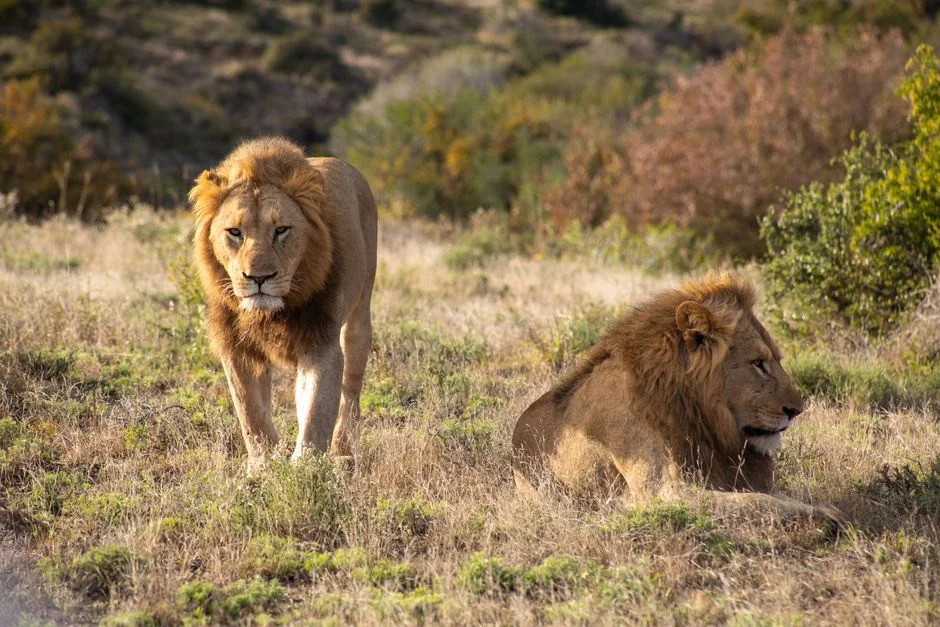
South Africa’s National Environmental Enforcement Agency (NEEA) has arrested 133 individuals for illegal hunting over the past six months, marking a significant escalation in efforts to combat poaching and wildlife crime. The crackdown, led by the NEEA and supported by the Department of Forestry, Fisheries and the Environment, has targeted illegal wildlife trade networks across key conservation areas, including Kruger National Park and the Eastern Cape. The operation has drawn attention from investors and businesses concerned about the long-term economic impact of environmental degradation and the sustainability of tourism.
Enforcement Intensifies Amid Conservation Pressures
The NEEA’s recent actions come as part of a broader strategy to protect South Africa’s rich biodiversity. The agency reported that 133 individuals were arrested in the first half of 2024, with over 500 wildlife-related cases investigated. These figures highlight a growing focus on enforcement, with the agency stating that it has increased patrols and deployed new technology to track illegal activities. The Eastern Cape and Limpopo provinces, home to some of the country’s most biodiverse regions, have seen the highest number of arrests.
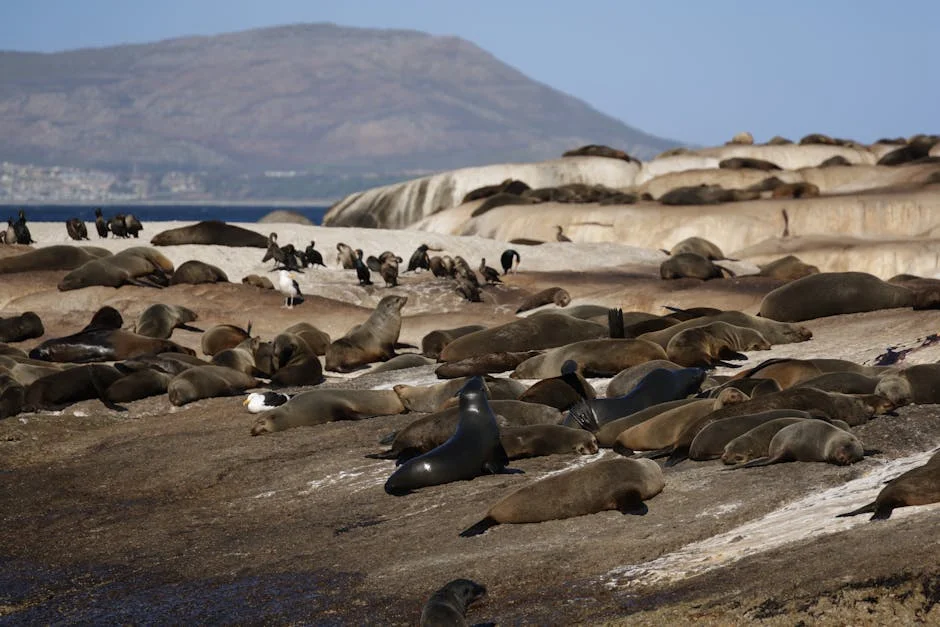
The enforcement efforts have been driven by a combination of domestic and international pressure. Conservation groups, including the World Wildlife Fund (WWF), have praised the initiative, citing a need for stronger action against poaching. However, some local communities have raised concerns about the impact of these operations on their livelihoods, particularly those who rely on traditional hunting practices. “We understand the need to protect wildlife, but we also need to ensure that local people are not unfairly targeted,” said Thandiwe Mkhize, a representative from a rural community in the Eastern Cape.
Market and Business Implications
The crackdown on illegal hunting has direct implications for South Africa’s tourism sector, which contributes over 9% to the country’s GDP. Ecotourism, a major component of the industry, depends on the preservation of wildlife and natural habitats. A decline in poaching activity could boost visitor numbers and revenue, particularly in national parks and private game reserves. However, the short-term disruption caused by enforcement operations may affect local businesses, including tour operators and lodges.
Investors in the conservation and tourism sectors are closely monitoring the situation. The South African Tourism Board has stated that the government’s efforts to curb wildlife crime will be a key factor in attracting foreign investment. “A stable and secure environment for wildlife is essential for the long-term growth of our tourism industry,” said Sipho Mthethwa, a spokesperson for the board. The NEEA’s success in reducing illegal hunting could also improve the country’s standing in global conservation rankings, potentially opening up new funding opportunities from international donors.
Investment and Economic Outlook


For investors, the crackdown signals a shift in government priorities, with environmental protection becoming a more prominent policy focus. This aligns with global trends toward sustainable investing, which has seen a rise in green bonds and eco-friendly business models. South Africa’s commitment to conservation could make it more attractive to impact investors seeking to support environmentally responsible projects.
However, the economic impact is not entirely positive. The increased regulatory burden on wildlife-related activities may deter some small-scale operators, particularly those who rely on informal hunting practices. The Department of Forestry, Fisheries and the Environment has acknowledged these concerns and is working on developing alternative livelihood programs for affected communities. “We need to balance enforcement with support for local people,” said Minister Lindiwe Sisulu, who oversees the department.
What Comes Next?
The NEEA has announced plans to expand its operations in the coming months, with a focus on cross-border wildlife crime and the illegal trade of animal products. The agency is also working with regional partners, including Zimbabwe and Botswana, to strengthen anti-poaching efforts. These collaborations could lead to more coordinated enforcement and better intelligence sharing.
Businesses in the tourism and conservation sectors are advised to monitor the situation closely, as policy changes and enforcement actions could affect their operations. Investors are also encouraged to stay informed about the government’s environmental policies, as these will likely shape the future of the sector. The next six months will be critical in determining whether the crackdown leads to long-term improvements in wildlife protection and economic stability.
See Also
- Nuno Pardal Ribeiro Faces Banking Decision: 250 Workers' Futures Hang in Balance
- Como Reveals Global Cost of Living Comparison — What It Means for South Africa
The South African Tourism Board has stated that the government’s efforts to curb wildlife crime will be a key factor in attracting foreign investment. This aligns with global trends toward sustainable investing, which has seen a rise in green bonds and eco-friendly business models.