South Africa’s weather department has issued fresh warnings of heavy rainfall across several provinces, raising concerns about agricultural output, infrastructure, and economic stability. The National Weather Service (NWS) reported that regions including KwaZulu-Natal, Mpumalanga, and Limpopo could face flooding and landslides over the next week. The forecast comes amid ongoing concerns about the country’s vulnerability to extreme weather events, which have increasingly disrupted economic activity.
Impact on Agriculture and Food Prices
South Africa’s agricultural sector, a key driver of the economy, is already under pressure. The Department of Agriculture, Forestry and Fisheries has warned that excessive rain could damage crops such as maize, wheat, and sunflowers, which are critical to both local consumption and exports. In KwaZulu-Natal, a major producer of sugarcane and citrus, farmers have begun preparing for potential crop losses. The province’s chief agricultural officer, Thandiwe Mkhize, said, “We’re closely monitoring the situation, but the risk of waterlogging and soil erosion is high.”
The potential disruption to farming could lead to higher food prices, especially for staples like maize, which is a key ingredient in many South African diets. The South African Reserve Bank has noted that weather-related shocks can have ripple effects on inflation, with food price volatility often spilling over into broader economic instability. A 10% rise in maize prices could push inflation above the central bank’s target range, according to preliminary economic models.
Infrastructure and Business Risks
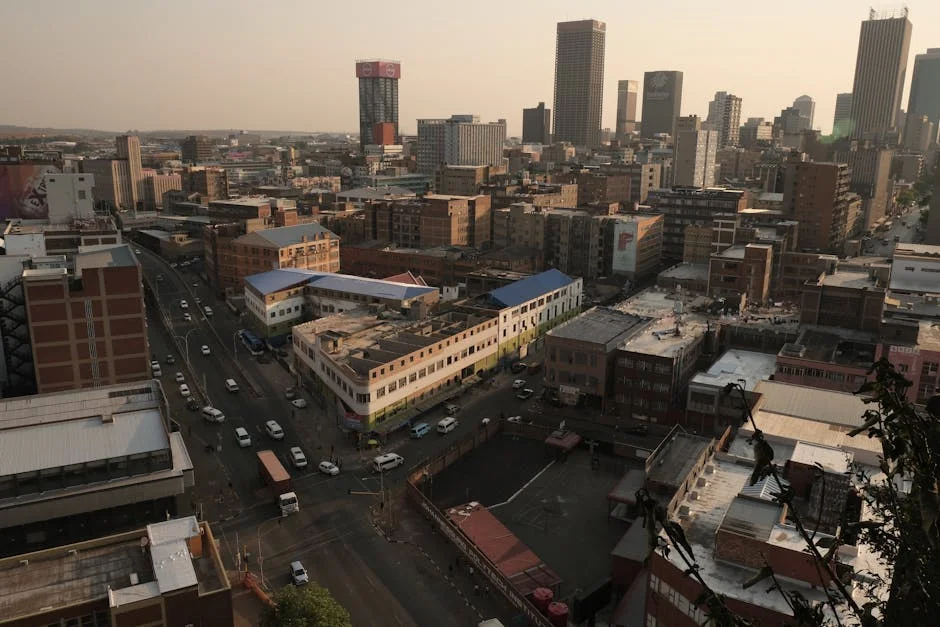
Heavy rain poses a serious threat to South Africa’s infrastructure, particularly in urban areas where drainage systems are already strained. In Johannesburg, the city’s public works department has begun clearing storm drains ahead of the expected downpours. The South African Transport and Logistics Association (SATLA) has expressed concerns that road networks could be disrupted, affecting the movement of goods and increasing supply chain costs. “If major routes are flooded, it could delay shipments and increase transport expenses for businesses,” said SATLA spokesperson Sipho Dlamini.
Investors are also watching the situation closely. The Johannesburg Stock Exchange (JSE) has seen increased volatility in recent weeks, with sectors such as agriculture, utilities, and construction facing heightened uncertainty. Analysts at Investec noted that weather events can lead to short-term market fluctuations, particularly in sectors reliant on stable weather conditions. “We’re seeing some investors hedging their bets, but long-term impacts will depend on how quickly the government can respond,” said Investec economist Thandiwe Mbeki.
Regional and Economic Implications


The weather warnings come at a time when South Africa is still recovering from a series of economic challenges, including power outages, inflation, and a slowdown in growth. The National Development Plan 2030 highlights the importance of climate resilience, but experts say implementation has been slow. The Department of Environment, Forestry and Fisheries has launched a new initiative to improve early warning systems, but many farmers and businesses are still unprepared for extreme weather events.
Regional trade could also be affected. South Africa is a major trading partner for several Southern African Development Community (SADC) countries, and disruptions in agricultural output could impact food security across the region. The Southern African Development Coordination Conference (SADCC) has called for coordinated disaster response plans to mitigate the effects of extreme weather.
Government Response and Preparedness
The South African government has announced emergency measures to address the potential impacts of the heavy rain. The Disaster Management Centre has deployed teams to high-risk areas, and the National Defence Force is on standby for possible rescue operations. In addition, the Department of Water and Sanitation has begun reinforcing flood barriers in vulnerable communities.
Despite these efforts, many residents and businesses remain concerned. In Durban, a local business owner, Linda Mkhize, said, “We’ve had floods before, but this feels more severe. We’re trying to prepare, but it’s hard to know what to expect.”
What to Watch Next
The next 72 hours will be critical in determining the full impact of the heavy rain. The NWS will issue updated forecasts every 12 hours, and local authorities will continue to monitor the situation. Investors and businesses should closely track weather developments and be prepared for potential disruptions. The government is also expected to announce further support measures for affected communities and sectors in the coming days.
As climate change continues to shape South Africa’s weather patterns, the need for long-term resilience strategies has never been more urgent. The coming weeks will test the country’s ability to respond to extreme weather events and protect its economic and agricultural stability.
Frequently Asked Questions
What is the latest news about south africa warns of heavy rain farmers and markets brace?
South Africa’s weather department has issued fresh warnings of heavy rainfall across several provinces, raising concerns about agricultural output, infrastructure, and economic stability.
Why does this matter for economy-business?
The forecast comes amid ongoing concerns about the country’s vulnerability to extreme weather events, which have increasingly disrupted economic activity.
What are the key facts about south africa warns of heavy rain farmers and markets brace?
The Department of Agriculture, Forestry and Fisheries has warned that excessive rain could damage crops such as maize, wheat, and sunflowers, which are critical to both local consumption and exports.