BlueSG, a Singapore-based car-sharing company, has launched its new Flexar service on April 15, offering a hybrid approach to mobility in the city-state. The service includes both electric and non-electric vehicles, marking a shift from the company’s previous all-electric model. This move comes as Singapore accelerates its efforts to reduce carbon emissions while balancing consumer demand for affordability and convenience.
Flexar's Hybrid Model and Market Strategy
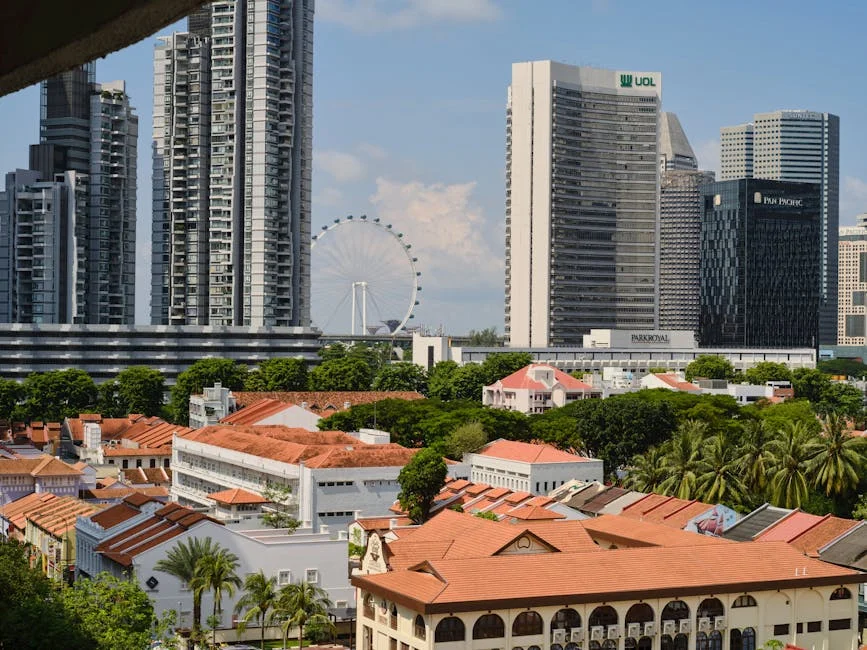
Flexar introduces a mixed fleet of 500 vehicles, with 30% being electric and 70% traditional combustion engines. The service is available in central Singapore, including key business districts like Marina Bay and Orchard Road. BlueSG’s decision to include non-electric cars aims to address concerns about range anxiety and charging infrastructure gaps, which have limited the adoption of fully electric car-sharing services.
The company’s CEO, Tan Wei Lin, stated that the new model is designed to cater to a broader customer base. “Flexar is a strategic response to the diverse needs of our users. While we remain committed to electrification, we must also provide practical solutions that meet current market demands,” he said. The service allows users to book vehicles for as little as an hour, with pricing starting at SGD 15 per hour for non-electric cars and SGD 20 for electric ones.
Economic and Market Implications
The launch of Flexar signals a nuanced approach to the transition toward sustainable mobility. While Singapore has set a target to phase out internal combustion engines by 2040, the current infrastructure and consumer habits require a more gradual shift. This hybrid model could influence other car-sharing providers across Southeast Asia, potentially altering the competitive landscape in the region.
Investors are closely watching the development, as BlueSG’s parent company, SMRT Corporation, is a major player in Singapore’s transport sector. The company reported a 12% increase in car-sharing revenue in 2023, indicating strong consumer interest. Analysts suggest that Flexar could further boost this growth by attracting users who are hesitant to commit to fully electric vehicles.
Business and Consumer Impact


For businesses, Flexar offers a flexible mobility solution that can reduce the need for private vehicle ownership. Startups and small enterprises, in particular, may benefit from the service by cutting down on transportation costs. However, the inclusion of non-electric vehicles may also raise concerns among environmentally conscious companies looking to align with corporate sustainability goals.
Consumers are divided. While some appreciate the flexibility and affordability, others argue that the hybrid model undermines Singapore’s long-term environmental objectives. “I want to support green initiatives, but I can’t afford to pay more for electric cars,” said Lim Jiun Hui, a regular car-sharing user. “Flexar gives me a middle ground.”
Investor Perspective and Future Outlook
Investors are cautiously optimistic about Flexar’s potential to expand BlueSG’s market share. The service is expected to generate an additional SGD 15 million in annual revenue, according to internal projections. However, the long-term success of Flexar will depend on how well it balances sustainability goals with economic viability.
Looking ahead, the company plans to expand Flexar to other areas of Singapore by the end of 2025. This expansion could put pressure on competitors to adapt their own strategies, potentially reshaping the car-sharing industry in the region. Investors will be watching for updates on fleet expansion, pricing adjustments, and any new sustainability initiatives.
What to Watch Next
By mid-2025, BlueSG will release its annual sustainability report, which is expected to include details on the environmental impact of Flexar. The report could influence policy decisions and investor confidence. Additionally, the Singapore Land Transport Authority (LTA) is expected to announce new regulations on car-sharing services in the coming months, which could further impact the market.
As Flexar gains traction, its success will serve as a case study for other cities looking to balance environmental goals with practical mobility solutions. The coming months will be crucial in determining whether this hybrid model can become a blueprint for sustainable urban transport.