Zambia has banned coal exports to address its worsening energy crisis, a move that could have far-reaching implications for the country’s development goals and regional stability. The decision, announced by President Hakainde Hichilema on 10 July 2024, aims to prioritise domestic power generation amid a 30% drop in hydroelectric output due to prolonged drought. The ban affects 1.2 million tonnes of coal annually, a key export that previously contributed 3% to the national budget. The move has sparked debate over the balance between short-term energy security and long-term economic growth.
Zambia’s Energy Crisis and Development Goals
Zambia’s energy shortfall has been escalating since 2022, with power outages now affecting 60% of the population, according to the Zambian Energy Regulatory Authority. The government has struggled to meet demand, with the country’s main hydroelectric dam, the Kariba, operating at just 45% capacity. This has forced industries to rely on expensive diesel generators, stifling economic activity. President Hichilema’s decision to halt coal exports reflects a shift in policy, prioritising local needs over export revenues. The move aligns with the African Union’s Agenda 2063, which calls for energy security as a cornerstone of sustainable development.
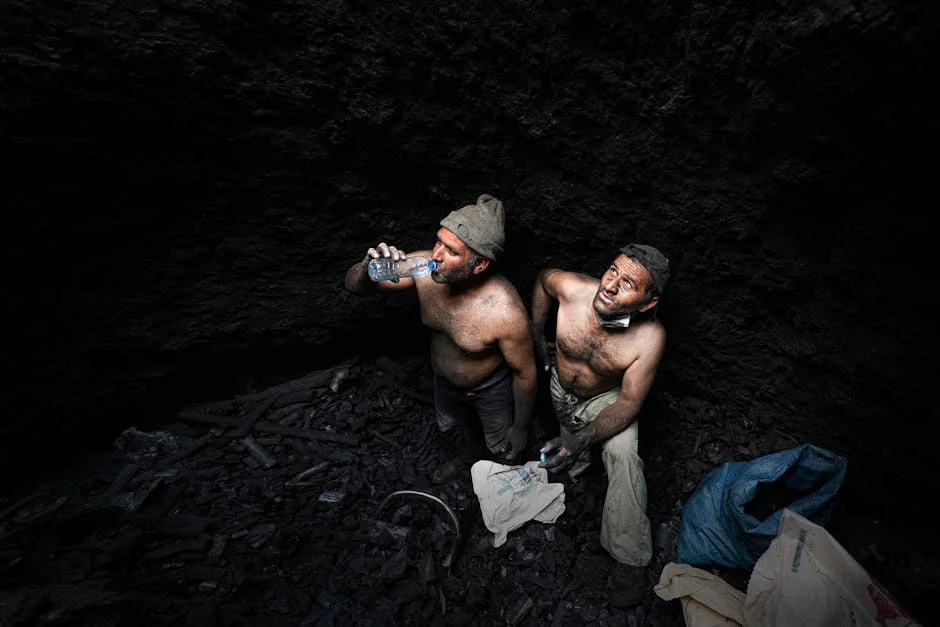
The ban has drawn mixed reactions. While local businesses and households welcome the move, international partners have raised concerns. The International Monetary Fund (IMF) warned that the policy could deter foreign investment, as coal remains a vital source of revenue for many African economies. However, the Zambian Ministry of Energy has argued that the decision is necessary to prevent a deeper crisis. “We cannot let our people suffer for the sake of short-term gains,” said Energy Minister Mumba Malila in a recent statement.
Regional Implications and Continental Challenges
Zambia’s coal exports mainly go to South Africa, where the energy sector is also under pressure. The Southern African Development Community (SADC) has expressed concern over the potential impact on regional energy trade. South Africa’s Eskom, which relies on imported coal, has already begun exploring alternative sources, including increased imports from the Democratic Republic of Congo. This shift could reshape regional energy dynamics, with implications for the African Development Bank’s efforts to promote cross-border energy projects.
The move also highlights the broader challenge of balancing energy needs with environmental concerns. Zambia, like many African countries, is vulnerable to climate change, with droughts and erratic rainfall threatening both agriculture and energy production. The government has pledged to invest in renewable energy, including solar and wind, but progress has been slow. “We need to transition to cleaner energy, but we can’t do it overnight,” said Dr. Chishala Mwale, a climate policy expert at the University of Zambia.
Impact on Economic Growth and Governance


The coal export ban has already begun to affect Zambia’s economy. The country’s trade deficit widened to $1.4 billion in the first quarter of 2024, according to the Bank of Zambia. The government has responded by negotiating new trade agreements with regional partners, including a deal with Tanzania to import coal for power generation. However, these measures are seen as temporary fixes rather than long-term solutions.
The crisis has also raised questions about governance and transparency. Critics argue that the government has failed to invest adequately in infrastructure and has been slow to address corruption. “The energy crisis is a symptom of deeper governance issues,” said civil society leader Nalumango Chisala. “Without accountability, we will continue to face these challenges.”
Education and Health Sectors at Risk
The energy crisis has had a direct impact on Zambia’s education and health systems. Schools in rural areas often lack electricity, limiting access to digital learning tools. Hospitals, particularly in the northern provinces, have faced power cuts that disrupt critical medical procedures. The Ministry of Health has reported a 20% increase in maternal mortality in areas with unreliable power supply.
In response, the government has launched a pilot programme to provide solar-powered electricity to 500 schools and 100 health centres by the end of 2024. While the initiative is a positive step, it remains to be seen whether it can address the scale of the problem. “We need more than pilot projects,” said Dr. Joyce Banda, a health policy analyst. “We need a comprehensive energy strategy that includes both short-term relief and long-term investment.”
Looking Ahead: What to Watch Next
Zambia’s energy crisis is far from resolved. The government has set a target to increase power generation by 50% by 2027, but this will require significant investment and international cooperation. The upcoming SADC energy summit in August 2024 will be a critical moment for regional leaders to address these challenges. Meanwhile, Zambians will be watching closely as the government tries to balance immediate needs with long-term development goals.