Singapore has rolled out a new integration programme aimed at helping new permanent residents (PRs) understand the city-state's culture, governance, and daily life. The initiative, launched by the Ministry of Home Affairs, combines in-person museum visits with online learning modules, offering a structured approach to cultural adaptation. The programme, which began in January 2024, targets over 10,000 new PRs annually, reflecting the country's growing diversity and its commitment to social cohesion.
Singapore’s Integration Programme Explained
The initiative, called “From,” is designed to ease the transition for newcomers by providing a comprehensive overview of Singapore’s values, history, and community expectations. The programme includes a visit to the Singapore History Museum, where participants engage with interactive exhibits on the nation’s journey from a colonial port to a global financial hub. Online modules cover topics such as civic responsibility, multilingualism, and the role of the government in daily life.
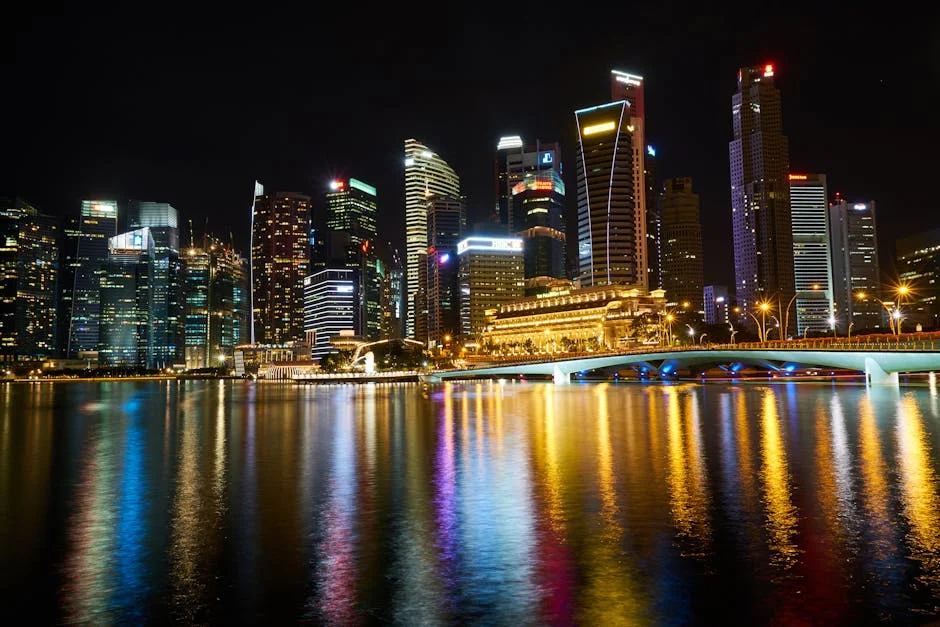
Minister for Home Affairs, Mr. K. Shanmugam, highlighted the importance of the programme, stating, “A strong sense of belonging is vital for social harmony. This initiative ensures that new residents are not only aware of Singapore’s laws but also its cultural fabric.” The programme is free for all new PRs, with an estimated 15,000 participants expected in the first year.
How the Programme Aligns with African Development Goals
While the initiative is specific to Singapore, its approach offers valuable insights for African countries striving to build inclusive societies. Many African nations are experiencing rapid urbanisation and an influx of migrants, requiring effective integration strategies. The Singapore model demonstrates how structured education can promote national identity and social cohesion, which are key to achieving Sustainable Development Goals (SDGs) such as reduced inequality and quality education.
African policymakers could draw lessons from Singapore’s emphasis on civic education and cultural awareness. For instance, South Africa, which has a complex history of racial and social division, could benefit from a similar initiative to foster unity among its diverse population. The programme’s blend of digital and physical learning could also be adapted to fit the unique challenges of African cities, where internet access and infrastructure vary widely.
The Role of Cultural Understanding in Economic Growth


Cultural integration is not just a social issue but also an economic one. A well-integrated population is more likely to contribute to productivity, innovation, and entrepreneurship. In Singapore, the programme helps new residents understand the business environment, legal framework, and social norms that underpin the city-state’s economic success. This understanding can translate into better workforce participation and long-term economic stability.
For African countries, where economic development is often hindered by social fragmentation, such programmes could be a game-changer. A 2023 report by the African Development Bank noted that social cohesion is a critical factor in attracting foreign investment and fostering sustainable growth. By investing in cultural integration, African nations could create a more unified and competitive workforce.
Challenges and Opportunities for Implementation
Implementing a similar programme in African countries would require careful planning. Infrastructure gaps, such as limited access to digital platforms and underdeveloped public institutions, could pose challenges. However, the success of Singapore’s approach shows that with the right strategies, these obstacles can be overcome.
South Africa, for example, has already taken steps to improve civic education through its Department of Basic Education. Expanding this to include cultural integration could help bridge the gap between different communities. The government could also partner with local NGOs and universities to create tailored modules that reflect the country’s unique history and diversity.
Examples from Other Regions
- Malaysia’s "MyKad" system integrates identity and civic education for new citizens.
- Canada’s "Civic Education Program" helps immigrants understand the country’s political and social systems.
- The United Arab Emirates has launched similar initiatives to promote national identity among its diverse population.
These examples show that cultural integration is a global challenge, and solutions can be adapted to local contexts. For African nations, the key will be to balance national identity with the recognition of diverse backgrounds, ensuring that integration does not come at the cost of cultural preservation.
What to Watch Next
The success of Singapore’s "From" programme will likely be closely monitored by other nations seeking to improve integration. In the coming months, the Ministry of Home Affairs plans to evaluate the programme’s impact through surveys and feedback from participants. African countries may also begin to explore similar initiatives, especially as they face growing demographic shifts and the need for inclusive policies.