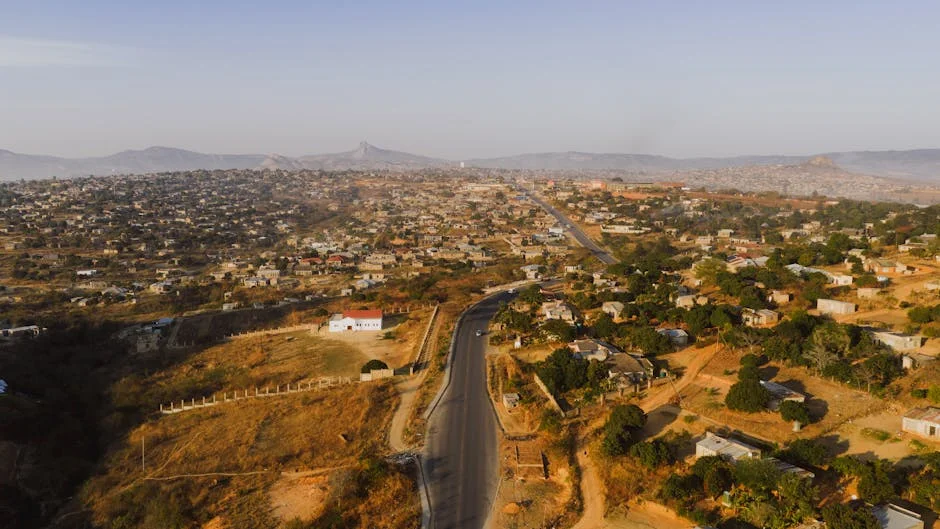
South Africa has signed a landmark trade and investment agreement with South Korea, marking a pivotal step in deepening economic ties between the two nations. The deal, announced on 15 May 2024, aims to boost tech collaboration, agricultural exports, and joint ventures in renewable energy. The agreement was finalised during a high-level summit in Pretoria, where South African President Cyril Ramaphosa and South Korean President Yoon Suk Yeol underscored the mutual benefits of the partnership. The deal is expected to create thousands of jobs and attract billions in foreign direct investment over the next decade.
Strengthening Economic Ties
The new trade deal includes provisions to reduce tariffs on agricultural goods, which could significantly benefit South African farmers exporting to the Korean market. South Korea, one of the world’s top 10 economies, has a growing demand for high-quality beef, fruits, and vegetables. The agreement also opens the door for South African tech startups to access the Korean market, which is a global leader in innovation and digital infrastructure.
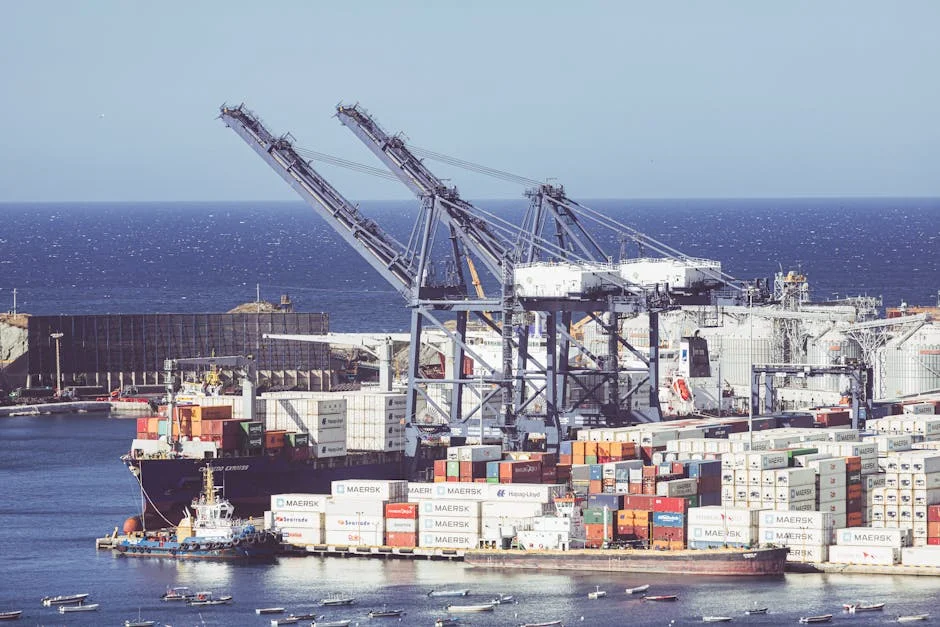
The collaboration extends to renewable energy, with both nations pledging to invest in solar and wind projects. South Africa’s Renewable Energy Independent Power Producer Procurement Programme (REIPPPP) has already attracted over R160 billion in private investment, and the new deal is expected to accelerate this trend. South Korean firms, including Samsung and SK Group, have expressed interest in partnering with local energy providers to expand clean energy access across the continent.
Implications for African Development
The agreement aligns with the African Union’s Agenda 2063, which prioritises economic integration, industrialisation, and sustainable development. By forging stronger links with South Korea, South Africa is positioning itself as a gateway for African businesses to access one of the world’s most dynamic markets. This could have a ripple effect across the continent, encouraging other African nations to pursue similar partnerships.
However, challenges remain. Critics argue that the deal must be carefully managed to ensure it benefits local industries rather than just foreign corporations. The South African Department of Trade, Industry, and Competition has pledged to monitor the impact of the agreement and ensure that small and medium enterprises (SMEs) are not left behind. “This is a win for South Africa, but we must ensure that the benefits are shared widely,” said Minister Ebrahim Patel.
Education and Knowledge Exchange

The agreement also includes a commitment to enhance educational and research collaboration. South African universities, including the University of Cape Town and Stellenbosch University, will partner with Korean institutions to develop joint programmes in engineering, artificial intelligence, and sustainable development. This exchange is expected to foster a new generation of African professionals equipped to tackle the continent’s development challenges.
A key component of the deal is the establishment of a South African-Korean Innovation Hub in Johannesburg. The hub will provide a platform for startups, researchers, and entrepreneurs to collaborate on technology-driven solutions. It is modelled on South Korea’s successful Silicon Valley-like ecosystem in Seoul and is expected to become a regional innovation centre.
Challenges and Opportunities
While the deal presents significant opportunities, it also raises questions about regulatory alignment and market competition. South Korean firms have a strong presence in the African market, with over $12 billion in investments across sectors like telecommunications and construction. Critics warn that without careful oversight, local businesses could struggle to compete.
The South African government has pledged to implement a robust regulatory framework to ensure fair competition. The National Treasury has also allocated R500 million to support local industries in adapting to the new trade dynamics. “This is not just about trade — it’s about building a sustainable future for South Africa and the continent,” said Finance Minister Enoch Godongwana.
Looking Ahead
The next phase of the agreement will involve the establishment of a joint committee to oversee implementation and address any challenges. The first official meeting is scheduled for September 2024, where both nations will review progress and set new targets. Meanwhile, South African businesses are being encouraged to engage with Korean partners through trade missions and investment forums.
As Africa continues to seek new pathways for growth, the South Africa-Korea deal highlights the potential of strategic partnerships. With the right policies and support, such collaborations could play a crucial role in achieving the continent’s development goals. What’s next will depend on how effectively both nations can turn this agreement into tangible progress for their people.