Kamala Harris, the first Black and South Asian American Vice President of the United States, has hinted at a potential 2028 presidential bid, raising questions about the future of US-Africa relations and the continent’s development priorities. Speaking during a campaign event in Washington, DC, Harris said, “I know what it requires,” when asked about the challenges of running for president. Her comments have sparked renewed interest in how a potential Harris administration might shape policies affecting Africa, particularly in areas like trade, climate, and foreign aid.
What Does Harris’ Potential Run Mean for Africa?
Harris’ remarks come at a time when Africa’s economic and political landscape is undergoing significant transformation. With the African Union’s Agenda 2063 aiming to boost intra-continental trade and industrialization, the role of global partners like the US is critical. Harris, who has been a vocal advocate for multilateralism and climate action, could influence how the US approaches its engagements with the continent.
Her potential run also raises questions about the US’s long-term strategy in Africa. In 2023, the US allocated over $1.2 billion in foreign aid to sub-Saharan Africa, with a focus on health, education, and security. If Harris were to lead the country, she might push for more targeted investments in infrastructure and technology, areas that remain underdeveloped across much of the continent.
Historical Context and Policy Priorities
Harris has previously championed policies that align with African development goals. During her time as a senator from California, she supported the African Growth and Opportunity Act (AGOA), which has helped boost trade between the US and 49 African countries. Her administration could build on this legacy by expanding access to markets and promoting sustainable economic growth.
The US-Africa Business Council, an organization that advocates for stronger economic ties, has noted that African nations are increasingly looking for partners that offer more than just aid. Harris’ potential leadership could signal a shift toward a more equitable and mutually beneficial relationship, especially as countries like Nigeria and Kenya seek to diversify their trade partners.
Challenges and Opportunities
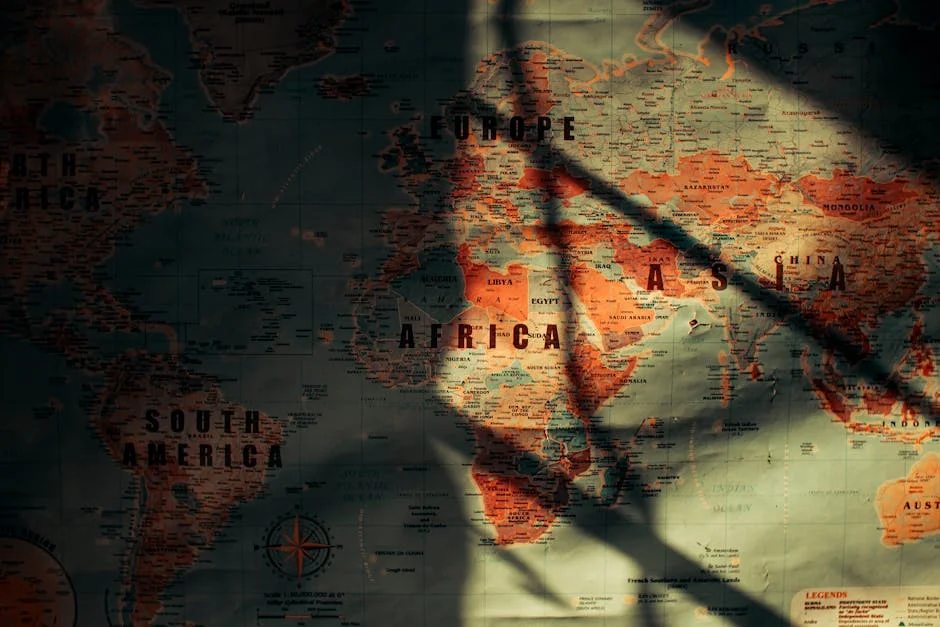

Despite the optimism, there are challenges. The US faces domestic political polarization, and global economic pressures could limit the resources available for foreign policy initiatives. Additionally, the rise of other global powers, such as China and the European Union, has shifted the balance of influence in Africa. Harris would need to navigate these dynamics carefully to ensure the US remains a key player in the region.
However, the opportunities are vast. Africa’s youth population is expected to reach 830 million by 2050, and investing in education and digital infrastructure could unlock significant economic potential. Harris has spoken about the importance of empowering young people, a stance that aligns with the goals of many African nations seeking to build resilient and innovative economies.
Climate and Security: Two Sides of the Same Coin
Climate change remains a pressing issue for many African countries, with droughts, floods, and desertification threatening food security and stability. Harris has emphasized the need for global cooperation on climate action, and a potential administration under her could prioritize funding for renewable energy and climate resilience projects in Africa.
Security is another area where US-Africa relations are vital. From counterterrorism in the Sahel to peacekeeping missions in the Horn of Africa, the US has played a significant role in maintaining stability. Harris’ approach to these issues could shape the future of US military and diplomatic engagement with the continent.
What to Watch Next
As Harris continues to explore her political future, African leaders and policymakers are closely watching her next moves. With the 2028 US presidential election just over five years away, the next few months will be critical in shaping the narrative around her potential candidacy. Meanwhile, African nations will be assessing how a Harris administration might align with their own development ambitions.