Lebanon’s capital, Beirut, is under siege as Israeli airstrikes continue, with Hezbollah confirming 300 fatalities following yesterday’s attacks. The strikes, reported by the Lebanese Ministry of Health, have intensified regional tensions and raised concerns over humanitarian fallout. The conflict, now in its third week, has displaced thousands and damaged critical infrastructure, including hospitals and power grids.
Escalating Violence and Humanitarian Crisis
Israeli forces carried out a series of air raids on Beirut’s southern suburbs, targeting what they described as Hezbollah military facilities. The Lebanese Red Cross reported that over 500 people were injured in the attacks, with emergency services overwhelmed. In a statement, the Lebanese government urged the UN to intervene, citing the risk of a larger regional war.
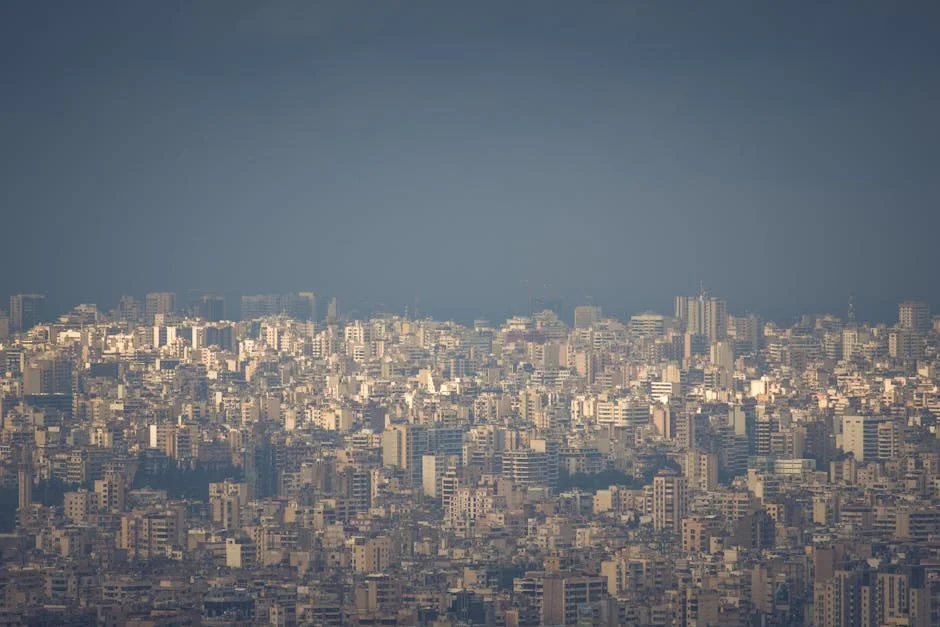
“This is not just a conflict between Israel and Hezbollah—it’s a war that threatens the entire region,” said Dr. Samir Al-Khatib, a political analyst based in Beirut. “The destruction of civilian infrastructure is a direct violation of international law.” The strikes have also disrupted the flow of aid, with the World Food Programme (WFP) warning of a potential food shortage in southern Lebanon.
Regional and Global Implications
The violence has sent shockwaves across the Middle East, with neighbouring countries like Syria and Iran condemning Israel’s actions. The conflict has also drawn attention from global powers, including the United States and the European Union, which have called for de-escalation. However, no immediate ceasefire has been announced, and the situation remains volatile.
For African nations, the conflict highlights the interconnectedness of global security and development. The African Union (AU) has expressed concern over the humanitarian impact and urged all parties to avoid civilian casualties. “This conflict could have ripple effects on regional stability, which is critical for African development goals,” said AU Commissioner for Political Affairs, Salmata Ndiaye.
Impact on African Diplomacy and Trade
While the conflict is primarily regional, its effects are being felt beyond the Middle East. South Africa, which has maintained a neutral stance in the conflict, has called for an independent investigation into the strikes. The South African government has also raised concerns about the potential for increased refugee flows to the continent, which could strain already fragile resources.
“African countries must be prepared to respond to any humanitarian crisis that arises from this conflict,” said Dr. Noma Dumezweni, a senior researcher at the African Institute for Economic Development and Planning (IDEP). “The AU must play a more active role in mediating such conflicts to protect regional stability.”
Looking Ahead: What to Watch
The next 48 hours will be critical in determining the trajectory of the conflict. The United Nations Security Council is set to meet on Thursday to discuss the situation, and the International Criminal Court (ICC) has been urged to investigate potential war crimes. Meanwhile, the Lebanese government has announced plans to seek reparations for the damage caused by the strikes.
For African development, the crisis serves as a stark reminder of the need for stronger regional cooperation and conflict prevention mechanisms. As the AU continues to push for greater unity, the situation in Lebanon underscores the importance of maintaining peace and stability across the continent.
Frequently Asked Questions
What is the latest news about israel launches airstrike on beirut as hezbollah claims 300 killed?
Lebanon’s capital, Beirut, is under siege as Israeli airstrikes continue, with Hezbollah confirming 300 fatalities following yesterday’s attacks.
Why does this matter for economy-business?
The conflict, now in its third week, has displaced thousands and damaged critical infrastructure, including hospitals and power grids.
What are the key facts about israel launches airstrike on beirut as hezbollah claims 300 killed?
The Lebanese Red Cross reported that over 500 people were injured in the attacks, with emergency services overwhelmed.