South Africa’s Department of Trade and Industry has initiated a review of shipping and packaging challenges faced by local exporters, as the ongoing Middle East crisis disrupts global trade routes. The move comes amid rising concerns over supply chain delays and increased costs for businesses reliant on international markets. The review, led by Trade Minister Ebrahim Patel, aims to identify immediate relief measures for affected industries.
Shipping Bottlenecks Threaten Export Growth
Exporters in Durban, South Africa’s main port city, have reported a 25% increase in shipping delays since the Middle East conflict escalated in early 2024. The Red Sea shipping lanes, a critical route for goods bound for Europe and Asia, have seen heightened security risks, leading to rerouting and extended transit times. These disruptions are hitting the agricultural and manufacturing sectors particularly hard.
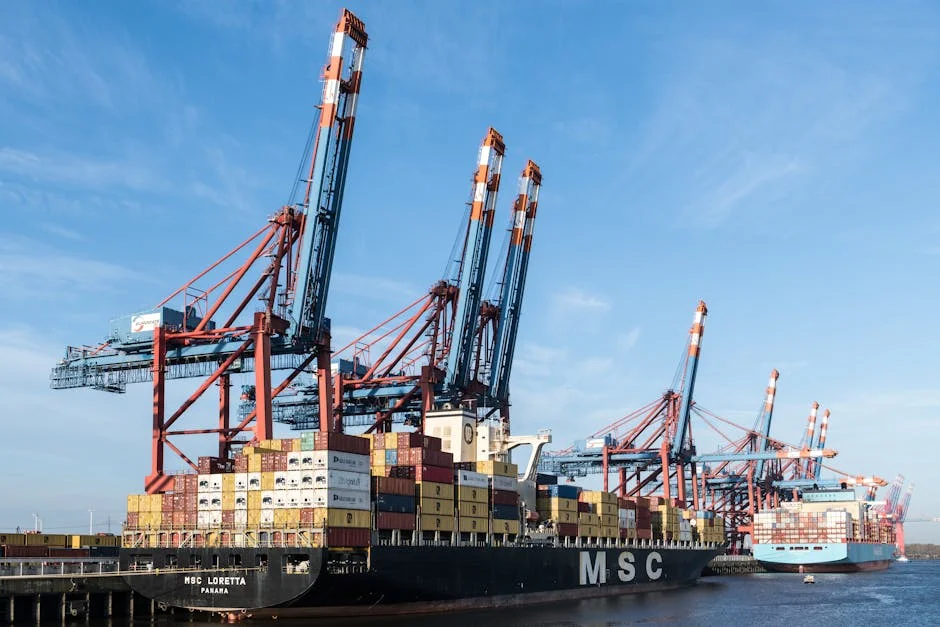
“The situation is unsustainable,” said Thandiwe Mbeki, a spokesperson for the South African Exporters Association. “Many companies are facing penalties for late deliveries, and the cost of shipping has surged by over 40% in some cases.” The government has acknowledged the strain on businesses and is exploring options such as subsidies for freight costs and faster customs processing.
Relief Measures Under Consideration
Minister Patel has confirmed that the government is evaluating short-term relief measures to ease the burden on exporters. These include potential tax deferrals, emergency funding for logistics companies, and partnerships with regional shipping firms to secure alternative routes. The Department of Trade and Industry has also called for a dialogue with private sector leaders to draft a comprehensive action plan.
“We are not just reacting to the crisis,” Patel said in a recent statement. “We are laying the groundwork for a more resilient trade system that can withstand future shocks.” The proposed measures are expected to be outlined in a policy brief due by the end of March, with implementation likely to begin in the second quarter of 2024.
Impact on African Development Goals


The Middle East crisis underscores the vulnerability of African economies to external shocks, particularly those dependent on global trade. South Africa’s export sector plays a key role in the country’s economic growth, contributing over 25% of GDP. The current challenges threaten progress toward the African Union’s Agenda 2063, which emphasizes economic integration and sustainable development.
“This is a wake-up call,” said Dr. Naledi Molefe, an economic analyst at the University of Cape Town. “Africa must invest more in regional trade corridors and diversify its export markets to reduce dependency on volatile global routes.” The government’s response will be closely watched as a test of its ability to balance short-term crisis management with long-term development planning.
Regional Trade and Infrastructure
Experts suggest that the crisis could accelerate efforts to boost regional trade within Africa. The African Continental Free Trade Area (AfCFTA), which came into force in 2023, offers an opportunity to reduce reliance on external markets. However, challenges such as poor infrastructure and bureaucratic hurdles remain.
“If we don’t act now, the Middle East crisis could set back years of progress,” said Dr. Molefe. “Investing in regional infrastructure and digital trade systems is not just a priority—it’s a necessity.”
What to Watch Next
The government is expected to announce its full relief package by mid-April, with a focus on immediate support for small and medium enterprises. Meanwhile, the African Union is holding a special session in April to discuss regional trade resilience. South African businesses will be closely monitoring these developments, as the outcome could determine their ability to recover from the current crisis.
As the situation evolves, the response of South Africa’s government will serve as a critical indicator of how African nations can adapt to global disruptions while advancing their development goals. The coming months will be pivotal in shaping the continent’s economic future.
Frequently Asked Questions
What is the latest news about south africa govt reviews shipping issues amid middle east tensions?
South Africa’s Department of Trade and Industry has initiated a review of shipping and packaging challenges faced by local exporters, as the ongoing Middle East crisis disrupts global trade routes.
Why does this matter for economy-business?
The review, led by Trade Minister Ebrahim Patel, aims to identify immediate relief measures for affected industries.
What are the key facts about south africa govt reviews shipping issues amid middle east tensions?
The Red Sea shipping lanes, a critical route for goods bound for Europe and Asia, have seen heightened security risks, leading to rerouting and extended transit times.