South Africa’s financial markets have shown signs of unease as global oil prices fluctuate ahead of US President Donald Trump’s deadline to re-impose sanctions on Iran. The uncertainty has sent ripples through the ZA (South African) economy, with investors closely watching how the situation will impact energy costs and inflation. The Dow Jones Industrial Average fell 1.2% on Monday, reflecting global market anxiety over the potential for a renewed conflict in the Middle East.
Global Markets React to Geopolitical Tensions
The volatility in oil prices has been driven by fears of a potential disruption in supply from the Persian Gulf. With the US threatening to withdraw from the Iran nuclear deal, markets are bracing for a possible escalation in tensions. This has led to a 6% rise in Brent crude prices in the past week, according to the International Energy Agency (IEA). For South Africa, where oil imports make up nearly 70% of the country’s energy needs, the impact could be significant.

The South African Reserve Bank (SARB) has warned that higher oil prices could push inflation above its target range of 3% to 6%. "If the situation escalates, we may have to revisit our monetary policy stance," said SARB Governor Lesetja Kganyago in a recent statement. This has raised concerns among economists about the potential for further interest rate hikes, which could slow economic growth.
Impact on South Africa's Development Goals
South Africa’s development agenda, outlined in its National Development Plan (NDP) 2030, aims to reduce poverty and inequality while boosting economic growth. However, the country’s reliance on imported oil makes it particularly vulnerable to global price shocks. The recent fluctuations in the Dow Jones Industrial Average, which has seen a 3.5% decline in the past month, highlight the interconnected nature of global and local economies.
Energy costs are a major component of the country’s trade balance, and a rise in oil prices could worsen the trade deficit. The Department of Trade and Industry has already warned that a 10% increase in oil prices could reduce GDP growth by 0.5 percentage points. This underscores the need for South Africa to diversify its energy sources and invest in renewable alternatives.
Renewable Energy as a Strategic Priority
Amid these challenges, the South African government has intensified its focus on renewable energy as a way to reduce dependence on volatile oil markets. The Renewable Energy Independent Power Producer Procurement Programme (REIPPPP) has been a key initiative, with over 6,000 megawatts of renewable capacity added since 2011. The programme has attracted significant foreign investment and has helped to stabilise energy costs in some regions.
However, experts argue that more needs to be done. "While the REIPPPP is a positive step, South Africa still relies too heavily on coal and imported oil," said Dr. Noma Dlamini, an energy economist at the University of Cape Town. "We need a more comprehensive energy strategy that includes long-term planning and public-private partnerships."
Regional Implications and Pan-African Opportunities

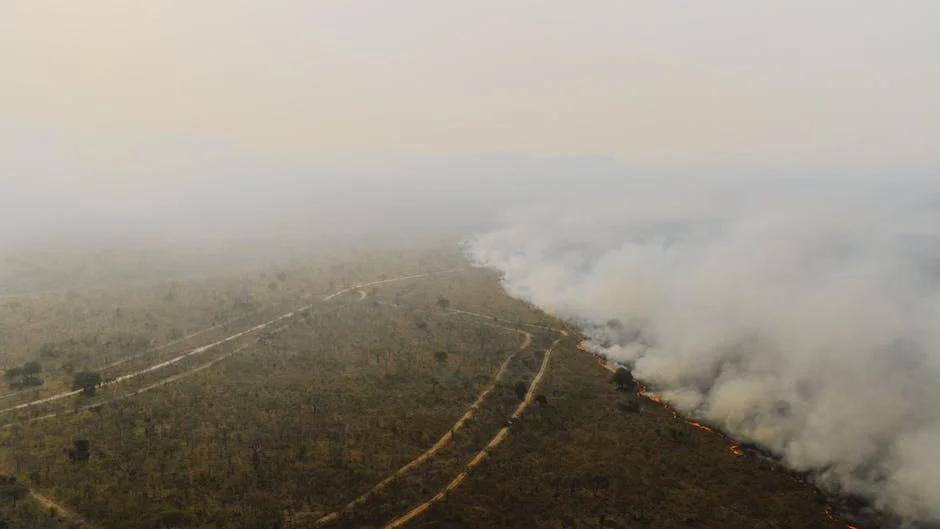
The impact of global oil price fluctuations extends beyond South Africa, affecting the entire African continent. Many African countries rely on oil imports, and a surge in prices could lead to inflation, reduced trade, and slower economic growth. This highlights the need for a more integrated approach to energy policy across the continent.
The African Union has called for greater regional cooperation on energy issues, with a focus on cross-border power projects and investment in sustainable energy. "Africa’s development depends on its ability to control its own energy destiny," said African Union Commission Chairperson Moussa Faki Mahamat. "We must work together to build resilient energy systems that can withstand global shocks."
What to Watch Next
The coming weeks will be critical as the US decides whether to reimpose sanctions on Iran. A decision by Trump to withdraw from the nuclear deal could trigger a sharp rise in oil prices, with potential knock-on effects for South Africa and other African nations. Investors and policymakers are closely monitoring the situation, with the next major test coming on 12 May, when the US is expected to announce its final decision.
For South Africa, the immediate priority is to manage inflation and stabilise the currency. The government has also announced plans to fast-track renewable energy projects, with a target of adding 10,000 megawatts of clean energy by 2030. As the global situation evolves, the country’s ability to adapt will be key to achieving its development goals.