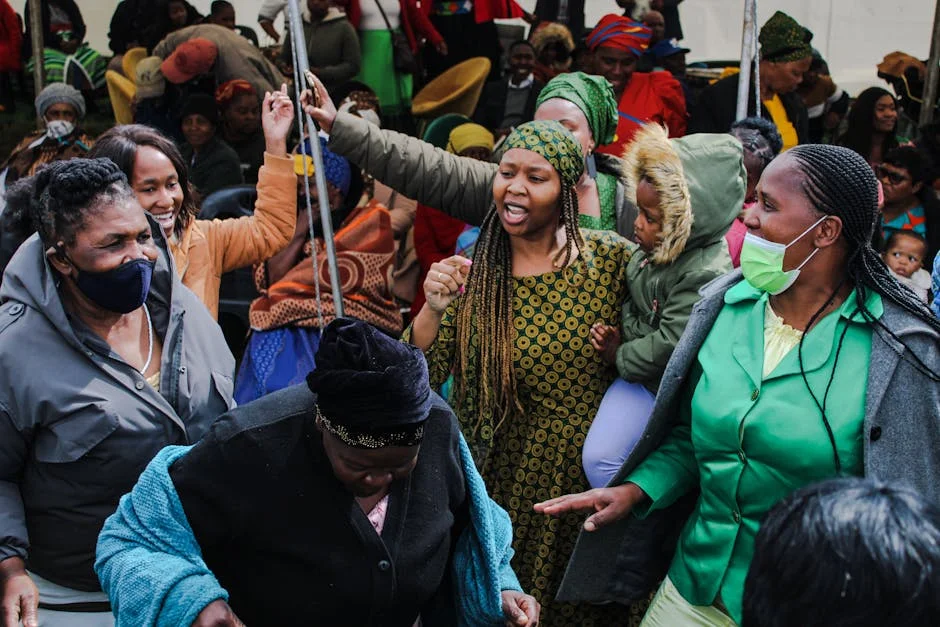
South Africa is paying tribute to Albert Mazibuko, the legendary voice of Ladysmith Black Mambazo, as the nation prepares for his funeral on 12 June in the KwaZulu-Natal province. Mazibuko, who joined the group in the 1980s, played a pivotal role in bringing South African music to global audiences, including a Grammy Award win in 1987 for Best Traditional World Music. His passing marks the end of an era for a group that has become a symbol of African cultural diplomacy.
Legacy of a Global Icon
Mazibuko’s voice was central to Ladysmith Black Mambazo’s success, helping the group become one of the most recognised names in African music. The ensemble, founded in 1960 in the small town of Ladysmith, KwaZulu-Natal, gained international fame after winning a Grammy in 1987 for their album “Graceland,” which featured a collaboration with American artist Paul Simon. The win not only elevated the group’s status but also brought global attention to South African music and its rich traditions.
The Grammy win was a turning point, opening doors for other African artists and reinforcing the role of music in cultural diplomacy. As the group’s lead vocalist, Mazibuko’s contributions were vital in preserving and promoting Zulu musical styles, which are rooted in the region’s deep cultural heritage. His passing leaves a void in a group that has not only shaped the African music scene but also influenced global perceptions of the continent.
Cultural Impact and Development
Ladysmith Black Mambazo’s global reach has had tangible benefits for South Africa’s cultural and economic development. The group has performed in over 50 countries, contributing to the nation’s soft power and helping to position South Africa as a hub for creative industries. Their success has inspired a new generation of musicians and has played a role in the growth of the country’s entertainment sector, which now contributes significantly to GDP.
According to the South African Department of Trade and Industry, the creative sector contributed 2.7% to the country’s GDP in 2022, up from 1.9% in 2015. The group’s achievements have been a key part of this growth, demonstrating how cultural exports can drive economic opportunities. Their story also highlights the importance of investing in local talent and infrastructure to support the creative industries.
Music as a Development Tool
Music, as exemplified by Ladysmith Black Mambazo, has been a powerful tool for development, especially in post-apartheid South Africa. It has been used to promote unity, education, and social cohesion. The group has collaborated with various NGOs and government initiatives to support youth development and cultural preservation. Their work underscores the role of the arts in addressing socio-economic challenges and fostering national identity.
Education initiatives led by the group have reached thousands of young people, particularly in rural areas. These programmes focus on music as a means of empowerment, teaching skills that can lead to future opportunities. As South Africa continues to grapple with high youth unemployment, such initiatives are critical in building a more inclusive economy.
Looking Ahead


The funeral of Albert Mazibuko is not just a moment of national mourning but also an opportunity to reflect on the lasting impact of his work. As South Africa continues to navigate its development challenges, the lessons from his career remain relevant. The country must invest more in cultural and creative industries to harness their potential for economic growth and social development.
With the upcoming Africa Cup of Nations and other cultural events on the horizon, the legacy of artists like Mazibuko will continue to influence the continent’s narrative. As the world remembers his contributions, South Africa must ensure that future generations have the support and opportunities to carry forward this cultural torch.