Pakistan’s military confirmed it carried out an airstrike on a suspected militant target in North Waziristan, but subsequent investigations by the International Committee of the Red Cross (ICRC) suggest the site was actually a rehabilitation centre for former combatants. The incident has raised serious concerns about civilian casualties and transparency in military operations. The strike occurred on 12 April, in a region already under heavy scrutiny for its role in regional instability.
Pakistan’s Military Confirms Airstrike on Suspected Target
The Pakistani army announced the operation via a press release, stating that the strike was aimed at disrupting militant networks operating in the tribal regions. A senior official from the Ministry of Defence, Brigadier Asif Khan, confirmed the attack, saying it was part of an ongoing effort to combat extremism. The military claimed the target was a hideout used by a banned militant group, the Tehrik-e-Taliban Pakistan (TTP).
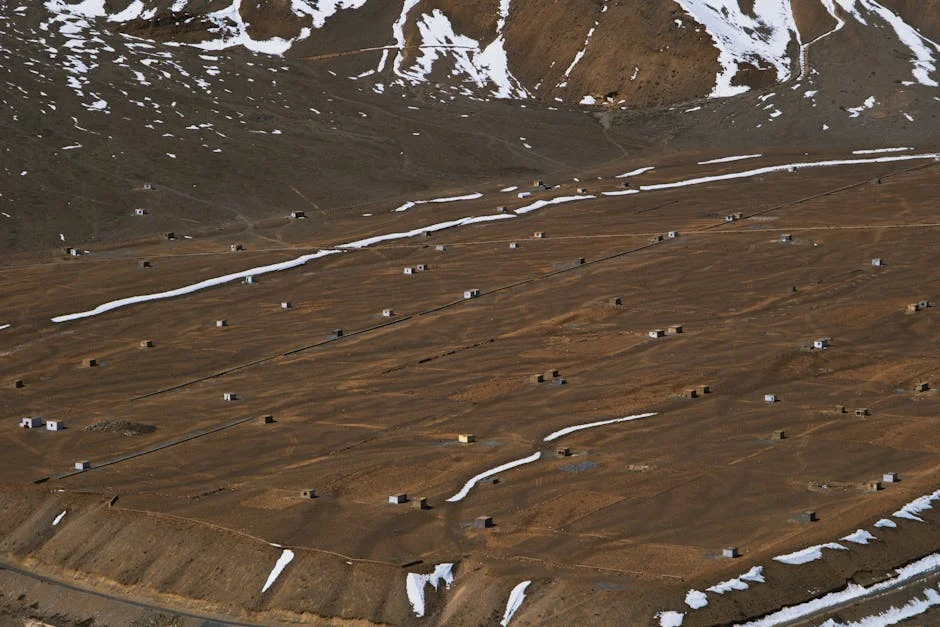
However, the ICRC, which has been monitoring the area, released a statement on 15 April indicating that the site was not a militant base but a facility supporting former militants in their reintegration into society. The report cited interviews with local residents and satellite imagery, which showed the structure had no signs of recent combat activity. The revelation has intensified calls for an independent inquiry into the incident.
Rehab Centre Claims Spark International Outcry
The claim that a rehabilitation centre was attacked has drawn sharp criticism from international human rights organisations. Amnesty International released a statement on 16 April, condemning the strike as a potential violation of international humanitarian law. “If the site was indeed a rehab centre, the attack could constitute a war crime,” the organisation said. The statement added that such incidents risk undermining efforts to reintegrate former combatants into civilian life.
Local residents in North Waziristan have also expressed shock and anger. “We were told it was a safe space for people trying to leave violence behind,” said Ayesha Gul, a community leader in the region. “Now we fear for our safety.” The incident has further strained relations between the government and tribal communities, who have long been wary of military interventions.
Implications for Regional Stability and Governance

The controversy highlights the broader challenges facing Pakistan’s security apparatus. The country has struggled with militant activity for decades, and military operations in tribal regions have often led to civilian casualties. This incident adds to a growing pattern of civilian harm, raising questions about the effectiveness of military strategies and the need for greater accountability.
The situation also has implications for African development goals, particularly in terms of conflict resolution and governance. As African nations work to build stable institutions and promote inclusive growth, the lessons from Pakistan underscore the importance of transparency and respect for human rights in security operations. A lack of accountability can erode public trust and hinder long-term development.
Rehabilitation vs. Militancy: A Tense Divide
The distinction between a military target and a rehabilitation centre is critical. While the government insists the site was used for militant activities, the ICRC’s findings suggest otherwise. This discrepancy highlights the need for clearer communication and verification processes before military strikes. Without such measures, the risk of civilian harm remains high, and public trust in security operations continues to erode.
Rehabilitation centres play a vital role in post-conflict recovery, offering former combatants a chance to reintegrate into society. Their destruction not only harms individuals but also undermines broader peace-building efforts. This incident serves as a stark reminder of the risks associated with military actions in complex, conflict-prone regions.
Next Steps and Regional Concerns
As the investigation continues, the international community is watching closely. The United Nations has called for an independent review of the incident, with a deadline set for 25 April. Meanwhile, local leaders in North Waziristan are demanding transparency and accountability from the government. The outcome of this inquiry could have far-reaching implications for how security operations are conducted in the region.
For African development, this incident serves as a cautionary tale. Effective governance and conflict resolution require a balance between security and human rights. As African nations navigate their own development challenges, the lessons from Pakistan’s experience highlight the importance of clear communication, accountability, and a commitment to protecting civilian lives.