Singapore, a global trade hub, faces mounting pressure as the Iran conflict escalates, disrupting regional supply chains and increasing geopolitical uncertainty. The Southeast Asian nation, known for its strategic location and economic stability, is navigating the fallout from tensions that have already sent oil prices surging to $112 a barrel. While the crisis poses challenges, Singapore’s proactive measures highlight its resilience and strategic importance in a volatile world.
Regional Trade Disruptions and Economic Pressures
The ongoing conflict between Iran and its regional adversaries has sent shockwaves through global markets, with Singapore at the epicentre of the ripple effects. The Strait of Hormuz, a critical shipping lane for 20% of the world’s oil, has become a flashpoint, raising fears of supply chain disruptions. Singapore’s Ministry of Trade and Industry reported a 12% increase in shipping costs for goods passing through the region in the past month, directly impacting local businesses and consumers.
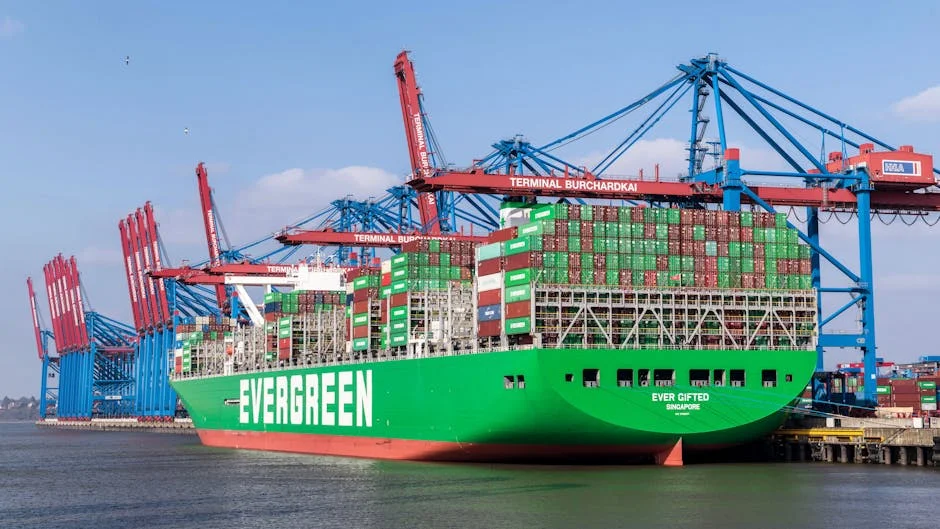
“The situation is extremely volatile,” said Dr. Tan Yee Wei, an economist at the National University of Singapore. “Singapore’s economy is highly dependent on global trade, and any instability in the Middle East has a direct impact on our ports and financial markets.” The city-state, which handles over 40% of global container traffic, is closely monitoring developments, with the Maritime and Port Authority issuing new safety protocols for vessels transiting the region.
Strategic Response and Economic Adaptation
Despite the challenges, Singapore has demonstrated a strong, coordinated response. The government has deployed additional naval assets to the Strait of Malacca and strengthened diplomatic ties with regional partners to ensure trade continuity. The Singapore Economic Development Board (EDB) has also launched a $500 million fund to support small and medium enterprises (SMEs) affected by the crisis, aiming to cushion the impact on local businesses.
“We are taking a multi-pronged approach,” said Minister for Trade and Industry Chan Chun Sing. “This includes enhancing our maritime security, supporting local industries, and engaging with international partners to maintain stability.” The move has been welcomed by business leaders, with the Singapore Business Federation noting that the city-state’s proactive stance has helped prevent a sharp economic downturn.
Implications for African Development and Global Trade

The crisis in Iran has broader implications for African development, particularly for countries reliant on global trade and energy imports. As a key player in the global supply chain, Singapore’s stability directly affects African economies that depend on its logistics and trade networks. The continent’s growing integration into global markets makes it vulnerable to regional conflicts that disrupt trade routes.
“African nations must look to Singapore’s model of resilience and strategic planning,” said Dr. Amina Juma, a development economist at the African Development Bank. “The ability to adapt quickly to external shocks is crucial for long-term economic growth.” With many African countries still grappling with infrastructure and governance challenges, Singapore’s response offers a blueprint for navigating global uncertainties.
Looking Ahead: What to Watch Next
As the situation in Iran evolves, Singapore’s role as a stabilizing force in the region will be closely watched. The next few months will be critical, with the International Energy Agency expected to release a report on global oil supply in early April. Meanwhile, the African Development Bank is set to hold a special session in May to discuss the impact of global trade disruptions on the continent’s growth targets.
For African nations, the crisis underscores the need for diversified trade routes and stronger regional cooperation. With Singapore serving as a model of resilience, the focus will be on how African countries can build similar capacities to weather global storms. The coming months will determine whether the continent can turn these challenges into opportunities for sustainable development.
Frequently Asked Questions
What is the latest news about iran war threatens singapores trade but resilience shines?
Singapore, a global trade hub, faces mounting pressure as the Iran conflict escalates, disrupting regional supply chains and increasing geopolitical uncertainty.
Why does this matter for politics-governance?
While the crisis poses challenges, Singapore’s proactive measures highlight its resilience and strategic importance in a volatile world.
What are the key facts about iran war threatens singapores trade but resilience shines?
The Strait of Hormuz, a critical shipping lane for 20% of the world’s oil, has become a flashpoint, raising fears of supply chain disruptions.