More than 70 migrants vanished after a boat capsized off the coast of Libya, according to the International Organization for Migration (IOM), as the tragedy underscores the growing humanitarian and security crisis in the region. The incident, which occurred near the port of Zuwara, has reignited debates over migration policies and the role of regional and international actors in addressing the flow of people from Africa to Europe.
Tragedy Unfolds in Libyan Waters
The boat, carrying an estimated 120 migrants, reportedly overturned during a storm on Friday. Survivors, who managed to reach the shore, reported that only 50 people were rescued, leaving 70 missing. The IOM confirmed the number of missing, highlighting the dangers faced by those attempting the perilous journey across the Mediterranean.
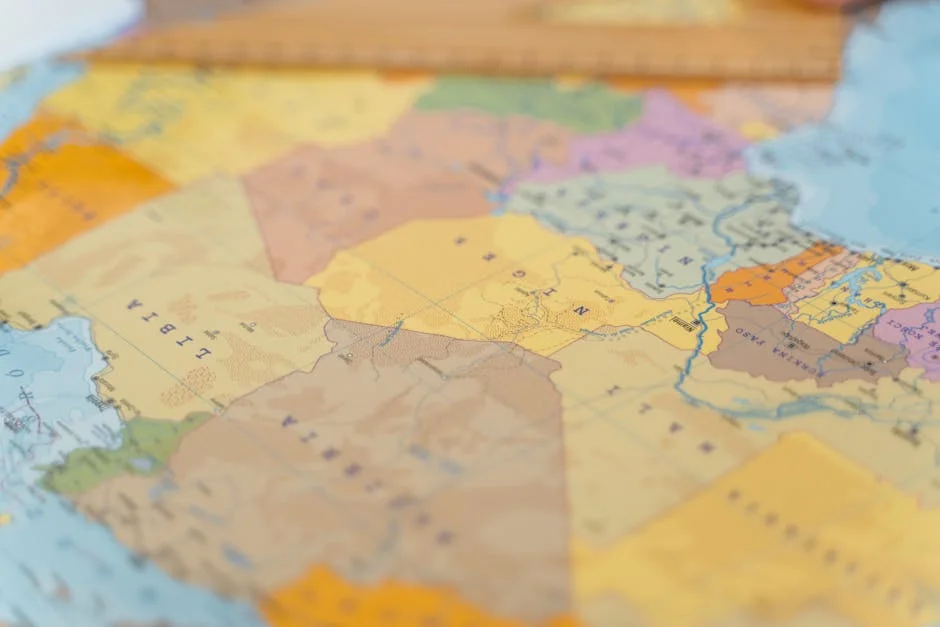
Libyan authorities have launched a search and rescue operation, but the vastness of the sea and limited resources have hampered efforts. The Zuwara coast, a known departure point for migrants, has seen a surge in crossings in recent months, driven by economic hardship and political instability in countries across the Sahel and Horn of Africa.
“This is a devastating loss of life and a stark reminder of the risks people take to escape poverty and conflict,” said IOM spokesperson Amina Jallow. “We urge all stakeholders to prioritize safe and legal migration pathways.”
Regional and Global Implications
The crisis in Libya has far-reaching consequences for African development. As one of the key transit points for migrants heading to Europe, the country’s instability fuels human trafficking and exploitation. The continent’s development goals, including the African Union’s Agenda 2063, emphasize the need for inclusive growth, job creation, and conflict resolution to reduce the push factors driving migration.
South Africa, as a regional leader, has been vocal about the need for a coordinated continental approach to migration. The country’s Department of Home Affairs has repeatedly called for stronger cooperation with North African nations to manage migration flows and protect vulnerable populations.
“Libya’s crisis is not just a local issue—it’s a continental challenge,” said South African Foreign Affairs Minister Naledi Pandor. “We must work together to find sustainable solutions that respect human dignity and promote development.”
Humanitarian and Economic Strains


The influx of migrants into Libya has placed immense pressure on the country’s already fragile infrastructure. Overburdened detention centres, lack of medical care, and limited access to clean water have created dire conditions for displaced people. The United Nations has warned that the humanitarian situation is deteriorating, with reports of abuse and forced labor in detention facilities.
Economically, the instability in Libya affects regional trade and investment. The country’s oil sector, a major revenue source, has been disrupted by ongoing conflicts, limiting its ability to invest in public services and development projects. This, in turn, exacerbates the cycle of poverty and migration.
“Libya’s problems are deeply intertwined with Africa’s broader development challenges,” said economist Dr. Mokhtar Elamin. “Without stability and investment, the continent will continue to lose its most vulnerable citizens.”
International Response and Future Steps
The European Union has pledged additional funding to support Libya’s coast guard and improve border management. However, critics argue that the focus remains on controlling migration rather than addressing the root causes. The EU’s new migration and asylum policy, set to take effect in 2025, includes measures to strengthen partnerships with African nations and invest in development programs.
Meanwhile, advocacy groups are calling for greater transparency and accountability in how migrants are treated. The African Union has also reiterated its commitment to a pan-African approach to migration, emphasizing the need for safe, orderly, and regular migration pathways.
As the search for the missing continues, the international community faces a critical test in its ability to respond to the growing migration crisis. The coming weeks will determine whether new policies and investments can prevent further tragedies and support the continent’s long-term development goals.
The next major development to watch is the upcoming African Union summit in July, where migration and security will be key agenda items. The decisions made there could shape the future of migration policy across the continent and influence how South Africa and other nations respond to the crisis.