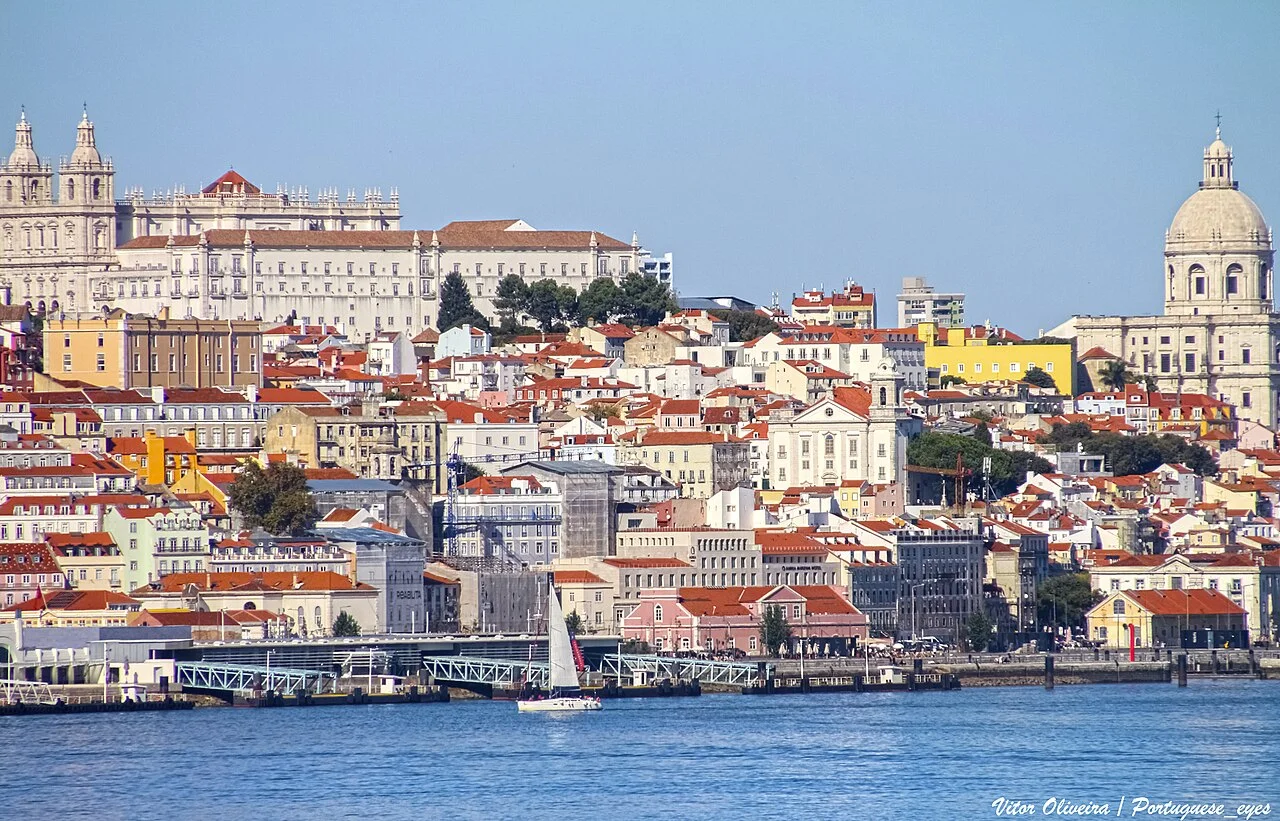
Azul, Brazil's largest low-cost airline, has suspended hundreds of flights across the country due to a severe fuel shortage, leaving thousands of passengers stranded and raising concerns over the country's energy infrastructure. The disruptions, which began earlier this week, have impacted domestic and regional routes, with the airline confirming that the issue is linked to a broader national supply chain crisis. The move has sparked debates about Brazil's energy security and its implications for economic growth and regional connectivity.
The fuel crisis comes as Brazil faces mounting pressure to address its reliance on imported petroleum products, which has been exacerbated by global market volatility and domestic production shortfalls. Azul's decision to halt flights has not only disrupted travel but also highlighted the fragility of the country's logistics network, a key component of its economic development strategy. For African nations striving to improve infrastructure and connectivity, the situation in Brazil serves as a cautionary tale about the risks of underinvesting in energy security.
Azul's Response to the Crisis
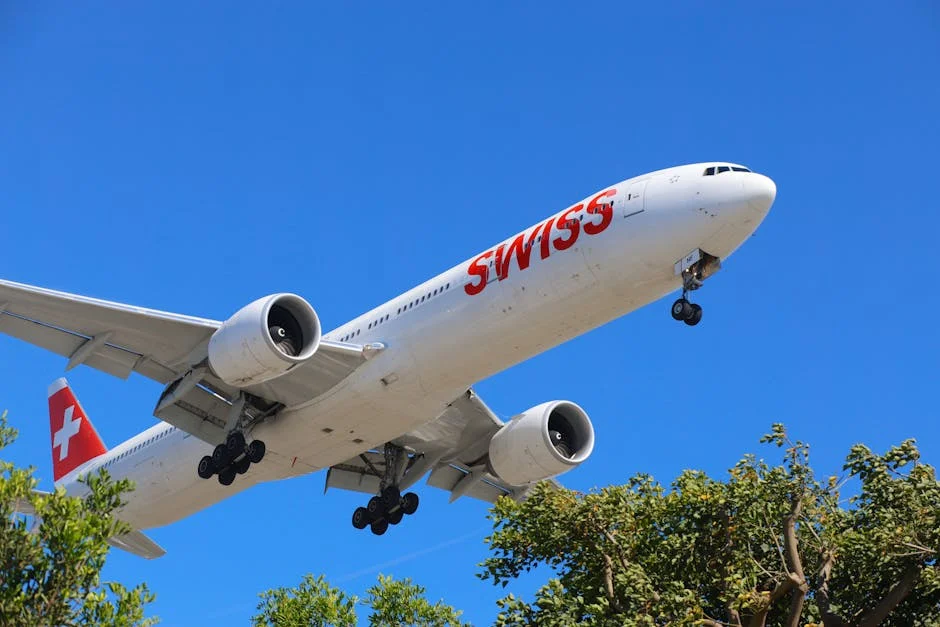
Azul has issued a statement confirming that the flight cancellations are a temporary measure while it works to secure alternative fuel supplies. The airline has also advised passengers to check their booking statuses and contact customer service for rebooking options. Despite these efforts, the disruptions have led to widespread frustration, with many travelers expressing concern over the lack of communication and support from the airline.
The airline's decision has also drawn criticism from business leaders and transport experts, who argue that the lack of a robust energy policy has left the country vulnerable to such shocks. "This is a wake-up call for Brazil to invest more in renewable energy and domestic fuel production," said Ana Maria Silva, an economist at the Brazilian Institute of Economics. "Without long-term planning, these disruptions will continue to plague the economy."
Impact on Brazilian Economy and Travel
The fuel shortage has had a ripple effect on Brazil's economy, with businesses reliant on air transport facing significant delays and increased costs. The tourism sector, in particular, has been hit hard, as international visitors face difficulties in accessing key destinations. This has raised concerns about the country's ability to attract foreign investment and maintain its position as a regional economic leader.
The situation also underscores the broader challenges facing emerging economies in balancing energy needs with environmental sustainability. As African nations seek to expand their infrastructure and boost economic growth, they must learn from Brazil's experience and prioritize the development of resilient, diversified energy systems.
Broader Implications for African Development


The crisis in Brazil highlights the importance of energy security in driving economic development. For African countries, which are still grappling with inadequate infrastructure and limited access to reliable power, the situation serves as a reminder of the need for strategic investment in energy production and distribution. The African Development Bank has repeatedly emphasized the role of energy in achieving the continent's development goals, including poverty reduction, job creation, and improved education and healthcare.
As African nations look to expand their economies, they must also consider the risks associated with over-reliance on any single energy source. Diversifying energy portfolios and investing in renewable technologies can help mitigate the impact of supply chain disruptions, ensuring more stable and sustainable growth. This lesson is particularly relevant for countries in the continent's energy sector, where infrastructure gaps continue to hinder progress.
What's Next for Azul and Brazil?
Azul has pledged to resume flights as soon as fuel supplies stabilize, but the timeline remains uncertain. The airline is also exploring alternative fuel sources, including biofuels, as part of its long-term strategy. Meanwhile, the Brazilian government is under pressure to address the root causes of the fuel shortage, including production bottlenecks and supply chain inefficiencies.
For now, the crisis serves as a stark reminder of the interdependence between energy security and economic stability. As African countries continue to pursue development goals, they must remain vigilant in addressing similar challenges and ensuring that their infrastructure is resilient enough to withstand future shocks.
Frequently Asked Questions
What is the latest news about azul halts flights amid fuel crisis passengers left in limbo?
Azul, Brazil's largest low-cost airline, has suspended hundreds of flights across the country due to a severe fuel shortage, leaving thousands of passengers stranded and raising concerns over the country's energy infrastructure.
Why does this matter for economy-business?
The move has sparked debates about Brazil's energy security and its implications for economic growth and regional connectivity.
What are the key facts about azul halts flights amid fuel crisis passengers left in limbo?
Azul's decision to halt flights has not only disrupted travel but also highlighted the fragility of the country's logistics network, a key component of its economic development strategy.