Iran's Foreign Minister Abbas Araghchi has rejected the United States' 15-point plan to end the ongoing conflict, stating there are "no grounds for negotiations." The announcement comes amid heightened tensions between Tehran and Washington, with the Iranian government asserting its stance on sovereignty and regional influence. The rejection marks a significant setback for diplomatic efforts to de-escalate the situation, raising concerns about the potential for further instability in the Middle East.
The US proposal, outlined in a recent diplomatic communication, aimed to address a range of issues, including Iran's nuclear programme, regional security, and the resumption of diplomatic relations. However, Araghchi dismissed the plan as insufficient and not aligned with Iran's national interests. "The US has not shown the necessary commitment to genuine dialogue," he said in a statement, highlighting Iran's position that any agreement must be based on mutual respect and equality.
Tehran News Today: A Firm Stance Against US Pressure

Iran's rejection of the US proposal has been widely covered in Tehran news today, with state media reinforcing the government's position that negotiations are not viable at this time. The Iranian leadership has consistently maintained that the US has failed to address key concerns, particularly regarding the lifting of sanctions and the restoration of economic ties. This stance reflects a broader pattern of resistance to Western influence, which has shaped Tehran politics update in recent years.
The current diplomatic impasse has implications beyond the Middle East. As African nations seek to enhance their strategic and economic partnerships, the unresolved tensions between Iran and the US could impact regional stability and trade routes. For instance, the Red Sea and the Gulf of Oman, critical for African shipping, remain vulnerable to geopolitical friction. African development goals, particularly those related to infrastructure and trade, depend on a stable and secure environment, making this issue relevant to the continent's long-term growth.
Washington Politics Update: A Diplomatic Deadlock
The Washington politics update reflects the US administration's frustration with Iran's intransigence. Despite diplomatic efforts, the White House has struggled to find a way forward, with officials acknowledging the challenges of engaging with a regime that has long viewed the US as an adversary. The rejection of the 15-point plan has led to renewed calls for a more robust approach, including increased sanctions or military posturing, though such steps risk further escalation.
Analysts suggest that the US may need to rethink its strategy, particularly in light of the broader geopolitical landscape. With global powers like China and Russia playing a more prominent role in the region, the US faces increasing pressure to balance its interests with those of its allies. This dynamic could have ripple effects on African development, as international partnerships and investments may shift in response to regional instability.
What Is Washington's Next Move?
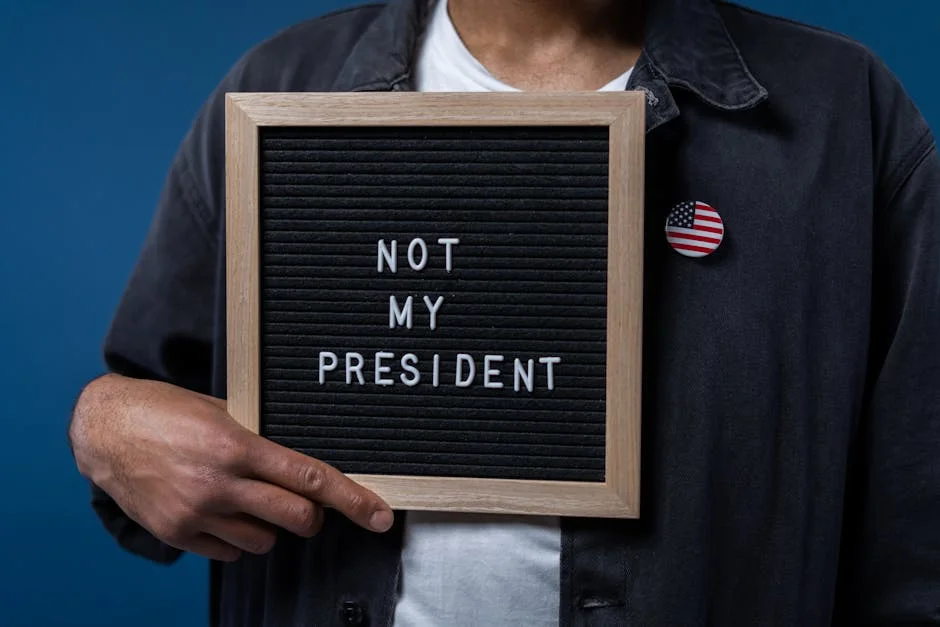

As Washington latest news continues to unfold, the US government is under pressure to respond to Iran's rejection. While some officials have called for a more assertive stance, others argue that further isolation of Iran could push the country closer to its regional allies, potentially worsening the situation. The administration is also considering how to engage with African nations, many of which are seeking to diversify their partnerships and reduce reliance on traditional Western powers.
The situation highlights the complex interplay between global diplomacy and African development. As African countries look to strengthen their economic ties and build resilient infrastructure, the stability of key trade routes and the security of international partnerships remain critical. The ongoing tensions between Iran and the US serve as a reminder of the broader challenges facing the continent as it strives for sustainable growth and regional cooperation.
What Is Tehran's Strategic Vision?
What is Tehran in the context of global politics? The Iranian capital remains a focal point of regional and international tensions, with its leadership pursuing a vision of self-reliance and resistance to foreign influence. This approach has led to a complex web of alliances and rivalries, with Iran playing a significant role in the Middle East and beyond. The rejection of the US plan underscores the country's determination to maintain its autonomy and challenge Western dominance in the region.
For African nations, the Iranian stance offers both challenges and opportunities. On one hand, the region's instability could hinder trade and investment. On the other, it creates space for African countries to explore new partnerships and diversify their diplomatic and economic relationships. As the world watches the evolving dynamics between Tehran and Washington, African leaders must remain vigilant and strategic in navigating the global landscape to ensure their development goals are not compromised.