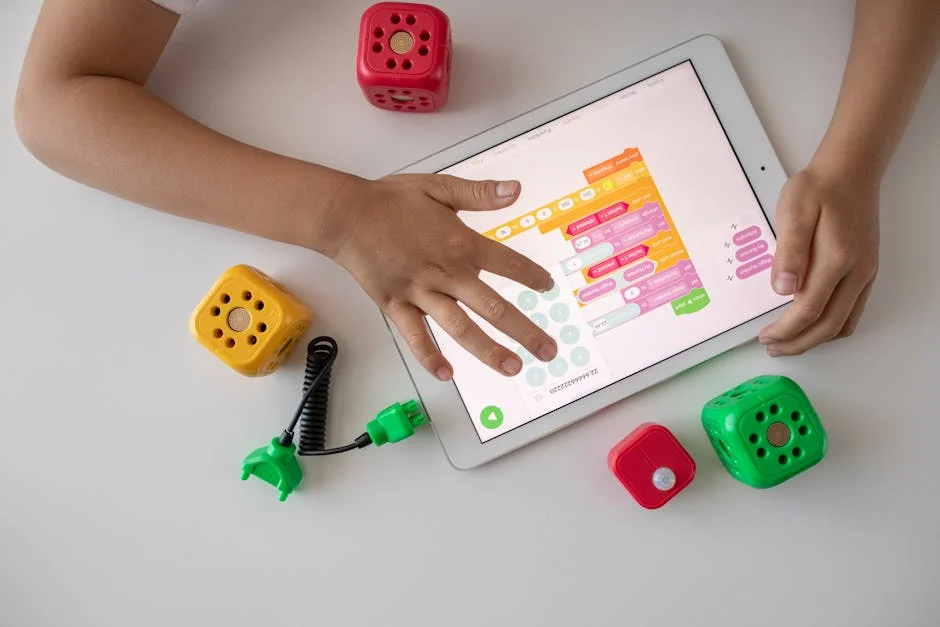
South African schools are facing a growing wave of resistance against the widespread adoption of Chromebooks, with educators and parents expressing concerns over the technology's impact on learning. The phenomenon, dubbed "Chromebook Remorse," has extended beyond the initial push to replace traditional textbooks with digital devices, raising questions about the effectiveness and accessibility of tech-driven education.
The issue has gained traction as some schools report that the transition to Chromebooks has created more challenges than solutions. While the government and private institutions promoted digital learning as a way to modernize education, many students and teachers are now questioning the long-term benefits of the shift. In some cases, the lack of reliable internet access and technical support has exacerbated inequalities in education, particularly in rural and underfunded areas.
Chromebook Remorse: A Growing Concern

Chromebook Remorse is not just a local issue but part of a broader global conversation about the role of technology in education. In South Africa, the push for digital learning has been driven by the need to align with the African Development Goals, which emphasize quality education and lifelong learning opportunities. However, the implementation has faced setbacks, with some schools struggling to maintain the devices and train staff to use them effectively.
Education officials in the Eastern Cape and KwaZulu-Natal have reported that a significant number of Chromebooks are either broken or unused, leading to frustration among teachers. "We were promised better access to resources, but the reality is that many students don't have the internet or the skills to use these devices," said a teacher at a secondary school in Durban.
The backlash has also sparked a debate about the sustainability of relying on technology for education. Some education experts argue that the focus should be on improving infrastructure and teacher training before expanding digital tools. "Technology is a tool, not a solution in itself," said Dr. Noma Mkhize, an education policy analyst. "Without the right support, it can create more barriers than it solves."
Impact on South Africa's Development Goals
The challenges surrounding Chromebook adoption highlight a key obstacle in achieving South Africa's education-related development goals. The country's National Development Plan 2030 aims to provide quality education for all, but the digital divide remains a major hurdle. With many schools in disadvantaged areas lacking basic resources, the introduction of Chromebooks without adequate support has widened the gap between students in urban and rural regions.
Furthermore, the tech backlash has raised concerns about the effectiveness of government-led education reforms. While the rollout of Chromebooks was intended to enhance learning outcomes, the current situation suggests that the implementation has not met expectations. This has led to calls for a more inclusive and phased approach to integrating technology into the classroom.
Education stakeholders are now urging the government to reassess its strategy and invest in both infrastructure and teacher training. "We need a more balanced approach that considers the realities of our schools," said a representative from the South African National Teachers' Union. "Tech can play a role, but it must be part of a broader plan, not a quick fix."
What's Next for South Africa's Digital Education?
As the debate over Chromebook Remorse continues, the government is under pressure to address the challenges and provide clearer guidance on the use of technology in schools. Some provinces are already exploring alternatives, such as hybrid learning models that combine digital and traditional methods. This approach could offer a more flexible solution that caters to the diverse needs of students across the country.
Meanwhile, civil society organizations are calling for greater transparency in how tech initiatives are implemented. They argue that involving teachers, parents, and students in the decision-making process could lead to more effective and sustainable outcomes. "We need to listen to those on the ground," said a representative from a local education NGO. "Their insights can help shape policies that truly support learning."
The situation also highlights the importance of digital literacy in South Africa. As the country moves toward a more tech-driven economy, ensuring that students are equipped with the necessary skills is critical. However, without proper support, the reliance on Chromebooks may not deliver the expected benefits, potentially undermining long-term development goals.
Looking Ahead: A Call for Balanced Innovation
The growing tech backlash in South African schools serves as a reminder that innovation must be inclusive and well-supported. While the integration of technology in education has the potential to transform learning, it must be accompanied by investment in infrastructure, training, and accessibility. Otherwise, the gap between privileged and underprivileged students may continue to widen.
For South Africa to achieve its education goals, a more measured and strategic approach is needed. This includes evaluating the effectiveness of current initiatives, addressing the digital divide, and ensuring that technology is used to enhance, rather than hinder, learning. As the conversation around Chromebook Remorse continues, the focus must remain on creating a fair and sustainable education system for all students.