South African students have launched a high-tech watch party to follow the National Aeronautics and Space Administration (Nasa) Artemis mission, aiming to inspire a new generation of scientists and engineers. The event, organized by a coalition of universities and tech hubs, coincides with the growing global interest in lunar exploration and the potential for space technology to drive development across the continent.
Students Turn to Nasa for Tech Inspiration
Students from institutions like the University of Cape Town and Stellenbosch University have come together to host a live-streamed event that will track Nasa’s Artemis mission, which aims to return humans to the Moon. The watch party includes interactive sessions, live Q&As with local aerospace engineers, and virtual tours of space research facilities. The initiative is part of a broader push to boost STEM (science, technology, engineering, and mathematics) education in South Africa, where access to advanced tech training remains uneven.
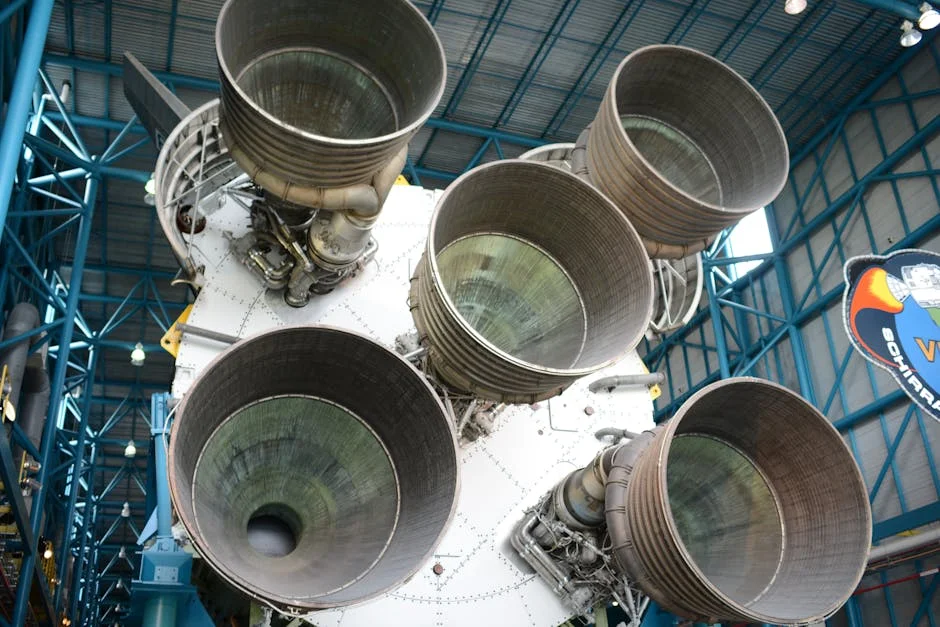
“This is more than just a space event — it's about showing young people that science and technology can shape their future,” said Sipho Mkhize, a student organizer. “Nasa’s work on the Moon is a gateway to innovation, and we want to make sure South African youth are part of that conversation.”
Why Nasa Matters for African Development
Nasa’s Artemis program is not just a milestone for space exploration — it has significant implications for Africa’s development goals. The Moon is increasingly seen as a testing ground for technologies that could support sustainable energy, climate monitoring, and digital infrastructure on Earth. For African countries, where energy poverty and digital divides remain pressing challenges, space technology offers a path to innovation and economic growth.
“Space science is a key driver of technological advancement,” said Dr. Thandiwe Mbeki, a space policy analyst based in Johannesburg. “By engaging with Nasa’s mission, African students are not only learning about the Moon but also about the tools and systems that can be adapted for local needs.”
Moon Developments and African Opportunities


The Moon is becoming a focal point for global space agencies and private companies, with plans to establish lunar bases and explore resource extraction. For Africa, this shift presents an opportunity to build its own space capabilities and participate in the emerging space economy. While the continent lags behind in space infrastructure, initiatives like the South African students’ watch party signal a growing interest in space science and its potential to fuel development.
“The Moon is no longer just a distant object — it’s a platform for innovation,” said Dr. Naledi Mokoena, a researcher at the South African Space Agency. “As we look to the future, it’s crucial that African nations position themselves to benefit from these advancements.”
What’s Next for South Africa’s Space Ambitions
As the Nasa Artemis mission progresses, the South African student initiative is expected to grow into a broader movement for space education and research. The event has already attracted attention from tech startups, government agencies, and international space organizations. With more young people showing interest in space science, the country may soon see a new wave of innovation and investment in aerospace technology.
“This is just the beginning,” said Mkhize. “We want to show that Africa can be a key player in the space age, not just a passive observer.”