On April 1, 2026, India's benchmark Nifty50 index opened above 22,800, while the BSE Sensex jumped over 1,600 points, driven by optimism that the US-Iran conflict might be de-escalating. The rally came as global markets reacted to diplomatic efforts to prevent a potential war in the Middle East, with investors betting on a more stable geopolitical climate. This movement has significant implications for African economies, particularly in terms of trade, investment, and commodity prices.
Market Surge Reflects Global Investor Confidence
The sharp rise in India’s stock markets was fueled by a mix of improved geopolitical sentiment and strong corporate earnings. Analysts noted that the easing of tensions between the US and Iran has led to a more favorable outlook for global trade, which in turn boosted investor confidence. This shift has had a ripple effect across emerging markets, including those in Africa, where many economies are closely tied to global financial flows.

“A more stable Middle East could mean lower oil prices, which would benefit African countries that are net oil importers,” said Dr. Amina Ndiaye, an economist at the African Development Bank. “This could ease inflationary pressures and free up resources for development initiatives.”
South Africa's Markets Watch the Global Shift
While the Indian markets surged, South Africa’s financial sector remained cautious. The JSE All Share Index saw a modest rise, but investors are closely monitoring the broader implications of the geopolitical developments. South Africa, as a key player in the African economy, is particularly sensitive to global market shifts, given its reliance on international trade and foreign investment.
“The Wednesday rally in India is a reminder of how interconnected global markets are,” said Thandiwe Mkhize, a financial analyst in Johannesburg. “If tensions in the Middle East ease, it could lead to a more stable economic environment for African countries, especially those with strong trade links to Asia.”
Implications for African Development Goals
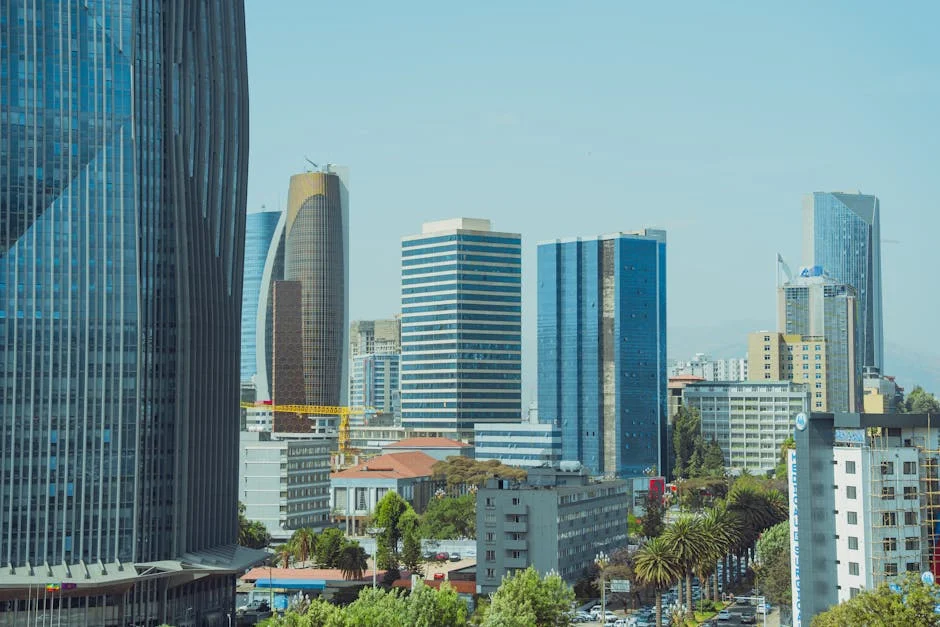

The current market movements highlight the importance of global stability for Africa’s development objectives. With the continent aiming to achieve the United Nations Sustainable Development Goals (SDGs), including poverty reduction, economic growth, and improved infrastructure, a stable international environment is crucial. A potential reduction in global tensions could lead to increased foreign direct investment and more predictable trade conditions.
“Adequate investment in infrastructure and education is key to Africa’s long-term growth,” said Professor Kwame Mensah, a development economist. “When global markets are stable, it becomes easier to attract the necessary funding for these priorities.”
What to Watch Next
As the week progresses, African markets will be closely watching the evolution of US-Iran relations and how this affects global commodity prices. A sustained decline in oil prices could provide a much-needed boost to African economies, particularly those that rely heavily on imports. Meanwhile, investors in South Africa and other African countries will be looking for signs of increased confidence in regional markets.
For now, the April developments in global markets serve as a reminder of the complex interplay between geopolitics and economic growth. As the continent continues to navigate its development path, the stability of the global economy will remain a critical factor in shaping its future.