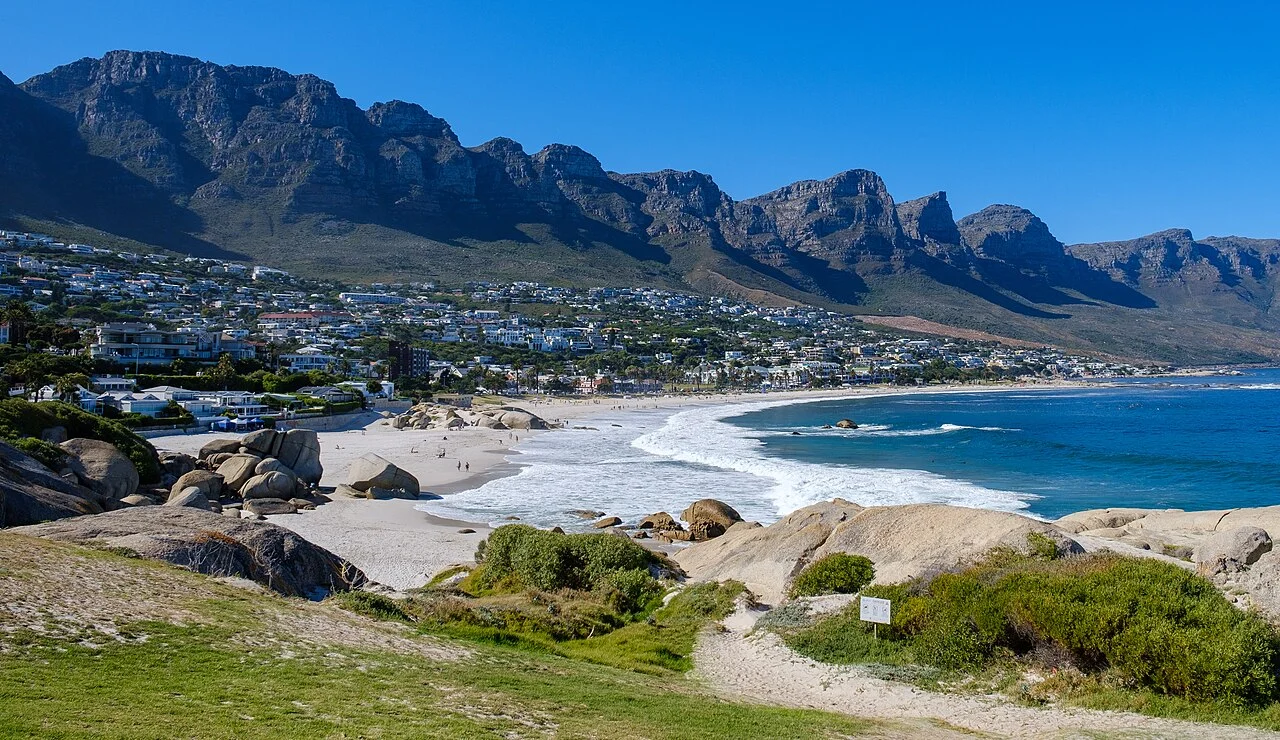
The Portuguese island of Madeira has issued a yellow weather alert due to strong winds, prompting local authorities to advise residents and tourists to take precautions. The warning, issued by the Institute of Meteorology, comes as a storm system moves into the region, with wind speeds expected to reach up to 70 km/h. The alert highlights the growing frequency of extreme weather events, raising concerns about the long-term impact on the island’s tourism-dependent economy.
The yellow alert, which is the second lowest of three weather warnings, signals that while the situation is not yet critical, it requires close monitoring. The Institute of Meteorology has warned that gusts could disrupt travel, particularly for those planning to visit the island’s popular hiking trails and coastal areas. This comes amid broader discussions about climate resilience in the Atlantic region, which has implications for island nations and coastal communities across the globe.
How Weather Patterns Affect Regional Stability

While Madeira is a Portuguese territory, its weather patterns are part of a larger climatic system that influences the Atlantic and, by extension, the African continent. Strong winds and storm activity in the region can affect shipping routes, trade, and even agricultural practices in nearby areas. For African nations with strong economic ties to Europe, such weather disruptions can have ripple effects on supply chains and investment flows.
South Africa, for instance, has long been linked to the Madeira region through tourism and trade. The island is a popular destination for South African travelers, and any disruption to its tourism sector could have economic consequences. Additionally, the region’s meteorological data is often used in climate models that inform weather forecasts across the continent, making it an important player in regional climate science.
Climate Resilience and Development Goals
The recent weather alert on Madeira underscores the growing need for climate resilience strategies across the African continent. As part of the United Nations Sustainable Development Goals (SDGs), particularly Goal 13 on climate action, African nations are increasingly focusing on adapting to extreme weather events. Madeira’s experience highlights the importance of early warning systems and infrastructure that can withstand severe weather.
For African countries, the lessons from Madeira’s weather challenges are twofold: first, the need for improved meteorological services to better predict and respond to climate events, and second, the importance of building resilient infrastructure to protect communities and economies. This aligns with broader continental initiatives, such as the African Climate Policy Centre’s work on climate adaptation and disaster risk reduction.
Atmosfera’s Role in Climate Monitoring

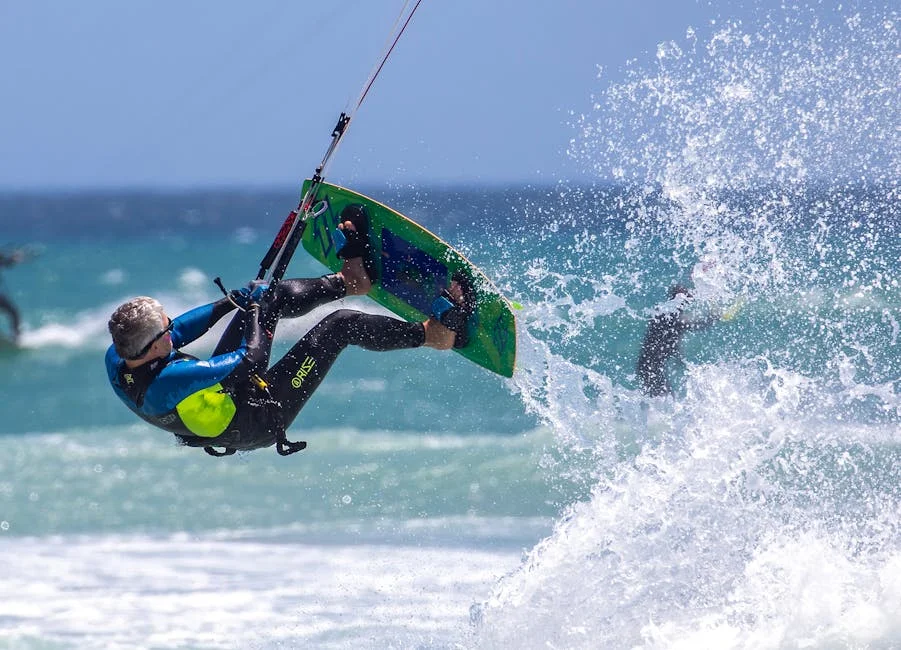
The Institute of Meteorology in Madeira, known as Atmosfera, plays a key role in monitoring weather patterns that affect the region. Its data is not only vital for local planning but also contributes to broader climate research. In South Africa, similar meteorological agencies are working to enhance their predictive capabilities, drawing on international collaborations and data-sharing agreements.
Recent updates from Atmosfera highlight the increasing frequency of extreme weather events, a trend that is also being observed across Africa. As climate change continues to impact global weather systems, the role of institutions like Atmosfera becomes even more critical. Their analysis provides valuable insights that can inform policy decisions and public awareness campaigns in South Africa and beyond.
What to Watch Next
As the storm moves through the region, local authorities will continue to monitor conditions and update the public accordingly. For South Africa, the situation serves as a reminder of the interconnected nature of climate and economic stability. The impact of such weather events on tourism, trade, and climate policy will be closely watched by policymakers and businesses alike.
Looking ahead, the Madeira weather alert is a microcosm of the challenges facing the African continent. As climate change accelerates, the need for proactive measures, international cooperation, and investment in climate resilience becomes more urgent. For African nations, the lessons from Madeira are clear: preparedness and adaptation are key to sustainable development in an increasingly unpredictable world.
Frequently Asked Questions
What is the latest news about madeira issues wind alert as storm threatens tourism?
The Portuguese island of Madeira has issued a yellow weather alert due to strong winds, prompting local authorities to advise residents and tourists to take precautions.
Why does this matter for economy-business?
The alert highlights the growing frequency of extreme weather events, raising concerns about the long-term impact on the island’s tourism-dependent economy.
What are the key facts about madeira issues wind alert as storm threatens tourism?
The Institute of Meteorology has warned that gusts could disrupt travel, particularly for those planning to visit the island’s popular hiking trails and coastal areas.