South Africa’s education system has once again come under scrutiny after a recent report revealed persistent failures in delivering quality education, particularly in under-resourced schools. The findings highlight a deepening crisis that threatens the country’s progress towards achieving the African Union’s Sustainable Development Goals (SDGs), especially those related to education and economic development. The report, published by the Department of Basic Education, underscores systemic issues including poor teacher training, outdated curricula, and a lack of infrastructure in rural and township schools.
Systemic Failures in the Education Sector
The latest data shows that over 60% of Grade 4 students in public schools in South Africa are unable to read for meaning, a statistic that has remained largely unchanged for over a decade. This stagnation is particularly concerning given the government’s commitment to the National Development Plan 2030, which aims to improve education outcomes and reduce inequality. The report attributes the slow progress to a combination of poor governance, underfunded schools, and a lack of accountability at both the provincial and national levels.

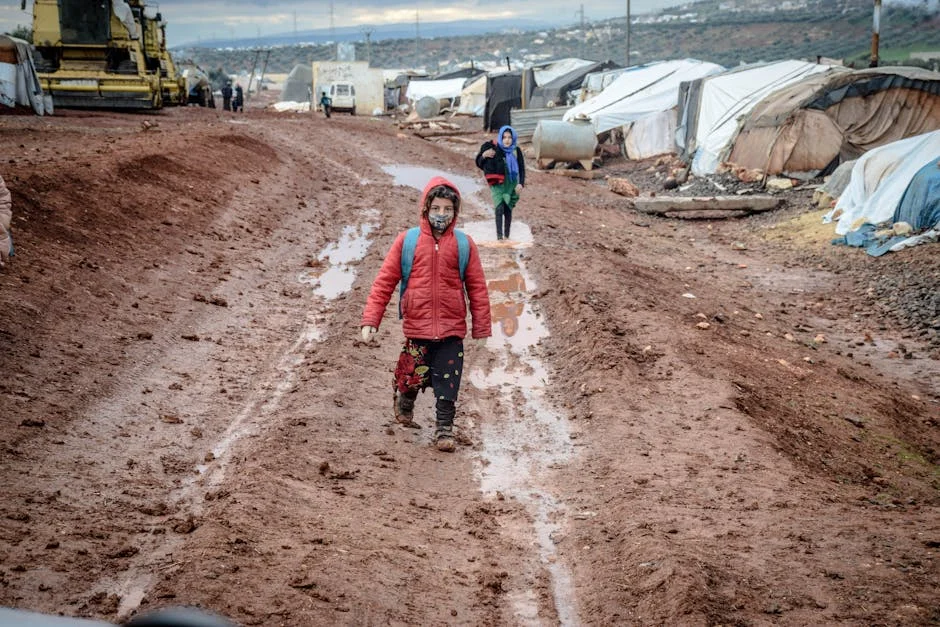
According to the report, many schools in provinces such as Limpopo and Mpumalanga lack basic facilities like electricity, water, and textbooks. In some cases, students are taught in overcrowded classrooms with only one teacher for over 50 pupils. These conditions are not only detrimental to learning but also reflect a broader failure in governance that undermines the country’s development goals. The lack of investment in education has long-term implications for South Africa’s economic growth and social stability.
Impact on Economic and Social Development
The failure of the education system has far-reaching consequences for South Africa’s economy. A poorly educated workforce limits the country’s ability to compete in a global market and hampers efforts to attract foreign investment. The World Bank has repeatedly warned that South Africa’s high unemployment rate, particularly among youth, is closely linked to inadequate education and skills training. Without significant reforms, the country risks falling further behind its African peers in terms of development and innovation.
Education is also a key driver of social mobility. For many South African families, especially those in disadvantaged communities, access to quality education is the only pathway to a better life. However, the current system continues to fail these students, perpetuating cycles of poverty and inequality. This not only affects individual lives but also weakens the nation’s ability to achieve the African Union’s vision of a more equitable and prosperous continent.
Call for Immediate Action and Reform


Education experts and civil society organisations are calling for urgent reforms to address the systemic issues plaguing the sector. They argue that the government must prioritise education funding, improve teacher training, and implement more effective oversight mechanisms. Some have also suggested adopting technology-driven solutions to bridge the gap in access and quality, especially in remote areas.
The report has sparked renewed debate about the role of the state in ensuring educational equity. While the government has launched several initiatives to improve school infrastructure and teacher performance, many believe these efforts are not enough. Without a fundamental shift in policy and implementation, South Africa’s education system will continue to hinder the country’s progress towards its development goals and its broader pan-African aspirations.
What’s Next for South Africa’s Education System?
With the upcoming budget cycle, the pressure is on the government to allocate more resources to the education sector. Civil society groups are urging the Department of Basic Education to publish a detailed action plan outlining how it will address the challenges identified in the report. The public is also demanding greater transparency and accountability from officials, who have been accused of failing to act on previous warnings.
The situation in South Africa’s schools is a microcosm of the broader challenges facing the continent. Many African countries struggle with similar issues, from underfunded institutions to ineffective governance. However, the stakes are high for South Africa, which has the potential to be a leader in education reform if it takes the right steps. The coming months will be critical in determining whether the country can finally break the cycle of underperformance and invest in a brighter future for its children.
Frequently Asked Questions
What is the latest news about south africas education system fails again and students pay the price?
South Africa’s education system has once again come under scrutiny after a recent report revealed persistent failures in delivering quality education, particularly in under-resourced schools.
Why does this matter for economy-business?
The report, published by the Department of Basic Education, underscores systemic issues including poor teacher training, outdated curricula, and a lack of infrastructure in rural and township schools.
What are the key facts about south africas education system fails again and students pay the price?
This stagnation is particularly concerning given the government’s commitment to the National Development Plan 2030, which aims to improve education outcomes and reduce inequality.