South Africa has launched a groundbreaking pilot programme to provide lab-grown food to children in underserved communities, aiming to address the growing crisis of malnutrition. The initiative, supported by the Department of Health and local biotech firms, marks a significant step in leveraging innovation to meet the continent’s development goals. The project, which began in early 2024, targets children under five in rural areas where food insecurity remains a pressing challenge.
Lab-Grown Food Pilot Launches in Mpumalanga
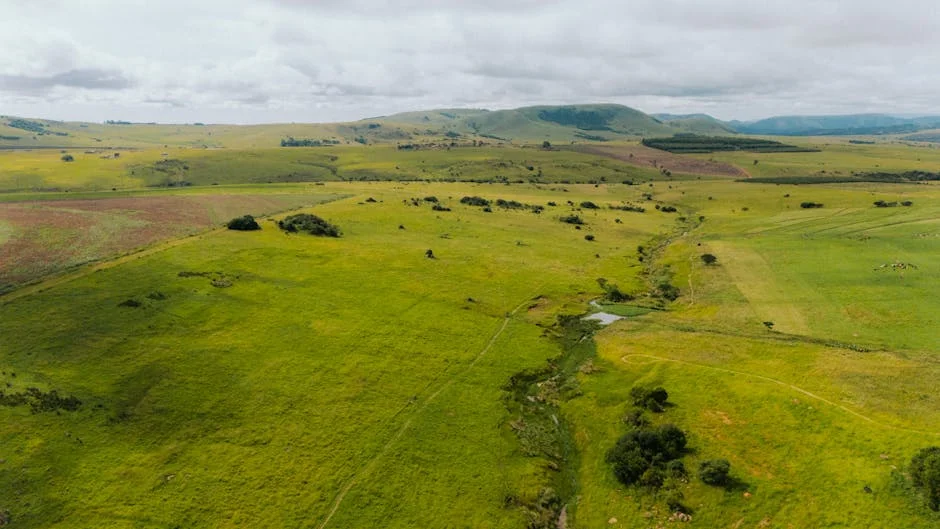
The pilot is being rolled out in Mpumalanga, one of South Africa’s most impoverished provinces, where nearly 40% of children suffer from stunted growth due to poor nutrition. The programme, developed in partnership with the National Biotechnology Development Agency, uses lab-grown protein derived from plant-based sources to create nutrient-dense meals. These meals are distributed through community health centres and schools, offering a sustainable alternative to traditional food aid.

Dr. Noma Dlamini, a lead scientist on the project, explained that the lab-grown food is designed to be rich in essential vitamins and minerals often lacking in local diets. “This is not just about filling stomachs,” she said. “It’s about building healthier futures for the next generation.” The initiative also aims to reduce the environmental impact of food production, aligning with global sustainability goals.
Context: Malnutrition and Food Insecurity in Africa
Malnutrition remains one of the most urgent challenges facing Africa, with the World Health Organisation estimating that over 25% of children under five are underweight. In South Africa, the situation is compounded by high unemployment, inequality, and the lingering effects of the COVID-19 pandemic. The country’s reliance on imported food and climate change-induced crop failures have further strained food security.
The lab-grown food initiative is part of a broader push to modernise agriculture and food systems across the continent. Similar projects are underway in Kenya and Nigeria, where researchers are exploring ways to use biotechnology to improve food production. However, challenges remain, including public acceptance, regulatory hurdles, and the high cost of scaling up such technologies.
Implications for African Development Goals


The pilot programme aligns with several of the United Nations’ Sustainable Development Goals (SDGs), particularly Goal 2—Zero Hunger—and Goal 3—Good Health and Wellbeing. By integrating science and technology into food systems, South Africa is demonstrating how innovation can play a crucial role in achieving development targets. The success of the programme could serve as a model for other African nations seeking to tackle similar challenges.
However, experts caution that lab-grown food alone cannot solve the complex issues of food security. “This is a promising start, but we need a comprehensive approach that includes improving farming practices, investing in infrastructure, and strengthening local food systems,” said Professor Sipho Mthembu, an agricultural economist at the University of Pretoria.
What’s Next for Lab-Grown Food in Africa?
The South African government has pledged to expand the pilot to additional provinces by 2025, pending successful results. The initiative also aims to collaborate with private sector partners to reduce costs and increase accessibility. Meanwhile, researchers are exploring ways to incorporate locally sourced ingredients into lab-grown food to ensure cultural relevance and affordability.
For now, the project remains a beacon of hope for communities struggling with hunger. As the country continues to navigate the challenges of development, the integration of science and policy offers a glimpse into the future of sustainable food systems on the continent.
Frequently Asked Questions
What is the latest news about south africa launches labgrown food pilot for children amid malnutrition crisis?
South Africa has launched a groundbreaking pilot programme to provide lab-grown food to children in underserved communities, aiming to address the growing crisis of malnutrition.
Why does this matter for economy-business?
The project, which began in early 2024, targets children under five in rural areas where food insecurity remains a pressing challenge.
What are the key facts about south africa launches labgrown food pilot for children amid malnutrition crisis?
The programme, developed in partnership with the National Biotechnology Development Agency, uses lab-grown protein derived from plant-based sources to create nutrient-dense meals.