The Western Cape High Court has ruled to halt a controversial coastal development project on the West Coast of South Africa, citing insufficient environmental safeguards. The decision, handed down on Monday, has sparked debate over the balance between economic growth and environmental preservation in the region.
The project, which aimed to expand industrial and tourism infrastructure along the West Coast, faced fierce opposition from environmental groups and local communities. The court found that the environmental impact assessments were incomplete and failed to consider long-term consequences for marine ecosystems and coastal biodiversity.
Environmental Justice and Development Tensions
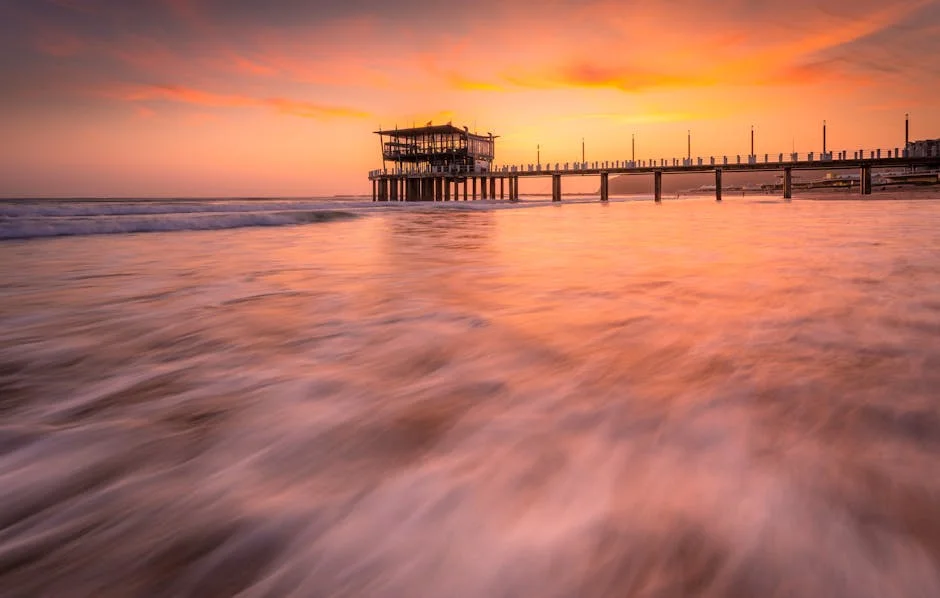
The case underscores the growing tension between economic development and environmental protection in South Africa. As part of the country’s broader goals to boost infrastructure and create jobs, large-scale projects often face scrutiny for their ecological footprint. The West Coast, known for its rich marine life and fragile ecosystems, is a focal point for such debates.
Environmental lawyers argue that the ruling sets a precedent for future projects, ensuring that ecological concerns are prioritized. “This decision reaffirms that development must not come at the cost of our natural heritage,” said Dr. Lusanda Mkhize, an environmental lawyer based in Cape Town. “It sends a clear message to developers that they must adhere to strict environmental standards.”
West Coast Impact on South Africa’s Development Goals
The West Coast region is a key area for South Africa’s economic ambitions, particularly in sectors like fishing, tourism, and renewable energy. However, the court’s intervention highlights the need for sustainable planning that aligns with the country’s broader development goals, including the United Nations Sustainable Development Goals (SDGs) related to life below water and responsible consumption.
The ruling also reflects the increasing role of the judiciary in environmental governance. South Africa’s Constitution explicitly recognizes the right to an environment that is not harmful to health or well-being, and courts are increasingly being called upon to enforce this right. This case could influence future legal battles over development projects across the continent.
Community Response and Future Implications


Local communities on the West Coast have long expressed concerns about the impact of large-scale developments on their livelihoods and environment. Many rely on fishing and eco-tourism, both of which could be threatened by industrial expansion. The court’s decision has been welcomed by residents who fear the loss of natural resources and cultural heritage.
While the suspension of the project is a victory for environmental advocates, it also raises questions about how to balance development with sustainability. “We need to find a way to grow the economy without destroying the environment,” said Mpho Khumalo, a community leader from the region. “This case is a reminder that we must be proactive in protecting our natural assets.”
Looking Ahead: What Comes Next?
The developers involved in the project have not yet commented on the court’s ruling, but they may appeal the decision. Meanwhile, environmental groups are pushing for a more comprehensive review of the project, including public consultations and independent environmental audits.
The outcome of this case could have wider implications for how development projects are assessed and approved across Africa. As countries seek to accelerate economic growth, the challenge remains how to do so without compromising the environment. The West Coast case is a pivotal moment in this ongoing dialogue.