Explore, a leading financial services provider in South Africa, has launched a new initiative to improve financial literacy among entrepreneurs and salaried employees. The campaign, which focuses on practical financial planning, aims to empower individuals to make informed decisions about their money, particularly in the context of South Africa’s current economic challenges.
The initiative comes amid rising inflation and uncertainty in the job market, making financial planning more critical than ever. Explore’s program includes workshops, online resources, and one-on-one consultations, targeting both small business owners and employees looking to secure their financial futures. The company emphasizes that financial literacy is a key driver of economic stability and growth, aligning with broader African development goals.
Why Financial Planning Matters for South Africa

Financial planning is not just about managing money—it's about building resilience. In South Africa, where unemployment remains a pressing issue and many households live paycheck to paycheck, the ability to plan for the future can make the difference between survival and prosperity. Explore’s new drive seeks to demystify financial concepts and provide actionable steps for individuals to take control of their financial health.
Experts argue that financial literacy is a cornerstone of economic empowerment. According to a recent report by the South African Reserve Bank, only 38% of South Africans have a basic understanding of personal finance. This gap in knowledge contributes to financial instability, limiting opportunities for growth and investment. Explore’s initiative aims to bridge this gap, particularly among underrepresented groups.
How This Aligns with African Development Goals
The United Nations’ Sustainable Development Goals (SDGs) emphasize the importance of financial inclusion and economic resilience. By promoting financial literacy, Explore is contributing to SDG 1 (No Poverty), SDG 8 (Decent Work and Economic Growth), and SDG 10 (Reduced Inequalities). These goals are especially relevant in Africa, where many countries face structural economic challenges and a need for sustainable development.
Financial planning also plays a crucial role in fostering entrepreneurship, a key driver of economic growth across the continent. In many African countries, small and medium enterprises (SMEs) account for a large portion of employment and GDP. By equipping entrepreneurs with the tools to manage finances effectively, initiatives like Explore’s can help reduce business failure rates and stimulate local economies.
What’s Next for Financial Literacy in South Africa

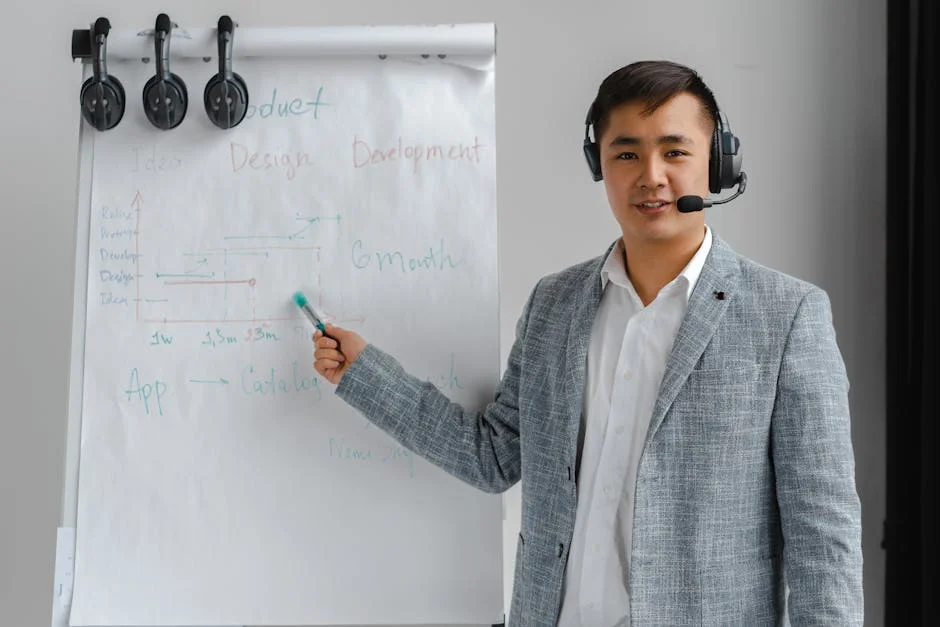
Explore’s program is set to roll out across major cities, with a focus on underprivileged communities. The company has partnered with local NGOs and government agencies to ensure the initiative reaches those who need it most. The goal is to create a long-term impact by embedding financial literacy into the national curriculum and workplace training programs.
As South Africa continues to grapple with economic challenges, the need for financial education has never been more urgent. Explore’s efforts reflect a growing recognition that financial empowerment is not just an individual responsibility but a national priority. The success of this initiative could serve as a model for other African countries looking to improve financial literacy and drive sustainable development.
Understanding the Impact on South Africa’s Economy
Financial literacy programs like Explore’s have the potential to transform South Africa’s economic landscape. By improving financial decision-making at the individual level, such initiatives can lead to increased savings, better investment choices, and a more stable financial system. This, in turn, can attract more foreign investment and support long-term economic growth.
The ripple effects of improved financial planning extend beyond individual households. A more financially literate population can contribute to a stronger, more resilient economy. As South Africa continues to navigate its economic challenges, programs like Explore’s offer a tangible step toward a more inclusive and sustainable future.