The Hungarian Minister has admitted to holding secret talks with Russian officials before and after recent European Union meetings, raising questions about the country's diplomatic strategy and its implications for African development and regional stability. The revelation comes amid growing tensions in Europe and highlights the complex interplay between EU policies and global powers, which directly affects African nations through trade, investment, and political alignment.
Ministro’s Secret Diplomacy Revealed
During a recent press briefing, the Hungarian Minister confirmed that discussions with Russian representatives took place both before and after key EU summits. The talks, which were not disclosed publicly, focused on energy cooperation and trade relations. The minister emphasized that these conversations were part of a broader strategy to ensure national interests, particularly in light of the energy crisis affecting the continent.
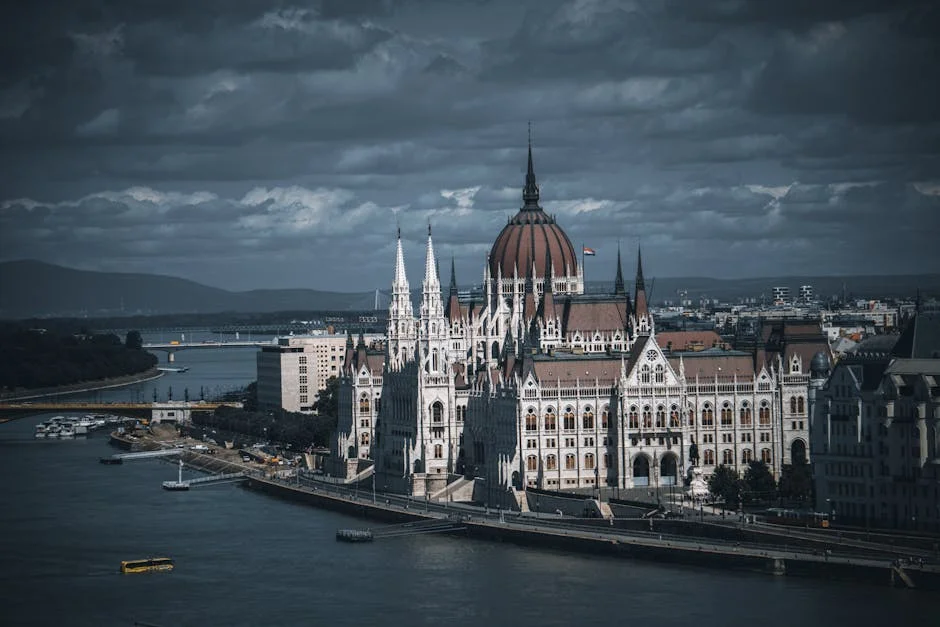
While the Hungarian government has not provided specific details on the content of the discussions, analysts suggest that the move could signal a shift in the country's stance towards Russia. This has raised concerns among EU members, who fear that such diplomacy might undermine collective efforts to isolate Russia over its actions in Ukraine.
Implications for European Union Dynamics
The Hungarian Minister's admission has sparked debate within the European Union about the balance between national sovereignty and collective decision-making. Critics argue that such unilateral diplomacy could weaken the EU’s unified front, particularly in areas such as sanctions against Russia and energy policy. This dynamic is particularly relevant for African nations, as the EU remains a major trade and investment partner.
For African countries, the EU’s internal divisions could influence the continent's access to European markets and development funding. A fragmented EU may struggle to present a coherent strategy for supporting African development, potentially affecting initiatives related to infrastructure, education, and economic growth.
South Africa’s Strategic Concerns

South Africa, as a key player in the African continent, has closely followed the developments in the European Union. The country's foreign policy is often shaped by its relationships with both the EU and Russia. The Hungarian Minister’s statements have prompted discussions among South African policymakers about how to navigate these shifting alliances without compromising the continent’s strategic interests.
Experts suggest that South Africa must maintain a balanced approach, engaging with both the EU and Russia while prioritizing its own development goals. This includes ensuring that African voices are heard in global discussions, particularly in areas that directly impact the continent’s growth and stability.
What to Watch Next
As the European Union continues to grapple with internal divisions, the role of individual member states in shaping foreign policy will remain a critical issue. The Hungarian Minister’s actions could set a precedent for other countries seeking to pursue independent diplomatic strategies. For African nations, the challenge lies in ensuring that their interests are not sidelined in these complex global dynamics.
Looking ahead, the EU's response to Hungary’s actions will be closely watched. If the EU fails to address these concerns, it may further erode trust among member states, complicating efforts to promote a unified approach to global challenges. African countries will need to remain vigilant, advocating for policies that support their development and regional integration.
Frequently Asked Questions
What is the latest news about hungarian minister admits talks with russians before and after eu meetings?
The Hungarian Minister has admitted to holding secret talks with Russian officials before and after recent European Union meetings, raising questions about the country's diplomatic strategy and its implications for African development and regional st
Why does this matter for economy-business?
Ministro’s Secret Diplomacy Revealed During a recent press briefing, the Hungarian Minister confirmed that discussions with Russian representatives took place both before and after key EU summits.
What are the key facts about hungarian minister admits talks with russians before and after eu meetings?
The minister emphasized that these conversations were part of a broader strategy to ensure national interests, particularly in light of the energy crisis affecting the continent.