Filipino domestic workers, often unseen and undervalued, took center stage in a series of public performances in Manila, drawing attention to their struggles and contributions to the economy. The event, organized by a coalition of labor rights groups, aimed to challenge the "invisible" status of domestic workers and push for better legal protections and social recognition. The performances, which included theatrical skits and spoken word poetry, highlighted the daily challenges faced by millions of Filipinos working in private homes, often without contracts or benefits.
Breaking the Silence: The Power of Performance
The event, titled "Invisible to Incandescent," was a bold move by domestic workers to transform their marginalization into a platform for advocacy. Participants shared personal stories of long hours, low pay, and lack of legal recourse, often in the presence of lawmakers and media. The performance was not just an artistic expression but a political act, demanding visibility and accountability. "We are not invisible," one worker said, "we are the backbone of many families, yet we are treated as if we don’t exist."

The initiative is part of a growing movement across the Philippines to recognize domestic workers as formal employees with rights. In 2019, the country passed a law to protect domestic workers, but implementation remains weak. The performances aim to pressure the government to enforce these laws and ensure that domestic workers are given the dignity they deserve. The event also sparked a national conversation about labor rights and the need for structural reforms to support informal workers.
Linking to African Development: Lessons from the Philippines
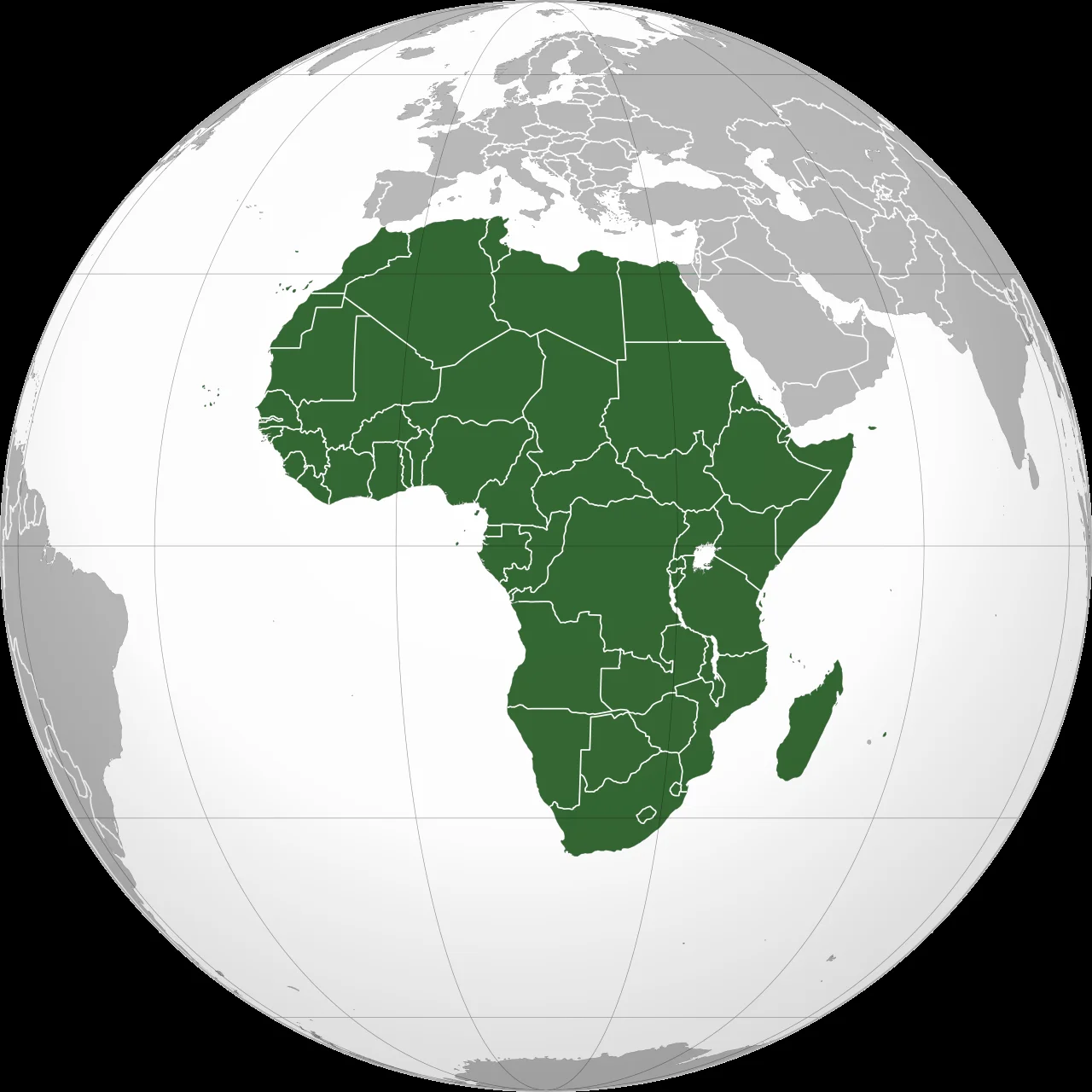
While the event is specific to the Philippines, it resonates with the broader African development agenda. Many African countries face similar challenges, with millions of workers in the informal sector—often women—working without legal protections or social security. The Filipino experience offers a model for how grassroots activism and public awareness can drive policy change. African leaders could learn from this movement, using similar strategies to advocate for better labor conditions and social inclusion.
The event also highlights the importance of education and awareness in achieving the United Nations Sustainable Development Goals (SDGs), particularly Goal 8 on decent work and economic growth. By giving a voice to the "invisible," the Filipino workers are aligning with global efforts to ensure that no one is left behind. This approach could be replicated across Africa, where labor rights and social equity remain pressing concerns.
Challenges and Opportunities Ahead


Despite the positive momentum, challenges remain. The Filipino government has been slow to implement labor protections, and many domestic workers still face exploitation. The performances, while powerful, may not be enough to bring about systemic change without sustained pressure from civil society and international partners. However, the event has already sparked a national conversation and increased media coverage of domestic worker issues, which is a crucial first step.
For African countries, the Filipino experience underscores the importance of empowering marginalized workers through policy and public engagement. As African nations strive to achieve inclusive economic growth, they can draw inspiration from the Philippines' efforts to make the "invisible" visible. This includes investing in labor laws, improving access to education and training, and creating platforms for workers to voice their concerns.
Looking Forward: What’s Next?
The success of "Invisible to Incandescent" has led to calls for similar initiatives in other parts of the Philippines and beyond. Organizers are already planning regional performances and training programs to equip more domestic workers with the skills to advocate for themselves. They are also working with international labor organizations to amplify their message and secure support for their cause.
For South Africa and other African nations, the Filipino movement offers a valuable lesson: when workers are given a platform, they can drive meaningful change. As African development goals continue to focus on reducing inequality and promoting inclusive growth, the stories of the "invisible" must be at the center of policy discussions. The Filipino experience shows that visibility is not just a right—it is a catalyst for progress.