The United States has confirmed a military strike on an Iranian facility in Qom, targeting a turbine engine production plant. The attack, carried out by US Central Command, was revealed through before-and-after imagery showing significant damage to the site. The operation comes amid heightened tensions in the Middle East, with regional and global implications.
The strike is part of ongoing US efforts to counter Iranian military capabilities, which have been a source of concern for the US and its allies, including Israel. Central Command, the US military headquarters responsible for the Middle East, issued a statement confirming the attack and highlighting the strategic importance of disrupting Iran's defense infrastructure. The incident has raised questions about the broader implications for regional stability and global security.
How This Affects South Africa
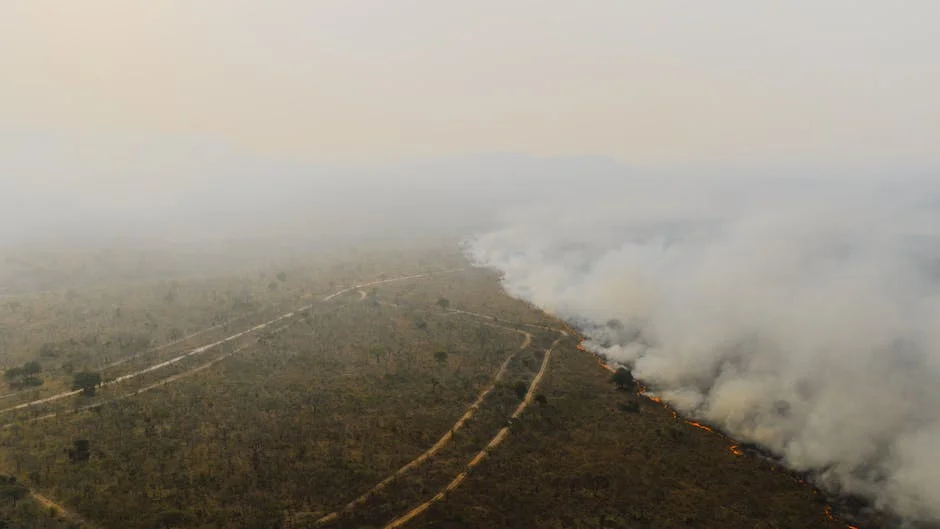
The US-Iran conflict has indirect but significant implications for South Africa, particularly in terms of regional security and economic stability. South Africa, as a key player in the African continent, is closely monitoring developments in the Middle East, given the potential for spillover effects on global oil prices and trade routes. The country's foreign policy has long emphasized non-alignment and peaceful conflict resolution, making it wary of escalating tensions in the region.
South Africa's economic interests are also at stake. The country relies on stable global markets and secure trade routes to support its export-driven economy. Any disruption in the Middle East could lead to increased oil prices, affecting domestic energy costs and inflation. The South African government has not yet issued an official statement, but analysts suggest that the country will likely continue to advocate for de-escalation and diplomatic solutions.
Central Command's Role in Regional Stability
US Central Command has been central to the US military's operations in the Middle East, including strikes on Iranian targets. The command's actions are often seen as a deterrent against Iranian aggression, but they also risk further destabilizing the region. South Africa, which has maintained a cautious approach to foreign military interventions, may find itself in a difficult position as global powers continue to take unilateral actions.
The command's latest operations have drawn attention from African leaders, who are concerned about the potential for conflict to spread. South Africa, in particular, has been vocal about the need for multilateral approaches to security challenges. The country's foreign ministry has previously called for dialogue and cooperation to address regional tensions, rather than military escalation.
Implications for African Development Goals
The US strike on Iran's facility highlights the interconnected nature of global security and development. For African nations, instability in the Middle East can have far-reaching consequences, from economic shocks to increased migration pressures. South Africa, as a regional leader, must balance its commitment to peace with the realities of a volatile international landscape.
African development goals, including economic growth, infrastructure development, and good governance, depend on a stable global environment. Conflicts in other regions can divert resources and attention away from critical development initiatives. South Africa's role in promoting regional stability and economic cooperation is therefore more important than ever.
What to Watch Next
As the situation in the Middle East continues to evolve, South Africa and other African nations will need to monitor the potential ripple effects of the US strike. The response from Iran and its allies, as well as the broader geopolitical implications, will be key factors to watch. South Africa's diplomatic strategy will be tested in the coming weeks as it seeks to navigate the complex dynamics of international relations.
For African development, the incident underscores the need for a coordinated and proactive approach to security and economic resilience. The continent must continue to advocate for peaceful conflict resolution and sustainable development, even in the face of global uncertainties. South Africa's leadership in these efforts will be crucial in shaping the future of the African continent.