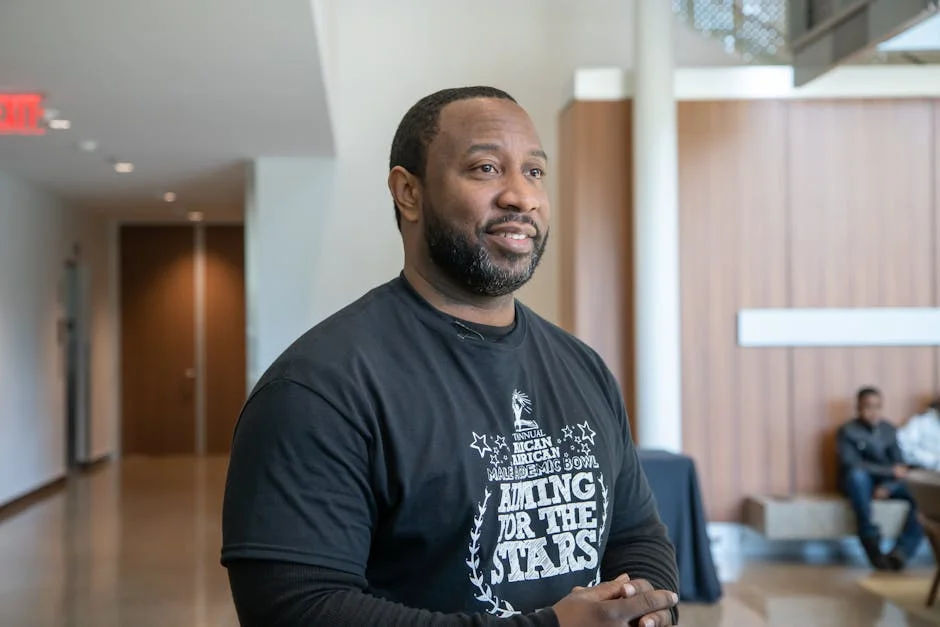
Portuguese businessman Godinho Correia has highlighted education as a crucial sector for foreign investors in Africa, emphasizing its potential to drive long-term economic development. The statement, made during a recent forum in Lisbon, underscores the growing interest of European firms in the African education market, particularly in South Africa. Correia, who has been involved in several cross-border education initiatives, said that the sector offers both social and financial returns, aligning with Africa’s development goals.
Portugal’s Strategic Interest in African Education
Godinho Correia, a prominent figure in Portuguese business circles, has long advocated for stronger economic ties between Portugal and African nations. His recent remarks come amid a broader push by Portuguese firms to expand into African markets, especially in sectors like education, health, and infrastructure. Correia noted that Portugal’s historical connections with many African countries, including South Africa, provide a unique advantage for investors seeking to enter the continent.
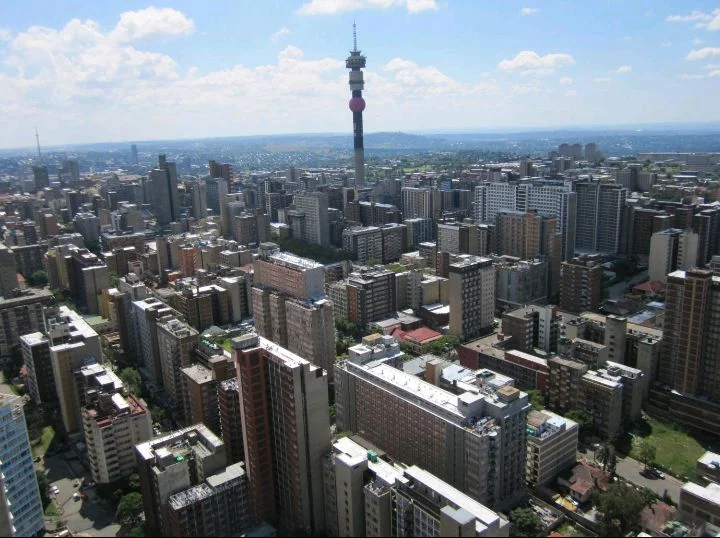
“Education is one of the most critical areas for development,” Correia said. “By investing in schools, vocational training, and digital learning, we can create sustainable growth and improve the quality of life for millions.” His comments reflect a growing trend among European investors to align their strategies with Africa’s Sustainable Development Goals (SDGs), particularly in education and economic empowerment.
How Education Investment Aligns with African Development Goals
Investing in education is a key component of Africa’s broader development agenda, including the African Union’s Agenda 2063. By improving access to quality education, African nations can enhance workforce skills, reduce poverty, and foster innovation. Correia’s focus on education as a growth sector highlights the potential for foreign investment to complement local efforts and accelerate progress toward these goals.
South Africa, in particular, faces significant challenges in its education system, including disparities in access, underfunded schools, and a need for modernized curricula. Foreign investment, if properly structured, could help address these gaps. Correia pointed to successful models in countries like Kenya and Nigeria, where private and public partnerships have led to measurable improvements in educational outcomes.
Portugal’s Role in Africa’s Economic Future
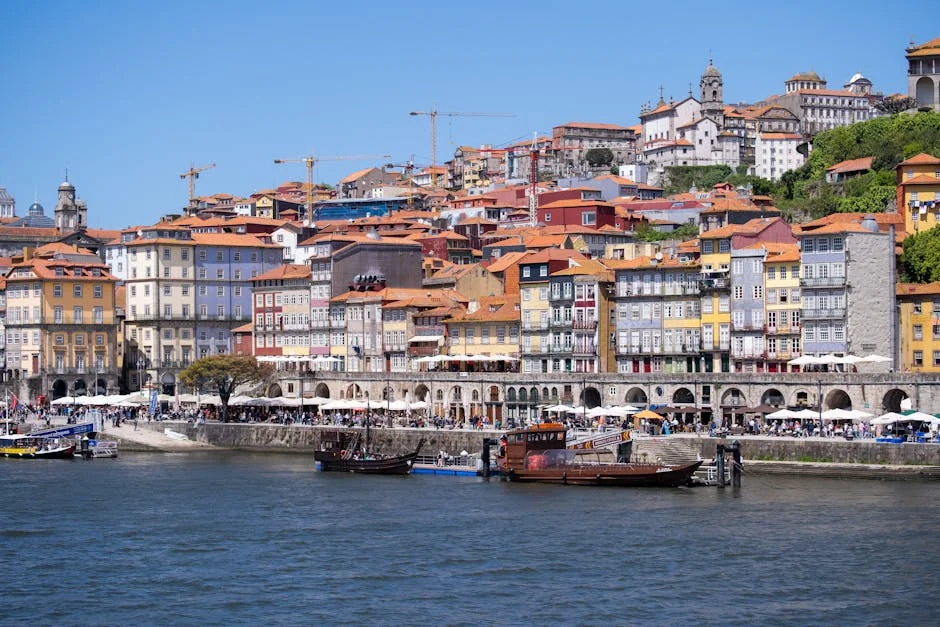
Portugal’s growing involvement in African education and infrastructure projects is part of a larger strategy to strengthen economic ties with the continent. The country has a long history of cultural and linguistic links with many African nations, which makes it a natural partner for investment and collaboration. This connection is especially relevant for South Africa, where Portuguese is one of the recognized languages and trade relations are steadily expanding.
Analysts suggest that Portugal’s interest in Africa is not just about economic gain but also about building long-term partnerships. “Portugal is not just another foreign investor,” said a South African economist. “Its approach is more strategic and focused on sustainable development, which aligns well with the continent’s aspirations.”
Challenges and Opportunities Ahead
While the potential for investment in African education is significant, challenges remain. These include regulatory hurdles, political instability, and the need for localized strategies that address the unique needs of each country. Correia emphasized the importance of collaboration between governments, private sector players, and local communities to ensure that investments deliver real benefits.
Looking ahead, the success of Portuguese-led education initiatives in Africa could serve as a model for other European and global investors. As African nations continue to prioritize education as a driver of development, the role of foreign partners like Portugal will become increasingly important. For South Africa, this presents an opportunity to leverage international expertise and resources to transform its education system and, in turn, its economy.