A woman was shot dead in broad daylight on Tuesday in Johannesburg's central business district, prompting an urgent response from police and raising significant concerns about public safety in South Africa's largest city. The incident occurred around midday, drawing attention from local businesses and passersby who witnessed the tragic event.
Police Response and Community Reactions
Authorities reported that the victim was in her thirties and was shot multiple times while walking along a busy street in the CBD. Eyewitness accounts describe a chaotic scene as bystanders rushed to help, while others called for emergency services. The police have launched a manhunt for the suspects involved in the shooting and are currently reviewing surveillance footage from nearby cameras.
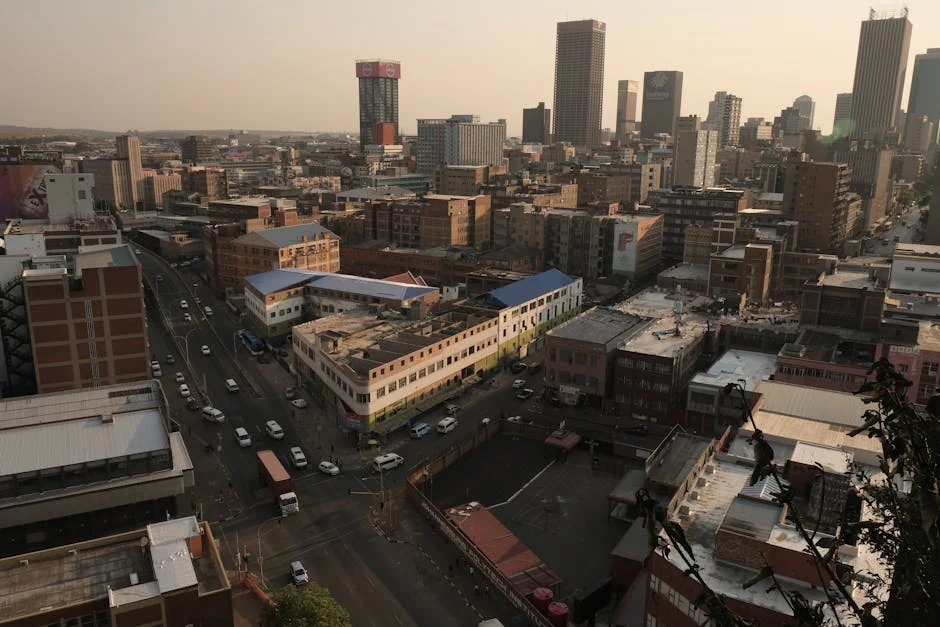
The local community has reacted with shock and fear, highlighting the growing concerns over violent crime in Johannesburg. Many residents expressed their frustrations regarding safety in the city, with some stating that such incidents have become all too common, fuelling further insecurity in the area.
Implications for Johannesburg and South Africa
This incident underscores the ongoing challenges Johannesburg faces in relation to urban safety and crime prevention. As South Africa strives to meet its development goals, including improving public safety and enhancing the quality of life for its citizens, the frequency of violent crimes poses a significant barrier to progress. The government's efforts to foster economic growth and attract investment can be severely undermined by perceptions of insecurity.
Moreover, the shooting raises critical questions about governance and the effectiveness of law enforcement in dealing with crime in urban centres. As Johannesburg serves as an economic hub, its stability is crucial not only for the city but for the nation’s overall economic trajectory.
Broader Context of Urban Violence in Africa

Johannesburg's struggles with crime reflect a broader trend of urban violence across many African cities. Factors such as poverty, unemployment, and inadequate access to education contribute to a cycle of violence that hampers development efforts. In the context of the African Union's Agenda 2063, which aims to achieve peace and security across the continent, incidents like these highlight the urgent need for collaborative strategies to address urban crime.
As cities grow, the challenge of providing adequate infrastructure, health services, and educational opportunities becomes even more pronounced. Addressing these root causes is essential for ensuring a safe and prosperous environment for all residents.
Next Steps for Community and Authorities
In light of this tragic event, community leaders and police are calling for increased collaboration to tackle safety issues head-on. Residents are urged to participate in local safety forums and engage with law enforcement to share concerns and ideas for improving safety in their neighbourhoods. The police have assured the public that they are committed to bringing those responsible for this crime to justice.
The next few weeks will be critical as the investigation unfolds, and the community's response will likely shape discussions around safety and governance in Johannesburg. Ensuring that such incidents do not continue to occur is paramount for fostering a sense of security and community trust.