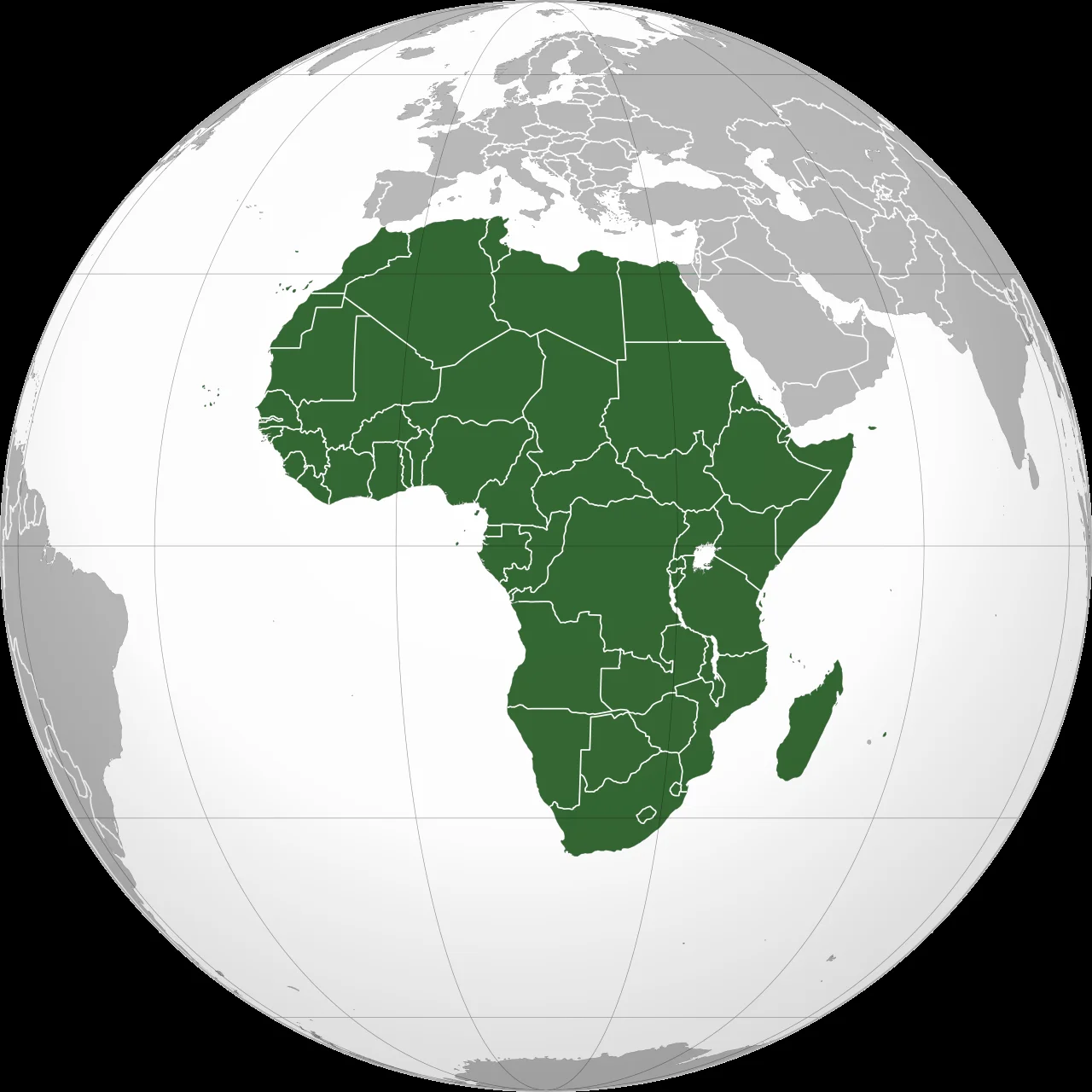
Canva, the graphic design platform, has gained significant traction in South Africa, prompting discussions on how digital tools can support the country’s development goals. With a growing emphasis on digital literacy and tech innovation, Canva's user-friendly interface and affordable pricing model have made it a popular choice among students, entrepreneurs, and small businesses. However, questions remain about its long-term impact on South Africa's digital skills landscape and how it aligns with broader African development ambitions.
Canva Explained: A Tool for the Masses
Canva is a cloud-based design tool that allows users to create graphics, presentations, and social media content without advanced design skills. Launched in 2013, it has since expanded globally, with a strong presence in South Africa. The platform offers a free version, as well as paid subscriptions that provide more advanced features. In South Africa, Canva has been particularly popular among students and small business owners who need affordable design solutions.

According to a 2022 report by the World Bank, digital skills are critical for Africa’s economic transformation. Canva’s accessibility could play a role in closing the digital skills gap, especially in a country where formal design education is limited. However, experts warn that while Canva is useful, it should not replace formal training in design and digital literacy. “It’s a tool, not a substitute for skills,” said Dr. Lindiwe Mokoena, a digital economy researcher at the University of Cape Town.
How Canva Affects South Africa's Digital Economy
South Africa’s digital economy is growing, but it faces challenges such as uneven internet access and a skills shortage. Canva’s presence in the market could help level the playing field for small businesses and startups. By enabling non-designers to create professional-looking content, Canva could boost marketing efforts and improve brand visibility for local enterprises.
However, the platform’s dominance also raises concerns. If South African users rely too heavily on pre-designed templates, it may stifle creativity and innovation. “We need to ensure that Canva is used as a stepping stone, not a crutch,” said Sipho Mthethwa, a tech entrepreneur in Johannesburg. “It’s important to balance convenience with skill development.”
What Matters for African Development Goals


Canva’s popularity in South Africa reflects a broader trend of digital tools being adopted across the continent. As part of the African Union’s Agenda 2063, digital transformation is a key priority. Platforms like Canva can support this goal by making design and digital content creation more accessible. However, their impact depends on how they are integrated into education and training programs.
The challenge lies in ensuring that digital tools like Canva contribute to long-term skill development rather than short-term convenience. This is especially important in a region where access to quality education remains uneven. “We must use these tools to empower, not just to simplify,” said Dr. Noma Mokoena, an education policy analyst in Nairobi. “The future of Africa’s development depends on a skilled, innovative workforce.”
What Analysis South Africa Reveals About Tech Adoption
South Africa’s tech landscape is evolving rapidly, but adoption rates vary across different sectors. Canva’s success in the country highlights the demand for user-friendly digital solutions. However, it also underscores the need for more comprehensive digital education. A 2021 survey by the South African Department of Communications found that only 35% of adults had basic digital skills, indicating a gap that must be addressed.
For Canva to have a meaningful impact, it must be part of a larger strategy that includes digital literacy programs and vocational training. “Canva is a useful tool, but it’s not a silver bullet,” said Mpho Mabaso, a digital skills trainer in Durban. “We need to teach people how to think, not just how to use a tool.”