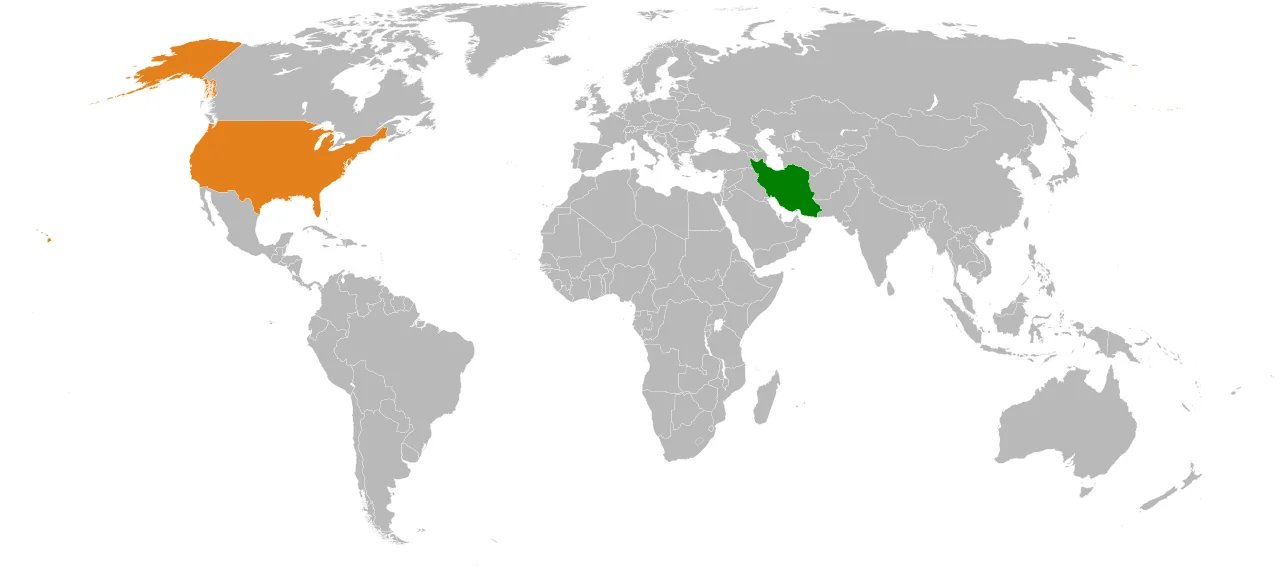
The United States has announced the lifting of sanctions on certain Iranian oil exports, a move that comes as global energy prices surge amid ongoing geopolitical tensions. The decision, made by the Biden administration, aims to stabilise global markets and ease pressure on energy-dependent economies. This development has significant implications for African nations, many of which rely heavily on imported oil and face growing energy insecurity.
The removal of restrictions on Iranian oil is expected to increase the global supply of crude, potentially lowering prices in the short term. However, the long-term effects remain uncertain, especially as the global energy transition accelerates and demand for fossil fuels wanes. For African countries, where energy poverty remains a critical challenge, the shift could mean both opportunities and risks.
Impact on African Energy Markets
South Africa, one of Africa’s largest economies, has been particularly affected by volatile oil prices. The country imports a significant portion of its fuel, and fluctuations in global markets directly impact inflation and economic stability. With the US easing restrictions on Iranian oil, South Africa may benefit from more competitive pricing, potentially easing pressure on consumers and businesses.
However, experts caution that the benefits may be short-lived. The global shift toward renewable energy and the increasing role of emerging oil producers such as Russia and Venezuela could limit the long-term impact of Iranian oil on African markets. Additionally, geopolitical tensions in the Middle East could disrupt supply chains and lead to renewed price volatility.
Infrastructure and Development Challenges
African development goals, as outlined in the African Union’s Agenda 2063, include improving energy access and building resilient infrastructure. The availability of cheaper oil could support short-term infrastructure projects, but the continent’s long-term vision requires a move away from fossil fuels. This creates a dilemma for policymakers balancing immediate economic needs with sustainability goals.
Investment in renewable energy remains a key focus for many African nations. Countries such as Kenya and Morocco have made significant progress in solar and wind energy, but the continent still lags behind in overall energy production. The influx of Iranian oil may delay the transition to cleaner energy if governments opt for cheaper, short-term solutions.
Governance and Economic Growth
The decision by the US to lift sanctions on Iranian oil has also sparked debate about the role of external powers in shaping Africa’s energy future. Critics argue that African nations should have more control over their energy policies and reduce dependence on foreign oil. This calls for stronger regional cooperation and investment in local energy production.
Improved energy access is crucial for economic growth, particularly in rural areas where energy poverty is most acute. With the potential for cheaper oil, African governments must ensure that energy policies are transparent and equitable. Failure to do so could lead to increased corruption and mismanagement, undermining development efforts.
Looking Ahead: What to Watch
As the global energy landscape continues to evolve, African nations must remain vigilant. The impact of Iranian oil on South Africa and the broader continent will depend on how quickly governments adapt to changing market conditions. A coordinated approach, involving regional bodies such as the African Union and the Southern African Development Community, will be essential in navigating these challenges.
For now, the lifting of US sanctions on Iranian oil serves as a reminder of the complex interplay between global politics, energy markets, and African development. While the immediate effects may be positive, the long-term success of Africa’s energy strategy will depend on its ability to balance short-term needs with long-term sustainability.