Saudi Arabia has expelled the Iranian military attache in the kingdom, escalating tensions between the two regional rivals. The move comes amid rising diplomatic friction and regional instability, with the Gulf Cooperation Council (GCC) closely monitoring the situation. The decision highlights the broader geopolitical challenges affecting the Middle East and indirectly influencing African development dynamics.
The Iranian military attache was ordered to leave Saudi Arabia within 48 hours, according to a statement from the Saudi foreign ministry. This follows a series of diplomatic disputes between the two countries, including accusations of interference in regional affairs and support for militant groups. The expulsion marks another chapter in the long-standing rivalry between Saudi Arabia and Iran, which has had ripple effects across the Middle East and beyond.
Regional Tensions and African Implications
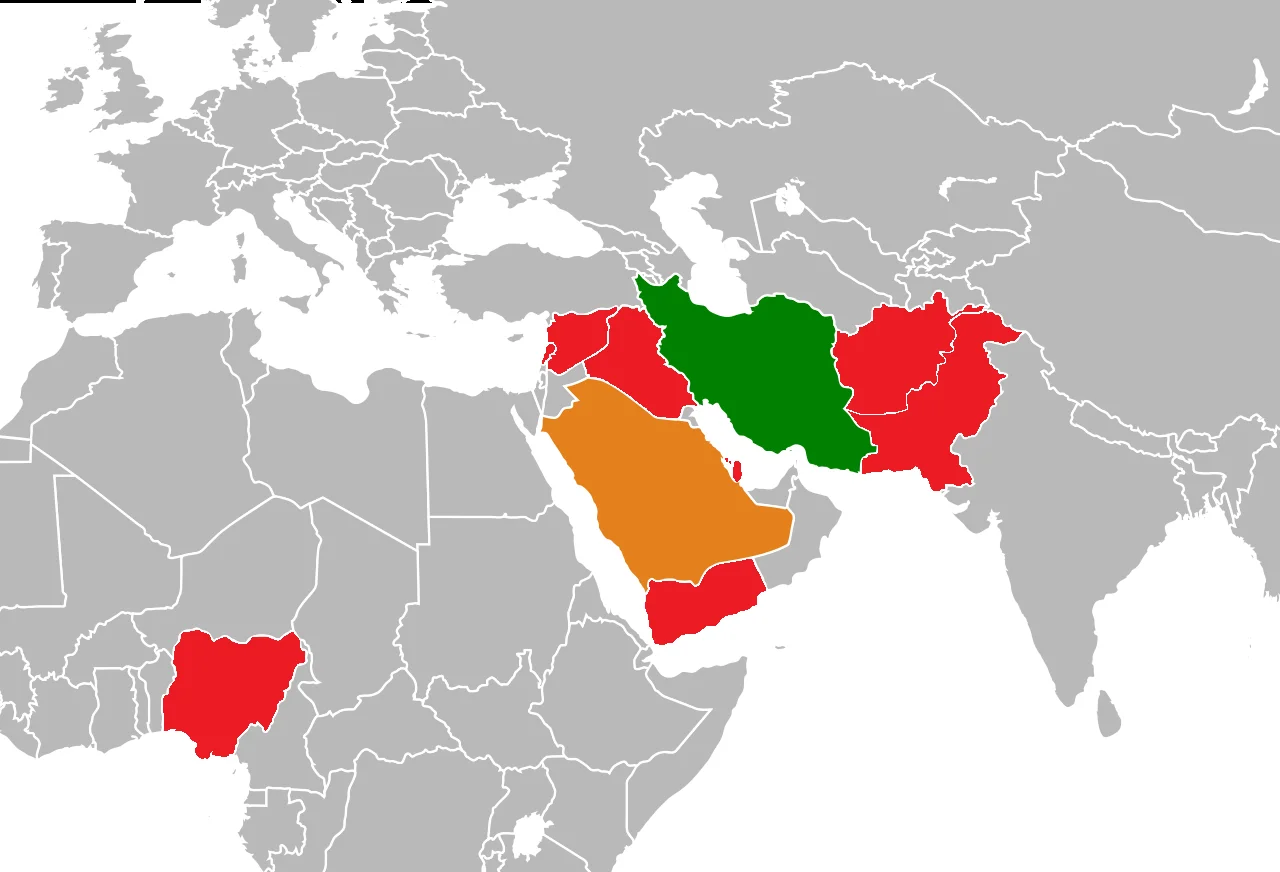
The Gulf region has long been a focal point of geopolitical rivalry, with Saudi Arabia and Iran vying for influence. This tension has not only shaped the Middle East but has also had indirect consequences for African nations, particularly those with economic ties to the region. South Africa, for instance, maintains trade and investment links with both Gulf states, making it a key player in regional stability.
Analysts suggest that the ongoing Gulf conflict could impact African development by disrupting trade routes and investment flows. The region is a major supplier of oil and gas, which are critical for many African economies. Any prolonged instability could lead to higher energy prices and economic uncertainty, complicating efforts to achieve sustainable development goals.
Gulf Developments and South Africa's Strategic Position
South Africa has historically maintained a delicate balance between Gulf states, often acting as a mediator in regional disputes. However, the recent expulsion of the Iranian military attache may force the country to re-evaluate its foreign policy approach. As a member of the African Union and a key player in the Southern African Development Community (SADC), South Africa's stance on Gulf affairs could influence broader continental strategies.
Experts say that South Africa’s engagement with the Gulf must be carefully managed to avoid being drawn into regional conflicts. The country’s economic interests, particularly in trade and energy, require a stable and predictable environment. As Gulf developments continue to unfold, South Africa must navigate these challenges while advancing its own development agenda.
Iran's Role in the Region and Beyond

Iran's presence in the Gulf has been a source of concern for many regional actors, including Saudi Arabia. The country's support for groups such as Hezbollah and its involvement in conflicts in Yemen and Syria have heightened tensions. These dynamics have drawn international scrutiny, with the United States and European nations also monitoring the situation closely.
The implications of Iran's actions extend beyond the Gulf. African countries with historical or economic ties to Iran, such as South Africa, may face indirect consequences. The potential for increased militarization or conflict in the region could affect global supply chains, impacting African imports and exports. As such, understanding Iran's role is crucial for African policymakers.
What to Watch Next
The expulsion of the Iranian military attache is likely to trigger further diplomatic responses from Tehran. Iran may retaliate by expelling Saudi officials or taking other measures to assert its position. These developments could lead to a broader escalation in tensions, with potential consequences for regional stability.
For African nations, the key will be to monitor these developments closely and ensure that their interests are protected. As the Gulf continues to evolve, African countries must remain engaged and proactive in shaping their foreign policy to align with their development goals. The coming months will be critical in determining how these dynamics unfold and what they mean for the continent.