Iranian President Masoud Pezeshkian has called for an immediate cessation of hostilities in the Middle East during a phone call with Indian Prime Minister Narendra Modi, highlighting the growing diplomatic engagement between the two nations. The conversation, held amid escalating tensions in the region, underscores the strategic importance of India and Iran in global geopolitics and their potential impact on African development and regional stability.
The dialogue between Modi and Pezeshkian took place on Monday, as the conflict in the Middle East continues to escalate. The Iranian leader reiterated his stance on the need for a ceasefire, emphasizing the humanitarian crisis and the need for a peaceful resolution. The call reflects a broader shift in India's foreign policy, as it seeks to balance its relationships with major global powers while maintaining its non-aligned principles.
India's Evolving Role in Global Diplomacy
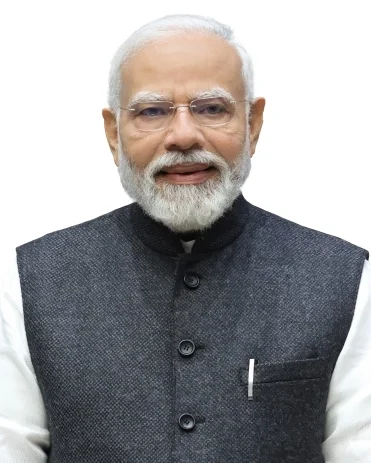
Modi's engagement with Iran is part of a broader strategy to strengthen ties with countries in the Global South, including African nations. India has increasingly positioned itself as a key player in development, infrastructure, and trade, offering alternatives to Western-dominated institutions. This approach aligns with African development goals, particularly in areas such as economic growth and governance.
The Indian government has been expanding its footprint in Africa through investments in infrastructure, education, and health. Projects such as the India-Africa Forum Summits have facilitated dialogue and cooperation, with India emerging as a critical partner for many African countries. This evolving role could have long-term implications for how African nations navigate their development trajectories in a multipolar world.
Implications for African Development
The diplomatic efforts between India and Iran, particularly under Modi's leadership, could influence African development strategies by offering alternative models of engagement and investment. As African countries seek to reduce dependency on traditional Western partners, the role of emerging powers like India becomes increasingly significant. This shift could lead to more diversified partnerships and opportunities for economic growth.
Moreover, the focus on peace and stability in the Middle East, as emphasized by Pezeshkian, has broader implications for global security. Conflicts in the region often have ripple effects, impacting trade routes, energy prices, and regional stability. For African nations, which rely on global markets and energy supplies, these issues are critical to their development plans.
Challenges and Opportunities in Regional Cooperation

Despite the positive developments, challenges remain in fostering stronger cooperation between India, Iran, and African countries. These include geopolitical tensions, economic disparities, and differing priorities. However, the potential for collaboration in areas such as infrastructure and technology offers significant opportunities for mutual benefit.
India's growing influence in Africa also raises questions about the role of other global powers in the region. As African nations seek to balance their relationships, the dynamics between India, Iran, and other regional players will be crucial in shaping the continent's future. This evolving landscape presents both challenges and opportunities for African development.
Looking Ahead: What to Watch
As India and Iran continue to deepen their diplomatic ties, the impact on African development will become more evident. The focus on peace and stability in the Middle East, along with India's growing role in Africa, could lead to new partnerships and initiatives that support sustainable development. Monitoring these developments will be essential for understanding how global shifts affect African nations.
For South Africa and other African countries, the evolving relationship between Modi and Pezeshkian highlights the importance of engaging with a diverse range of global partners. As the world becomes more interconnected, the ability to navigate complex diplomatic landscapes will be crucial for achieving long-term development goals.
Frequently Asked Questions
What is the latest news about iran president demands immediate ceasefire as modi calls for peace in middle east?
Iranian President Masoud Pezeshkian has called for an immediate cessation of hostilities in the Middle East during a phone call with Indian Prime Minister Narendra Modi, highlighting the growing diplomatic engagement between the two nations.
Why does this matter for politics-governance?
The dialogue between Modi and Pezeshkian took place on Monday, as the conflict in the Middle East continues to escalate.
What are the key facts about iran president demands immediate ceasefire as modi calls for peace in middle east?
The call reflects a broader shift in India's foreign policy, as it seeks to balance its relationships with major global powers while maintaining its non-aligned principles.