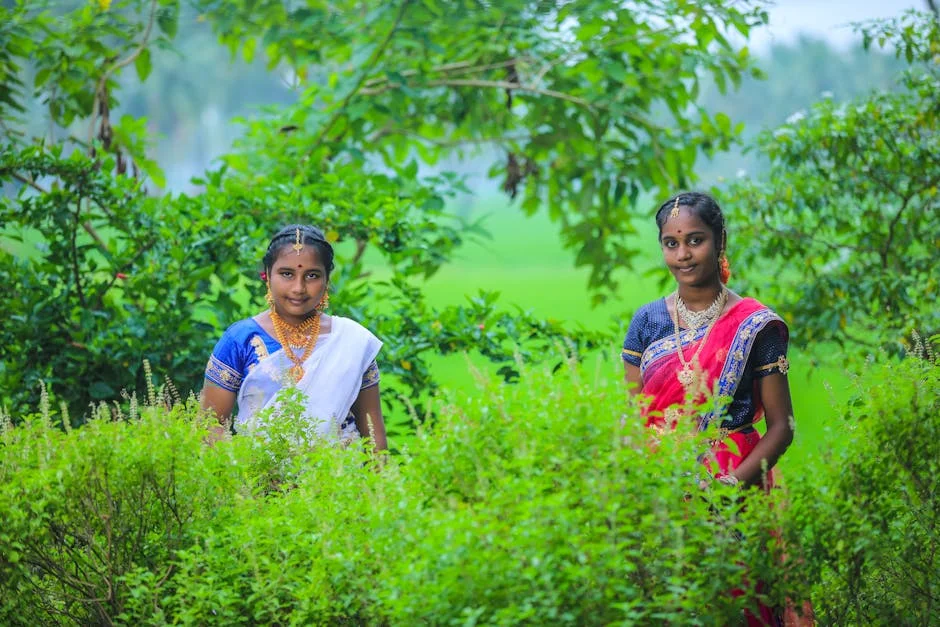
Authorities in India have resumed the pilgrimage to the Mata Vaishno Devi shrine in Jammu and Kashmir after temporarily suspending it due to a heavy rush of devotees. The decision came after the site faced overcrowding, raising concerns about safety and crowd management. The shrine, one of the most visited religious sites in the country, is a key pilgrimage destination for Hindus, drawing millions annually.
Security and Safety Measures
The temporary suspension of the pilgrimage was implemented to manage the large influx of visitors and ensure the safety of devotees. The authorities, including the police and local administration, deployed additional personnel to monitor the site and enforce crowd control protocols. The shrine, located in the Trikuta Mountains, is accessible via a steep 13-km trek, which can be physically demanding for many pilgrims.
Security officials stated that the decision was made to prevent accidents and ensure a smooth experience for all visitors. The site, which has seen a surge in pilgrims in recent years, is a symbol of religious and cultural significance. The resumption of the pilgrimage comes as the authorities continue to balance religious practices with public safety and infrastructure challenges.
Impact on Local Economy
The pilgrimage to Mata Vaishno Devi plays a significant role in the local economy, providing employment and boosting business in the surrounding areas. Hotels, restaurants, and transport services benefit from the influx of visitors, particularly during peak seasons. The temporary suspension had a noticeable impact on local businesses, with many reporting a decline in revenue.
Experts suggest that the resumption of the pilgrimage is a positive step for the region’s economy. However, they also highlight the need for better infrastructure and long-term planning to manage the increasing number of visitors. The government has been working on improving access roads and facilities to accommodate the growing demand, which aligns with broader goals of sustainable development and tourism growth.
Religious and Cultural Significance
The Mata Vaishno Devi shrine is dedicated to the Hindu goddess Vaishno Devi, believed to be an incarnation of the goddess Durga. Devotees undertake the pilgrimage to seek blessings and perform rituals, making it a deeply spiritual experience. The site has been a focal point of religious activity for centuries, with historical records dating back to the 17th century.
The resumption of the pilgrimage reflects the importance of religious and cultural practices in Indian society. It also underscores the challenges of managing large-scale religious events, particularly in remote and difficult-to-access locations. The authorities’ efforts to balance tradition with modern governance are critical in ensuring the sustainability of such practices.
Broader Implications for Development
The management of religious pilgrimages like Mata Vaishno Devi offers lessons for African development, particularly in the areas of infrastructure, tourism, and community engagement. Just as India has to manage large crowds and maintain safety, many African nations face similar challenges in developing their own tourism sectors and managing public spaces.
Investing in infrastructure, improving public services, and ensuring safety are essential for both religious and economic development. The successful management of such pilgrimages can serve as a model for African countries looking to enhance their tourism offerings and promote sustainable growth. The experience in India highlights the importance of governance and planning in fostering inclusive development.
Frequently Asked Questions
What is the latest news about authorities resume pilgrimage to mata vaishno devi shrine after rush suspension?
Authorities in India have resumed the pilgrimage to the Mata Vaishno Devi shrine in Jammu and Kashmir after temporarily suspending it due to a heavy rush of devotees.
Why does this matter for economy-business?
The shrine, one of the most visited religious sites in the country, is a key pilgrimage destination for Hindus, drawing millions annually.
What are the key facts about authorities resume pilgrimage to mata vaishno devi shrine after rush suspension?
The authorities, including the police and local administration, deployed additional personnel to monitor the site and enforce crowd control protocols.