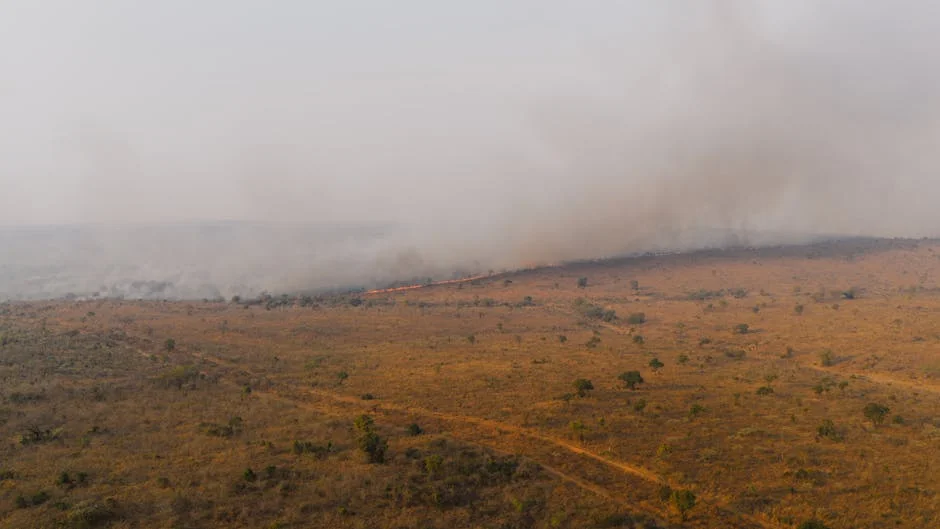
US states have launched legal action against former President Donald Trump over his administration’s decision to repeal the Clean Power Plan, a key climate regulation aimed at reducing greenhouse gas emissions. The lawsuits, filed by a coalition of Democratic-led states, argue that the rollback undermines federal efforts to combat climate change and violates environmental protections. The move has sparked a broader debate about the role of federal policy in addressing global warming and its impact on vulnerable regions, including Africa.
Trump’s Climate Policy and Global Implications
Trump’s administration rolled back the Clean Power Plan in 2019, replacing it with the Affordable Clean Energy rule, which allowed power plants more flexibility in reducing emissions. The change was widely criticized by environmental groups and climate scientists, who argued it would lead to increased carbon pollution. While the US is a major emitter, the effects of climate change are felt most acutely in developing regions, including parts of Africa, where rising temperatures and erratic weather patterns threaten food security, water access, and public health.

The legal battle highlights the tension between economic growth and environmental protection, a challenge that resonates across the African continent. Many African nations are seeking to balance industrial development with sustainable practices, often with limited resources and infrastructure. The Trump administration’s approach has been seen as a setback for global climate cooperation, with some experts warning that it could hinder international efforts to meet the goals of the Paris Agreement.
African Development and Climate Vulnerability
Africa is among the most vulnerable regions to the impacts of climate change, despite contributing the least to global emissions. The continent faces growing challenges such as desertification, droughts, and extreme weather events, which threaten agricultural productivity and economic stability. The UN has repeatedly called for greater international support to help African nations adapt to these changes, but progress has been slow.
The rollback of US climate regulations has raised concerns among African leaders and environmental advocates. They argue that developed nations, including the US, have a moral and historical responsibility to lead in reducing emissions and supporting climate resilience in developing countries. The current legal challenges could influence future US climate policy, with implications for global environmental governance and funding for African development initiatives.
Continental Challenges and Opportunities
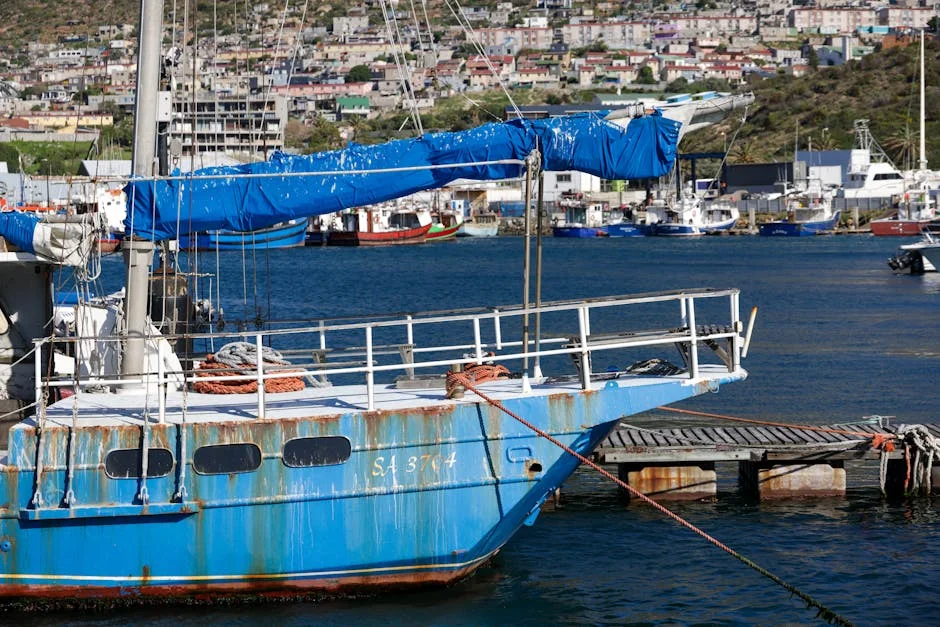

As African countries work to achieve the UN Sustainable Development Goals (SDGs), particularly those related to clean energy, climate action, and sustainable cities, they face significant obstacles. Limited access to technology, financing, and expertise hampers progress. However, there are also opportunities for innovation and collaboration, particularly in renewable energy and climate-smart agriculture.
Some African nations are taking proactive steps to address climate change. Kenya, for example, has invested heavily in geothermal energy, while South Africa is exploring ways to transition from coal to cleaner energy sources. These efforts align with global climate goals and demonstrate the potential for African countries to play a more active role in shaping the future of environmental policy.
What’s Next for Climate Policy and Africa
The outcome of the lawsuits against Trump could have lasting effects on US climate policy, particularly if a new administration prioritizes environmental regulation. A shift back to stronger climate protections could create new opportunities for international cooperation, including support for African development projects focused on sustainability and resilience.
For African nations, the situation underscores the need for stronger advocacy on the global stage. As the continent continues to grapple with the effects of climate change, it is essential to build partnerships that prioritize long-term environmental and economic stability. The legal actions in the US serve as a reminder that climate policy is not just a domestic issue but a global one, with far-reaching consequences for the world’s most vulnerable populations.
Frequently Asked Questions
What is the latest news about trump faces lawsuits over rollback of climate rules?
US states have launched legal action against former President Donald Trump over his administration’s decision to repeal the Clean Power Plan, a key climate regulation aimed at reducing greenhouse gas emissions.
Why does this matter for economy-business?
The move has sparked a broader debate about the role of federal policy in addressing global warming and its impact on vulnerable regions, including Africa.
What are the key facts about trump faces lawsuits over rollback of climate rules?
The change was widely criticized by environmental groups and climate scientists, who argued it would lead to increased carbon pollution.