Russia, China, and the United States are redefining global power dynamics, with profound implications for Africa. As the conflict in Iran escalates, the continent's development goals, economic opportunities, and governance structures are increasingly influenced by external actors. African nations are navigating a complex landscape where geopolitical rivalries shape trade, investment, and political alliances.
The shifting balance of power between major global players is altering the trajectory of African development. With Russia and China emerging as key economic partners, many African countries are reassessing their strategic relationships. At the same time, the United States remains a critical player in security and diplomatic affairs, especially in regions affected by instability.
Russia’s Strategic Move in Africa
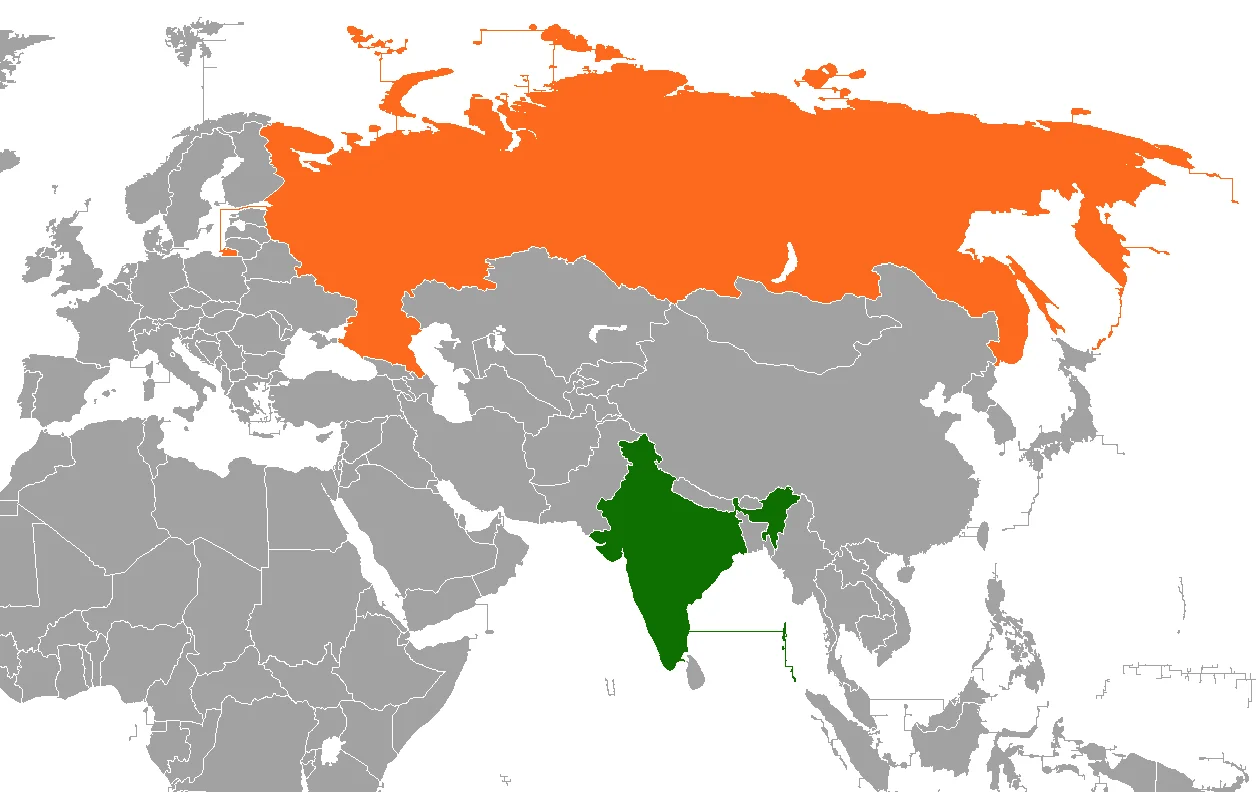
Russia has been ramping up its presence in Africa, leveraging its military and economic influence to secure long-term partnerships. In 2023, Russia signed agreements with several African nations, including Sudan and South Africa, to boost trade and infrastructure projects. These deals often come with political benefits, such as support in international forums, which can influence Africa’s global standing.
The Russian military has also been involved in training and advisory roles in countries like the Central African Republic and Sudan. While these engagements are framed as non-interventionist, they raise concerns about the long-term implications for African sovereignty and governance. For African development, this means a growing reliance on external powers, which could either drive progress or entrench dependency.
China’s Expanding Economic Footprint
China's Belt and Road Initiative (BRI) continues to reshape Africa's economic landscape. The country has invested heavily in infrastructure, from railways to ports, aiming to boost trade and connectivity. However, the debt sustainability of these projects has sparked debates about Africa's economic independence. In South Africa, for example, Chinese investments in energy and mining have raised questions about local job creation and environmental impact.
China's growing influence is also evident in its diplomatic ties with African nations. Many African countries have aligned with China on issues such as climate change and global governance, often at the expense of traditional Western allies. For African development, this shift offers new opportunities but also risks deepening economic imbalances and reducing the continent's leverage in global negotiations.
US Influence and the Challenge of Relevance

The United States, once the dominant external force in Africa, is facing increasing competition from China and Russia. Despite this, the US remains a key player in security and development aid, particularly in conflict-affected regions like the Sahel and the Horn of Africa. However, recent shifts in US foreign policy have led to a perception of reduced commitment to the continent.
African leaders are now calling for more equitable partnerships, urging the US to increase investment in education, health, and governance. Without a stronger US presence, many African nations may find themselves more reliant on China and Russia, which could limit their ability to shape their own development paths.
Implications for African Development
The geopolitical rivalry between Russia, China, and the US is not just a matter of international politics—it directly affects Africa’s development goals. Infrastructure, education, and health systems are increasingly shaped by external investments, which can either accelerate progress or create new dependencies. For example, while Chinese-funded projects have improved connectivity, they have also raised concerns about debt and transparency.
As Africa continues to navigate these complex dynamics, the need for a unified continental strategy becomes more urgent. African leaders must balance the benefits of foreign investment with the need for sustainable, locally-driven development. The continent's future depends on its ability to leverage global partnerships without compromising its sovereignty or long-term goals.
Frequently Asked Questions
What is the latest news about russia china and the us africas new geopolitical playbook?
Russia, China, and the United States are redefining global power dynamics, with profound implications for Africa.
Why does this matter for politics-governance?
African nations are navigating a complex landscape where geopolitical rivalries shape trade, investment, and political alliances.
What are the key facts about russia china and the us africas new geopolitical playbook?
With Russia and China emerging as key economic partners, many African countries are reassessing their strategic relationships.