European markets closed their third consecutive week in decline, with the French CAC-40 entering correction territory as economic uncertainties and geopolitical tensions weighed on investor confidence. The downturn has raised concerns about the broader implications for global markets, including Africa, where trade and investment flows are closely tied to European economic performance.
The CAC-40, France's benchmark stock index, fell 3.2% for the week, marking a 10% drop from its recent peak, officially entering a correction. This follows a series of negative economic indicators, including slowing industrial production and rising inflation, which have prompted central banks across the continent to reconsider monetary policies.
Market Volatility and African Economic Linkages
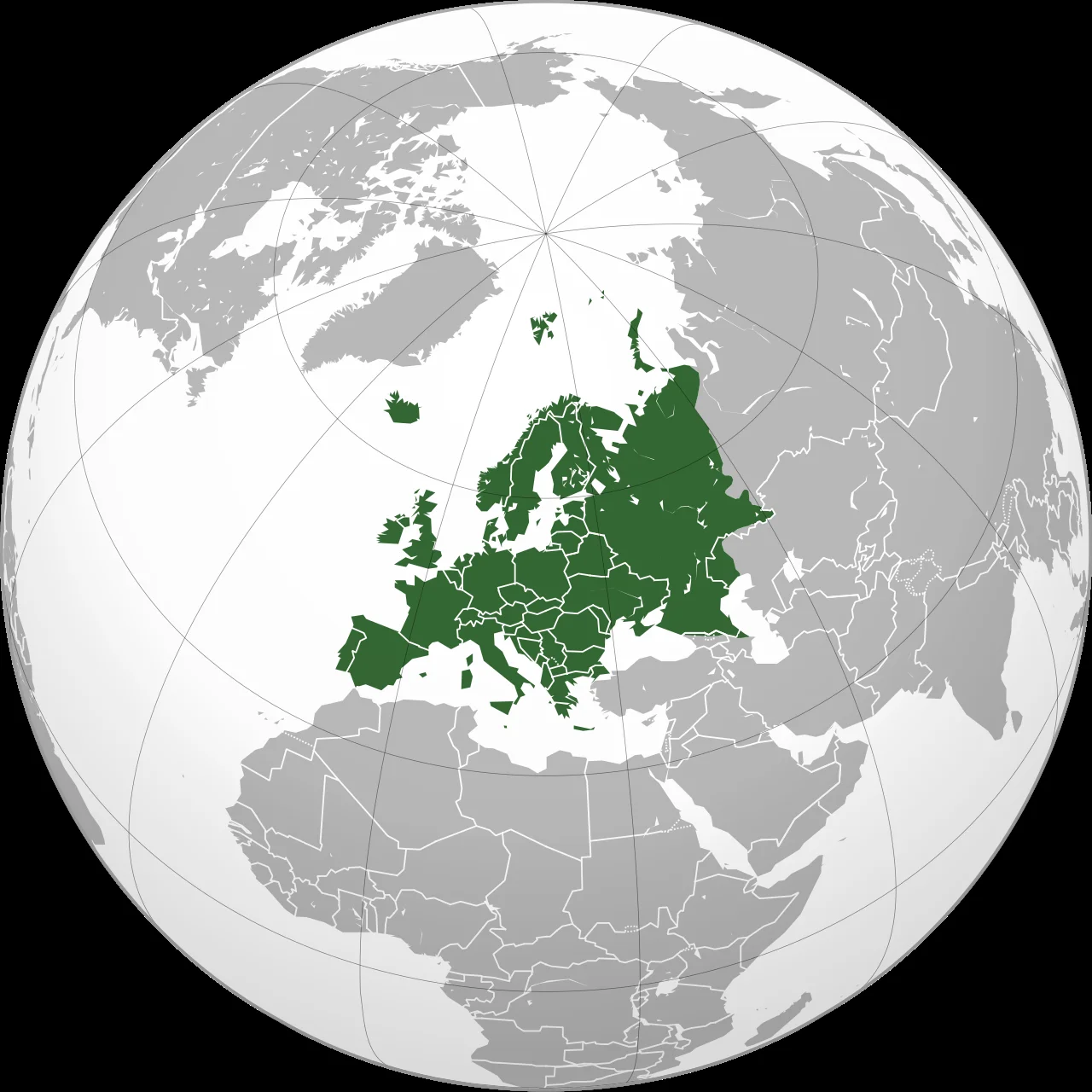
The European economic slowdown is not isolated. South Africa, as one of Africa’s largest economies, has direct exposure to European markets through trade and foreign direct investment (FDI). A decline in European demand for African exports, particularly in sectors like mining and agriculture, could slow growth and impact development goals such as poverty reduction and job creation.
According to the African Development Bank, Europe remains a key trade partner for many African nations. In 2023, the European Union accounted for nearly 15% of Africa’s total trade. A prolonged downturn in Europe could lead to reduced investment and lower commodity prices, which would affect African economies reliant on raw material exports.
Analysts warn that African policymakers must prepare for potential spillover effects. “The European market is a major driver for African exports, and any sustained slowdown could undermine progress made in recent years,” said Dr. Naledi Mokoena, an economist at the University of Cape Town.
Infrastructure and Development Challenges
As African countries continue to invest in infrastructure, the European economic situation adds another layer of complexity. Many African nations rely on foreign capital for large-scale projects, including energy, transportation, and digital infrastructure. A slowdown in Europe could lead to tighter credit conditions and reduced access to funding, affecting the pace of development.
South Africa, for example, is currently implementing its National Infrastructure Plan, which aims to boost economic growth through improved transport networks and energy security. However, with European investors becoming more risk-averse, the country may face delays in securing critical funding for these projects.
“Infrastructure development is crucial for Africa’s long-term growth, but without stable external financing, progress could stall,” said Mokoena. “Policymakers need to explore alternative funding sources, including regional partnerships and private sector participation.”
Health and Education Sectors at Risk

The European economic slowdown may also impact African health and education sectors, which often depend on foreign aid and international partnerships. Reduced funding from European donors could lead to cutbacks in essential services, particularly in low-income countries where public spending is already limited.
For instance, the European Union has been a major contributor to health initiatives in Africa, including the fight against HIV/AIDS and the expansion of maternal healthcare. A decline in EU funding could jeopardize these efforts, threatening progress toward the Sustainable Development Goals (SDGs), particularly those related to health and education.
“African countries must diversify their sources of support to ensure that health and education systems remain resilient,” said Dr. Amina Jalloh, a public health expert based in Kenya. “Relying too heavily on European aid is a risk that could have serious consequences.”
Governance and Economic Resilience
As African nations navigate the challenges posed by European market volatility, good governance and economic resilience will be key. Countries that have diversified their economies and strengthened domestic financial systems are better positioned to weather external shocks.
South Africa, for example, has been working to reduce its dependence on European markets by expanding trade with other regions, including Asia and Latin America. However, the ongoing European downturn highlights the need for continued policy reforms and stronger regional integration.
“African countries must focus on building self-sustaining economies that are less vulnerable to global market fluctuations,” said Mokoena. “This requires strong leadership, transparent governance, and a commitment to long-term planning.”
Frequently Asked Questions
What is the latest news about europa slides as cac40 enters correction zone?
European markets closed their third consecutive week in decline, with the French CAC-40 entering correction territory as economic uncertainties and geopolitical tensions weighed on investor confidence.
Why does this matter for economy-business?
The CAC-40, France's benchmark stock index, fell 3.2% for the week, marking a 10% drop from its recent peak, officially entering a correction.
What are the key facts about europa slides as cac40 enters correction zone?
Market Volatility and African Economic Linkages The European economic slowdown is not isolated.