The South African government has taken decisive steps to quell growing concerns over a potential fuel shortage, assuring the public that supply chains remain stable despite recent disruptions. The move comes as part of broader efforts to maintain economic stability and support development goals across the continent. Officials confirmed that no major shortages have been recorded, with reserves and distribution networks operating as expected.
The situation emerged after reports of delays in fuel imports and rising prices in some regions sparked public anxiety. The government, through the Department of Energy and the South African National Petroleum Corporation (PetroSA), has been closely monitoring the situation. A spokesperson stated that emergency stockpiles are in place, and measures are being taken to prevent any impact on essential services or industrial activity.
How the Crisis Reflects Broader Development Challenges

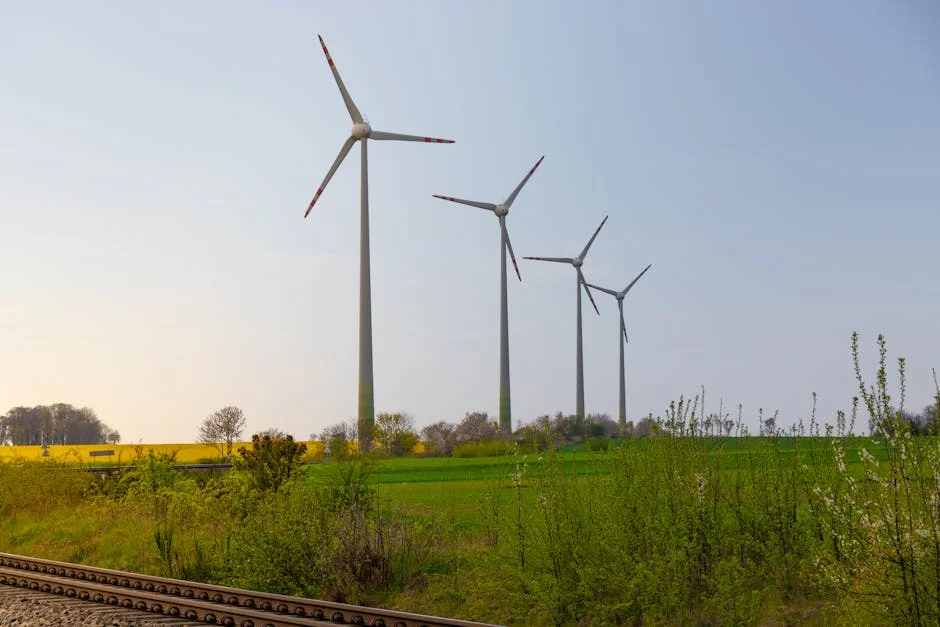
The fuel shortage concerns highlight the fragility of South Africa’s energy infrastructure, a challenge that has long hindered economic growth and development. The country’s reliance on coal and its struggling power grid have often led to load-shedding, which disrupts businesses and daily life. This incident underscores the need for more diversified and resilient energy systems, aligning with broader African development goals such as the African Union’s Agenda 2063.
Analysts point to the importance of improving infrastructure and energy security as key to achieving sustainable development. The government’s swift response demonstrates an awareness of these challenges, but critics argue that long-term solutions are still lacking. “The short-term fixes are necessary, but we need a clear roadmap for renewable energy and better logistics to avoid such crises in the future,” said Dr. Noma Dlamini, an energy policy expert at the University of Cape Town.
Governance and Public Trust
The government’s handling of the fuel crisis has been closely watched by citizens and international observers alike. Effective governance is crucial in maintaining public trust, especially in a country where economic instability and corruption have long been issues. The government’s transparency in addressing the situation has been praised by some, but others remain skeptical about the sustainability of their actions.
Public perception of the government’s ability to manage crises is a key factor in its overall legitimacy. Recent efforts to improve communication and coordination between state agencies have been seen as positive steps. However, the broader challenge remains in ensuring that these improvements translate into tangible benefits for all South Africans, particularly in underserved communities.
Implications for Regional and Continental Development

South Africa’s role as a regional economic leader means that its stability has far-reaching implications for the continent. The country’s energy and infrastructure challenges are not unique, but its response to such issues can serve as a model for other African nations. The current situation reinforces the need for pan-African cooperation in energy and infrastructure development.
Regional initiatives such as the African Development Bank’s infrastructure programs and the African Union’s energy policies are gaining momentum. South Africa’s experience with fuel shortages and its efforts to address them could contribute valuable insights to these broader discussions. As the continent strives for greater economic integration and self-reliance, the importance of stable and efficient energy systems cannot be overstated.
What to Watch Next
While the immediate fuel shortage concerns appear to be under control, the government will need to continue monitoring the situation closely. The next few weeks will be critical in determining whether the current measures are sufficient or if further action is required. Public confidence in government management of critical resources will likely remain a key issue in the coming months.
For now, South Africans are cautiously optimistic, with many acknowledging the importance of a well-functioning energy sector for economic growth and social stability. The government’s ability to maintain this balance will be a key indicator of its effectiveness in addressing the broader development challenges facing the country and the continent as a whole.