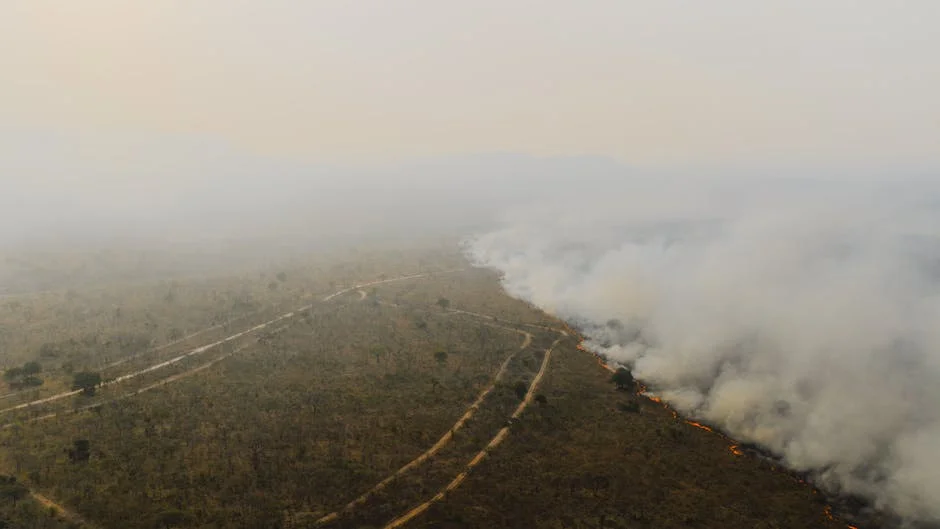
The conflict in the Middle East has escalated with renewed violence in the Qadir region, raising concerns over regional stability and its potential impact on African development. The unrest, centered around a Muslim shrine, has drawn international attention and intensified diplomatic tensions. The situation is particularly significant as it intersects with broader African development goals, including peace, security, and economic cooperation.
The Qadir shrine, a historical and religious site, has become a flashpoint following clashes between local groups and security forces. The violence has displaced thousands and disrupted trade routes, affecting regional connectivity. As African nations increasingly engage with the Middle East, the crisis underscores the need for stronger conflict resolution mechanisms and cross-continental collaboration.
Qadir's Significance in Regional Politics

The Qadir shrine holds deep religious and cultural significance for many Muslims in the Middle East and beyond. Its recent turmoil has drawn the attention of regional powers, with several countries calling for calm and dialogue. The shrine’s location near major trade routes also makes it a strategic point, highlighting the intersection of religion, politics, and economics in the region.
Local and international stakeholders have expressed concern over the potential for the conflict to spill over into neighboring regions. African leaders have urged restraint, emphasizing the importance of peaceful resolution to safeguard development initiatives. The situation also raises questions about the role of external actors in mediating such conflicts, a key issue in African foreign policy.
Impact on African Development Goals
The Qadir crisis has direct implications for African development, particularly in terms of security and regional integration. The African Union has reiterated its commitment to peaceful conflict resolution, aligning with the continent’s broader goals of stability and sustainable growth. However, the ongoing violence in the Middle East poses challenges to cross-border cooperation and economic partnerships.
African nations, especially those with significant Muslim populations, are closely monitoring the situation. The crisis has sparked discussions on how to better engage with the Middle East while safeguarding national interests. For South Africa, in particular, the developments in Qadir have raised questions about the influence of Muslim communities on local politics and economic relations.
Challenges and Opportunities for Pan-African Cooperation
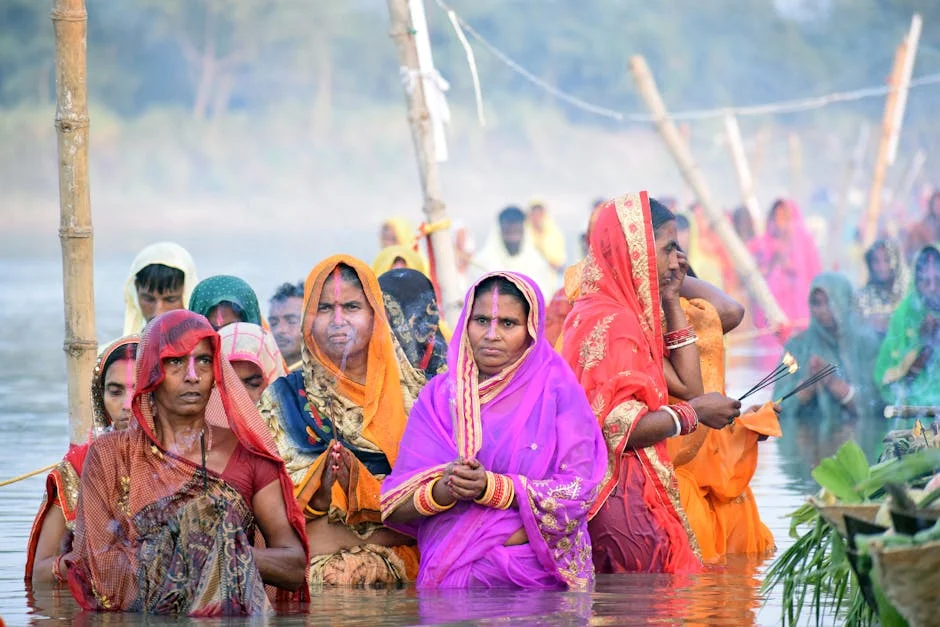

The Qadir conflict highlights the need for a unified African response to regional crises. As the continent faces its own challenges, including poverty, governance, and infrastructure gaps, the ability to manage external conflicts is crucial. The crisis has also created an opportunity for African nations to play a more active role in global diplomacy, leveraging their growing influence.
Experts suggest that African countries should invest more in conflict prevention and early warning systems to mitigate the impact of regional crises. This aligns with the African Union’s Agenda 2063, which emphasizes peace, security, and economic integration. The Qadir situation serves as a reminder of the importance of proactive engagement in global affairs.
Looking Ahead: What to Watch
As the situation in Qadir continues to evolve, the international community will be watching closely. The role of regional powers, the involvement of the African Union, and the potential for diplomatic intervention are key factors to monitor. For African development, the crisis underscores the need for resilience, cooperation, and a deeper understanding of global dynamics.
With the upcoming Ramadan season, the situation may take on additional religious and cultural dimensions, influencing both local and international responses. African leaders will need to navigate these complexities carefully, ensuring that the continent’s development goals remain on track despite external challenges.
Frequently Asked Questions
What is the latest news about qadir violence sparks regional tensions in middle east?
The conflict in the Middle East has escalated with renewed violence in the Qadir region, raising concerns over regional stability and its potential impact on African development.
Why does this matter for politics-governance?
The situation is particularly significant as it intersects with broader African development goals, including peace, security, and economic cooperation.
What are the key facts about qadir violence sparks regional tensions in middle east?
The violence has displaced thousands and disrupted trade routes, affecting regional connectivity.