Madrid's recent economic strategies have ignited discussions about their potential impact on African development, particularly in South Africa, where trade and investment ties are deepening. The Spanish capital's focus on renewable energy partnerships and tech innovation has drawn attention from African policymakers seeking to align with global trends. However, critics argue that Madrid's approach risks exacerbating existing inequalities if not carefully managed.
Madrid's Infrastructure Ambitions and African Partnerships
Madrid-based companies are increasingly investing in African infrastructure projects, including solar farms and digital networks. A 2023 deal between Spanish energy firm Iberdrola and South Africa's Eskom aims to expand renewable energy capacity, aligning with the African Union's Agenda 2063 goals. However, experts caution that such projects must prioritize local job creation and technology transfer to avoid replicating colonial-era exploitation models.
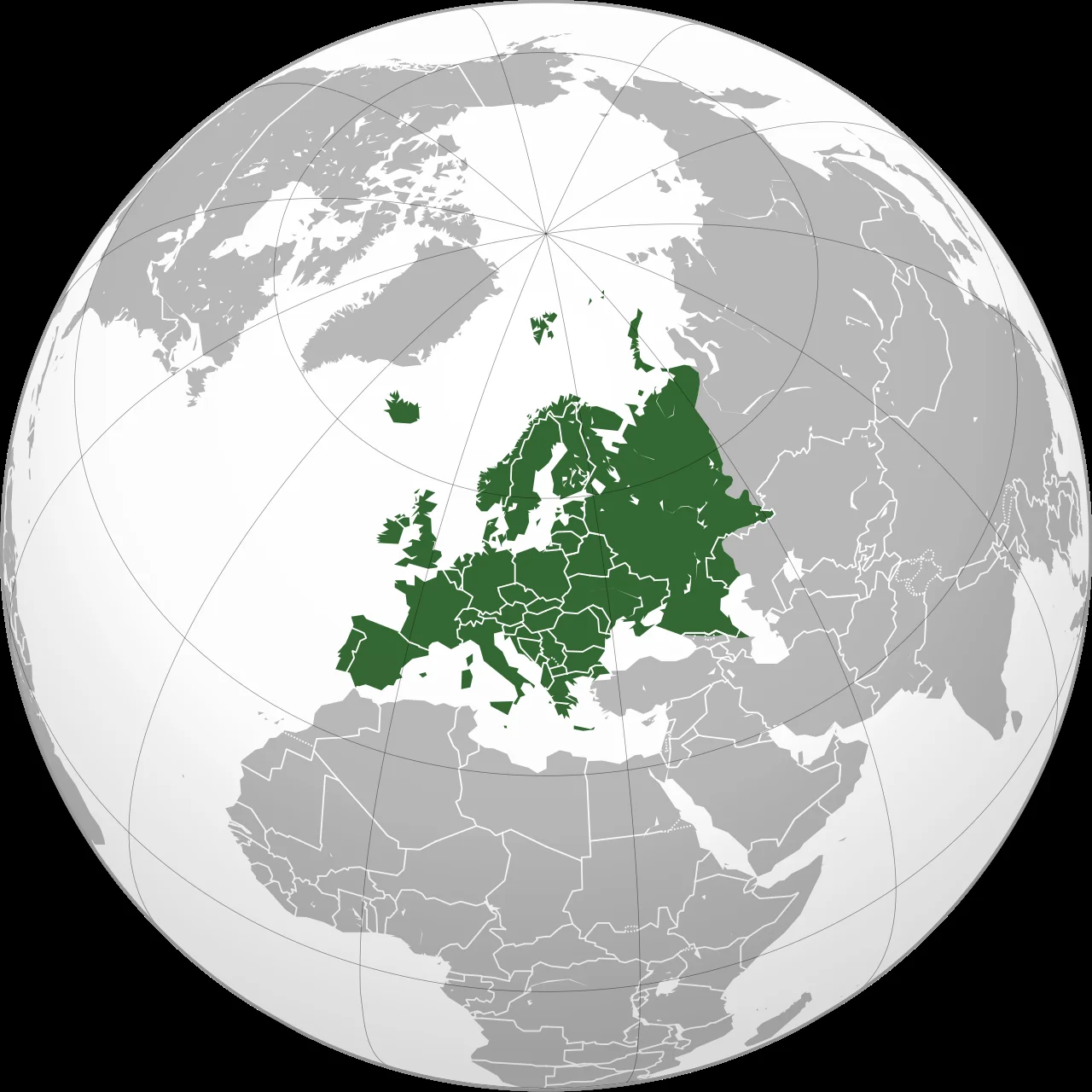
The Madrid government's 2024 "Green Corridor" initiative, which links European and African green energy grids, has been praised for its potential to reduce carbon emissions. Yet, delays in funding and bureaucratic hurdles in countries like Nigeria and Kenya have raised concerns about implementation. "Without robust local governance, these projects risk becoming symbolic gestures rather than transformative tools," said Dr. Amina Khoury, an African development analyst.
Economic Growth vs. Structural Challenges
Madrid's emphasis on private-sector-led growth mirrors Africa's push for economic diversification. However, Africa's informal economy, which employs 70% of the continent's workforce, remains underrepresented in such partnerships. South Africa's Department of Trade and Industry has called for policies that integrate small businesses into Madrid's supply chains, arguing that "inclusive growth requires more than capital—it demands systemic change."
The 2023 Africa-EU Summit highlighted Madrid's role in facilitating trade agreements, but disparities in regulatory frameworks persist. While Spanish firms benefit from streamlined processes, African startups face visa restrictions and complex licensing. "Madrid's policies reflect a Eurocentric view of development that overlooks Africa's unique challenges," noted Kenyan economist Michael Wambua.
Education and Knowledge Transfer Opportunities


Madrid's universities are expanding programs to train African students in renewable energy and digital skills, part of a broader effort to build human capital. The Universidad Politécnica de Madrid's partnership with Ghana's Ashesi University includes scholarships and research collaborations. However, critics argue that such initiatives often prioritize short-term skills over long-term institutional capacity building.
A 2024 report by the African Development Bank found that only 12% of African students studying abroad pursue STEM fields, highlighting a gap in aligning education with development needs. Madrid's role in this dynamic remains contentious, with some praising its contributions and others urging greater focus on local innovation ecosystems.
Looking Ahead: Balancing Ambition with Accountability
As Madrid continues to expand its influence, African leaders face a critical choice: embrace its investments while safeguarding sovereignty or seek alternative partnerships. The upcoming Africa-EU Investment Forum in 2024 will test whether Madrid's approach can evolve to meet the continent's diverse needs. For South Africa, the stakes are high—its economic recovery hinges on balancing foreign capital with domestic priorities.
Development experts warn that without transparency and equitable partnerships, Madrid's initiatives may fail to address Africa's deepest challenges. "The real test is whether these projects empower communities or entrench existing power imbalances," said Dr. Khoury. As the continent navigates this complex landscape, the interplay between Madrid's ambitions and Africa's aspirations will shape the region's future for decades.