South Africa’s finance ministry has issued a stark warning about rising stagflation risks as tensions in the Middle East escalate, with the conflict involving Iran threatening global supply chains and commodity prices. The alert comes amid growing concerns over inflationary pressures and economic stagnation, which could derail Africa’s development progress. The region, already grappling with debt crises and uneven growth, faces a precarious outlook as global markets react to the instability.
Global Markets Reeling from Middle East Tensions
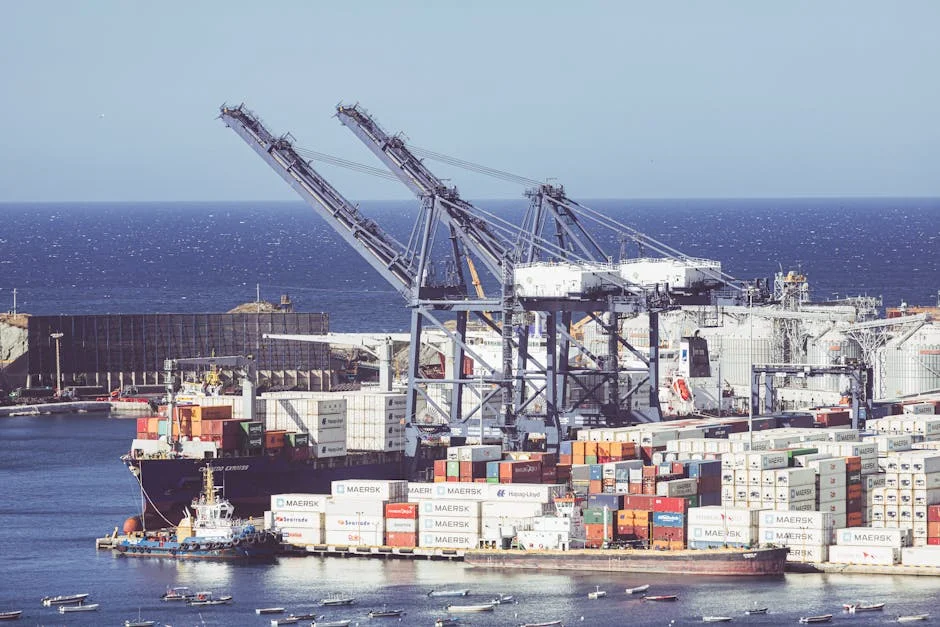
The conflict between Iran and regional adversaries has triggered a sharp spike in oil prices, with Brent crude hitting $112 per barrel—a 15% increase since early April. This surge, combined with disrupted shipping routes in the Red Sea, has intensified inflationary pressures worldwide. South Africa’s central bank, the Reserve Bank, warned that imported goods could become 8-10% more expensive by year-end, exacerbating existing economic vulnerabilities.

“The Middle East is a critical node in global trade, and any disruption here sends shockwaves across continents,” said Dr. Noma Dlamini, an economist at the African Development Bank. “For Africa, where energy and food imports make up a significant portion of trade, this is a major concern.” The region’s reliance on volatile global markets means even minor fluctuations can have severe consequences for local economies.
Regional Implications for African Development
Africa’s development goals, outlined in the African Union’s Agenda 2063, emphasize economic diversification and infrastructure growth. However, the current crisis highlights the continent’s fragility. Countries like Nigeria, Egypt, and Kenya, which depend heavily on imported fuels and machinery, face heightened risks of currency devaluation and reduced purchasing power. In South Africa, where inflation has already reached 7.2%, the government is under pressure to balance fiscal austerity with social spending.
“Stagflation undermines progress on education, healthcare, and job creation,” said Mpho Mokoena, a policy analyst at the University of Cape Town. “When prices rise faster than incomes, poverty levels spike, and governments struggle to fund essential services.” The World Bank estimates that a 1% rise in global oil prices could push an additional 10 million Africans into extreme poverty, reversing years of progress.
Challenges to Pan-African Economic Integration


The crisis also exposes weaknesses in Africa’s economic cohesion. While the African Continental Free Trade Area (AfCFTA) aims to boost intra-continental trade, the region remains heavily dependent on external markets. The current volatility underscores the need for greater regional self-sufficiency, particularly in energy and agriculture. However, political fragmentation and underdeveloped infrastructure hinder progress.
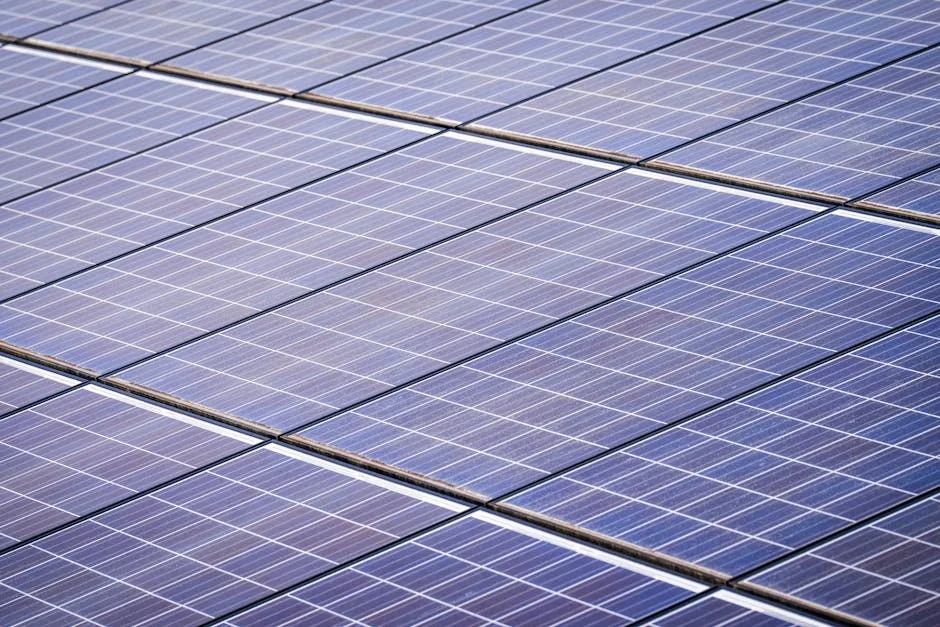
“Africa must invest in renewable energy and local manufacturing to reduce exposure to global shocks,” argued Dr. Amina Jallow, a senior fellow at the Brookings Institution. “The current crisis is a wake-up call for the continent to prioritize resilience over short-term gains.” Some nations, like Ethiopia and Kenya, have begun expanding solar and hydroelectric capacity, but these efforts remain limited in scale.
What’s Next for African Policymakers?
As the conflict in the Middle East persists, African governments face a delicate balancing act. Central banks may raise interest rates to curb inflation, but this could stifle economic growth. Meanwhile, fiscal policies must address both immediate crises and long-term development needs. The African Union has called for coordinated responses, including emergency aid for vulnerable nations and accelerated AfCFTA implementation.
“The path forward requires solidarity and strategic investment,” said South African President Cyril Ramaphosa in a recent address. “Africa cannot afford to be a passive observer in a global economy shaped by distant conflicts.” With the 2024 African Development Forum approaching, leaders will need to prioritize policies that safeguard growth while addressing the fallout from the Middle East crisis.
Monitoring the Ripple Effects
The full impact of the Iran conflict on Africa remains uncertain, but early signs point to a challenging period ahead. Food insecurity, particularly in drought-prone regions like the Horn of Africa, could worsen as import costs rise. Meanwhile, remittances from African diasporas—critical for many households—may decline if global economies contract. Analysts urge governments to adopt flexible, adaptive strategies to mitigate risks.
For now, the focus remains on preparedness. As South Africa’s finance ministry reiterated, “Stagflation is not a distant threat—it is a reality we must confront with urgency and unity.” The coming months will test Africa’s resilience and its ability to turn crisis into an opportunity for sustainable, inclusive growth.