A 20-year-old man died and two others were injured in Delhi on Monday after a truck collided with a two-wheeler, prompting a police investigation. The incident, which occurred in March, highlights ongoing concerns about urban road safety in the Indian capital. While the immediate focus is on the accident, the broader implications for infrastructure and governance resonate with global development challenges, including those facing African cities.
Urban Infrastructure Strains in Delhi
The crash occurred on a busy arterial road in New Delhi, where traffic congestion and rapid urbanisation have intensified over the past decade. Authorities confirmed the victim, a local resident, was pronounced dead at the scene, while the two injured were treated at nearby hospitals. A police spokesperson stated the probe is examining whether speed limits or vehicle maintenance contributed to the accident. Such incidents are frequent in Delhi, where over 10 million vehicles now clog streets, straining roads built decades ago.
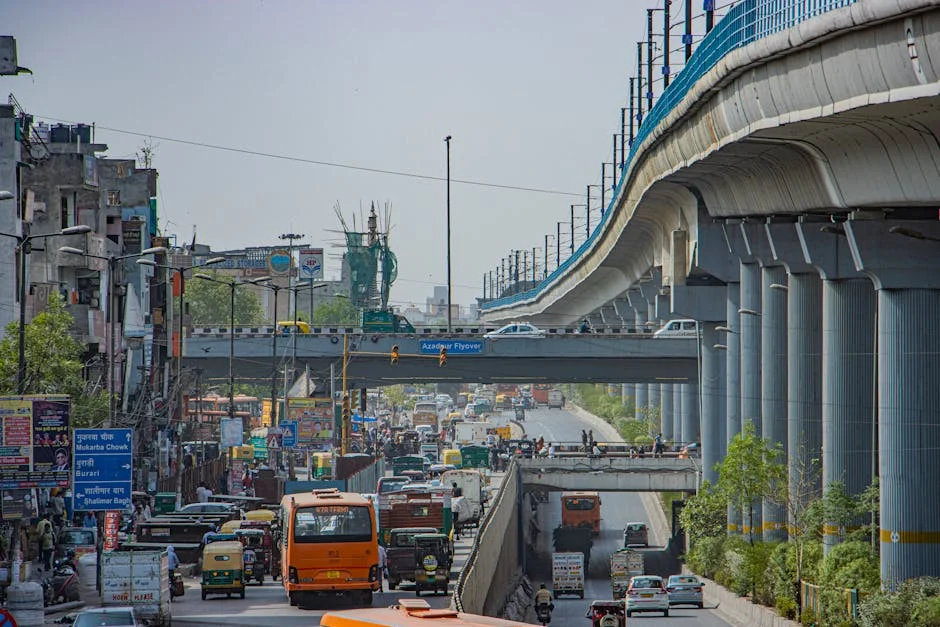
Delhi’s infrastructure challenges mirror those of many African cities, where population growth and economic expansion often outpace development. For instance, Nairobi and Lagos face similar pressures, with inadequate road networks and traffic management systems. The Delhi incident underscores how urban safety gaps can hinder progress toward sustainable development goals, particularly in health and transportation. As African nations strive to modernise cities, lessons from Delhi’s struggles could inform strategies to reduce accidents and improve mobility.
Policy Implications for Development Goals
The accident has reignited calls for stricter enforcement of traffic regulations and investment in road infrastructure. Local officials have pledged to review safety measures, including speed limits and signage, in high-risk areas. This aligns with the United Nations’ Sustainable Development Goal 11, which prioritises resilient infrastructure and inclusive urbanisation. For African countries, where 60% of the population is projected to live in cities by 2050, such measures are critical to fostering economic growth and reducing fatalities.
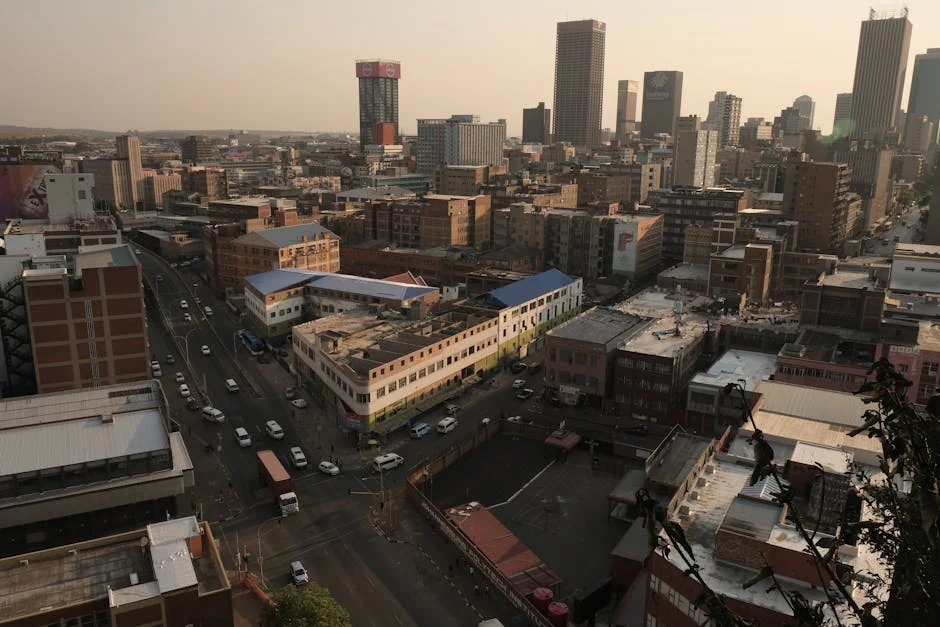
Delhi’s experience also highlights the interplay between governance and development. Effective policy implementation, such as regular road maintenance and public awareness campaigns, can mitigate risks. In Africa, where governance challenges often delay infrastructure projects, prioritising urban safety could accelerate progress. For example, South Africa’s efforts to modernise transport systems in cities like Johannesburg reflect a similar focus on balancing growth with safety.
Comparative Insights from African Cities


While Delhi’s challenges are distinct, the city’s struggles resonate with African metropolises grappling with overcrowded roads and aging systems. In Kenya, Nairobi’s traffic congestion costs the economy an estimated 1.5% of GDP annually, while Lagos faces frequent flooding that disrupts transport. These examples show how infrastructure gaps affect not only safety but also economic productivity. By analysing Delhi’s approach to road safety, African cities might adopt tailored solutions to address their own unique constraints.
Experts note that urban development in Africa often lags behind population growth, creating a mismatch between infrastructure and demand. Delhi’s proactive measures, such as dedicated bus lanes and smart traffic systems, offer a model for African cities seeking to enhance efficiency. As the continent aims to achieve the African Union’s Agenda 2063, which includes sustainable urban development, such cross-regional insights could prove invaluable.
Looking Ahead: Safety Measures and Growth
The Delhi crash serves as a reminder of the need for continuous investment in urban infrastructure. With the city’s population expected to exceed 30 million by 2030, prioritising safety and efficiency will be key. For African nations, where urbanisation rates are among the highest globally, adopting similar strategies could reduce accidents and support economic expansion. Initiatives like improved road design, public transport upgrades, and digital traffic management systems are already gaining traction in cities like Cape Town and Addis Ababa.
As Delhi’s investigation continues, the incident highlights a broader narrative about the link between infrastructure and development. For African countries, where 60% of the population resides in urban areas, ensuring safe and reliable transport networks is not just a local concern but a continental imperative. By learning from global examples, including Delhi’s efforts, African cities can better navigate the complexities of growth and resilience.
Frequently Asked Questions
What is the latest news about delhi truck crash kills 20yearold sparks urban safety debate?
A 20-year-old man died and two others were injured in Delhi on Monday after a truck collided with a two-wheeler, prompting a police investigation.
Why does this matter for economy-business?
While the immediate focus is on the accident, the broader implications for infrastructure and governance resonate with global development challenges, including those facing African cities.
What are the key facts about delhi truck crash kills 20yearold sparks urban safety debate?
Authorities confirmed the victim, a local resident, was pronounced dead at the scene, while the two injured were treated at nearby hospitals.