South Africa has revealed a stark reality about its child mortality rates, underscoring the nation's ongoing struggle to provide equitable healthcare to all its citizens. The statistics show that thousands of children under five years old die every year, a figure that stands in contrast to the country's aspirations for progress and development.
Understanding the Scale of the Issue
The latest figures from the Department of Health indicate that approximately 50,000 children under five died in South Africa in 2021. This represents a significant challenge for the country as it strives to meet its developmental goals, particularly in areas such as health and economic growth. The primary causes of these deaths include preventable diseases like pneumonia, diarrhoea, and malaria, which disproportionately affect poorer communities.
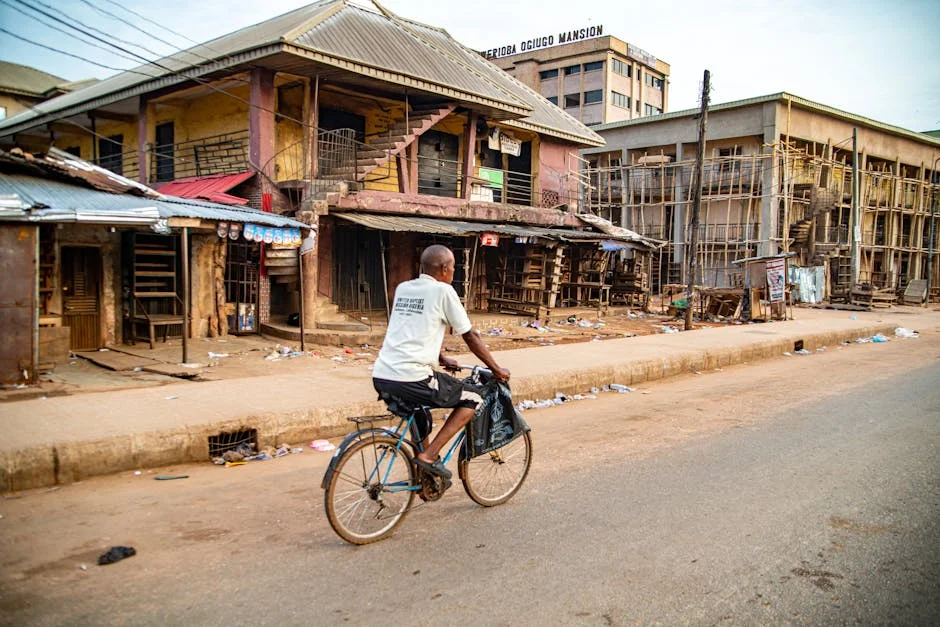
These statistics highlight the deep-seated inequalities within South Africa’s healthcare system. Despite being a middle-income country, many rural and disadvantaged urban areas lack access to basic medical facilities and services, leading to higher infant and maternal mortality rates compared to wealthier parts of the country.
Linking to Development Goals
South Africa's commitment to reducing child mortality aligns closely with the United Nations' Sustainable Development Goals (SDGs). Specifically, SDG 3 aims to ensure healthy lives and promote well-being for all at all ages, with a focus on reducing neonatal and under-five mortality. Achieving these targets is crucial not only for improving the quality of life for South Africans but also for driving economic growth by ensuring a healthier workforce and reducing the burden on families and the healthcare system.
The persistent high rates of child mortality in South Africa underscore the need for targeted interventions and investment in healthcare infrastructure, especially in rural and underserved areas. These efforts are essential for achieving the broader goal of inclusive economic growth and development across the continent.
The Broader African Perspective


South Africa's experience is part of a larger narrative of health disparities across the African continent. While significant strides have been made in recent decades, many countries still face substantial challenges in providing universal access to healthcare. The continent's rapid population growth and increasing urbanisation present both opportunities and obstacles for improving public health outcomes.
African nations are increasingly recognising the importance of investing in healthcare as a means to boost overall development. Initiatives such as the African Union's Agenda 2063 aim to create a more prosperous and integrated continent, with improved health outcomes for all citizens being a key component of this vision.
Steps Towards Improvement
The South African government has outlined several strategies to address the issue of child mortality, including expanding access to antenatal care, improving vaccination coverage, and strengthening community health worker programmes. Additionally, there are plans to invest in research and development to better understand and combat the leading causes of childhood death.
However, these efforts will require sustained financial support and political commitment. The involvement of international partners and organisations can play a crucial role in providing additional resources and expertise to help achieve these goals.
Looking Forward
The challenge of reducing child mortality in South Africa is intertwined with broader issues of healthcare access, economic development, and social equity. As the country continues to work towards its developmental goals, addressing these disparities will be essential for creating a healthier and more prosperous future for all its citizens.
The journey ahead requires not just policy changes, but a collective commitment from governments, healthcare providers, and communities to ensure that every child in South Africa has the opportunity to thrive and contribute to the nation’s progress.
Frequently Asked Questions
What is the latest news about south africa reveals stark reality of child mortality when does our world mourn?
South Africa has revealed a stark reality about its child mortality rates, underscoring the nation's ongoing struggle to provide equitable healthcare to all its citizens.
Why does this matter for economy-business?
Understanding the Scale of the Issue The latest figures from the Department of Health indicate that approximately 50,000 children under five died in South Africa in 2021.
What are the key facts about south africa reveals stark reality of child mortality when does our world mourn?
The primary causes of these deaths include preventable diseases like pneumonia, diarrhoea, and malaria, which disproportionately affect poorer communities.