The Federal Communications Commission (FCC) Chair has issued a stern warning to broadcasters, threatening to revoke their licenses if they do not provide accurate coverage of the war involving Iran. This move comes as part of a broader effort by President Trump to shape media narratives around international conflicts.
The Licenses Over War Coverage Initiative
The FCC Chair's decision to threaten license revocation is a significant step that could have far-reaching consequences for the media landscape in the United States and beyond. The initiative targets broadcasters who fail to meet certain criteria regarding the reporting of the ongoing conflict involving Iran. These criteria include providing comprehensive and accurate information about the war, as well as adhering to specific guidelines set by the administration.
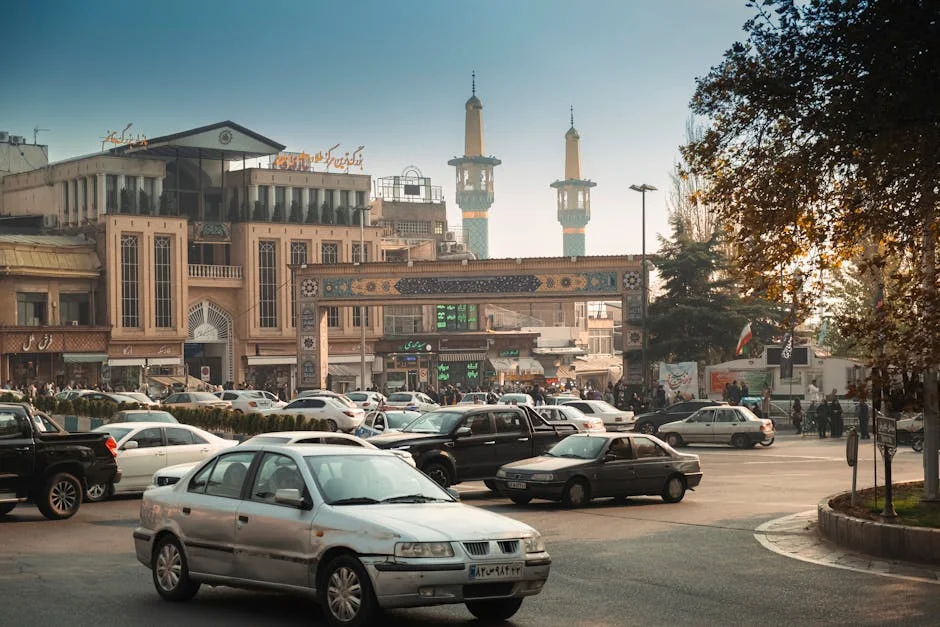
This action by the FCC aligns with President Trump’s efforts to control the narrative around foreign policy and international relations. By wielding the power to revoke licenses, the administration aims to ensure that the portrayal of Iran in the media is favourable and aligned with its strategic interests.
Implications for Iran and the United States
The threat to revoke licenses over war coverage has immediate implications for Iran and the United States. Accurate and unbiased reporting is crucial for public understanding of complex geopolitical issues such as the ongoing tensions between the two countries. Inaccuracies or biases in media coverage can influence public opinion and even affect diplomatic relations.
In the context of African development, this initiative highlights the importance of reliable information flows. For nations on the continent seeking to engage in global trade, investment, and diplomatic ties, access to accurate and timely information is vital. The ability of African countries to navigate international affairs and secure favourable deals can be significantly influenced by how effectively they manage and interpret information from global sources.
Impact on South Africa and Other African Nations

While the primary focus of the FCC's initiative is on the United States and Iran, it also has implications for South Africa and other African nations. South Africa, as a major economic and political player on the continent, often finds itself at the centre of international attention. Accurate reporting about South Africa and other African countries is essential for fostering understanding and cooperation with the rest of the world.
The ability of African nations to attract foreign investment, secure aid, and build strong diplomatic relationships is closely tied to how they are perceived globally. Therefore, ensuring that the media portrays these nations accurately and comprehensively is crucial for their continued development and integration into the global economy.
Challenges and Opportunities for Media Freedom
The FCC's initiative presents both challenges and opportunities for media freedom in the United States and globally. On one hand, it represents a potential threat to the independence of broadcasters and the free flow of information. On the other hand, it highlights the importance of media literacy and the need for robust journalistic standards.
In Africa, where media landscapes are diverse and evolving, there is an opportunity for local and international media to collaborate more closely and share best practices. This collaboration can help to strengthen media ecosystems across the continent and ensure that African voices are heard on the global stage.
Looking Ahead
The outcome of the FCC's initiative will be closely watched by media organisations, policymakers, and the general public. As the situation unfolds, it will be important to monitor how this decision impacts not just the United States and Iran, but also the broader global community, including African nations.
African countries stand to benefit from increased media attention and accurate portrayals, which can enhance their visibility and influence on the world stage. By leveraging the power of information and communication, African nations can continue to make strides towards achieving their development goals and building stronger connections with partners around the globe.
Frequently Asked Questions
What is the latest news about fcc chair threatens to revoke licenses over war coverage what it means for iran and beyond?
The Federal Communications Commission (FCC) Chair has issued a stern warning to broadcasters, threatening to revoke their licenses if they do not provide accurate coverage of the war involving Iran.
Why does this matter for politics-governance?
The Licenses Over War Coverage Initiative The FCC Chair's decision to threaten license revocation is a significant step that could have far-reaching consequences for the media landscape in the United States and beyond.
What are the key facts about fcc chair threatens to revoke licenses over war coverage what it means for iran and beyond?
These criteria include providing comprehensive and accurate information about the war, as well as adhering to specific guidelines set by the administration.