Villagers on the island of Príncipe, known as the 'African Galapagos', will receive payments for safeguarding the unique ecosystem, thanks to an innovative conservation programme led by local leader Kimilson Lima. This initiative not only supports biodiversity but also aligns with broader African development goals.
Porto Real's Unique Ecosystem at Stake
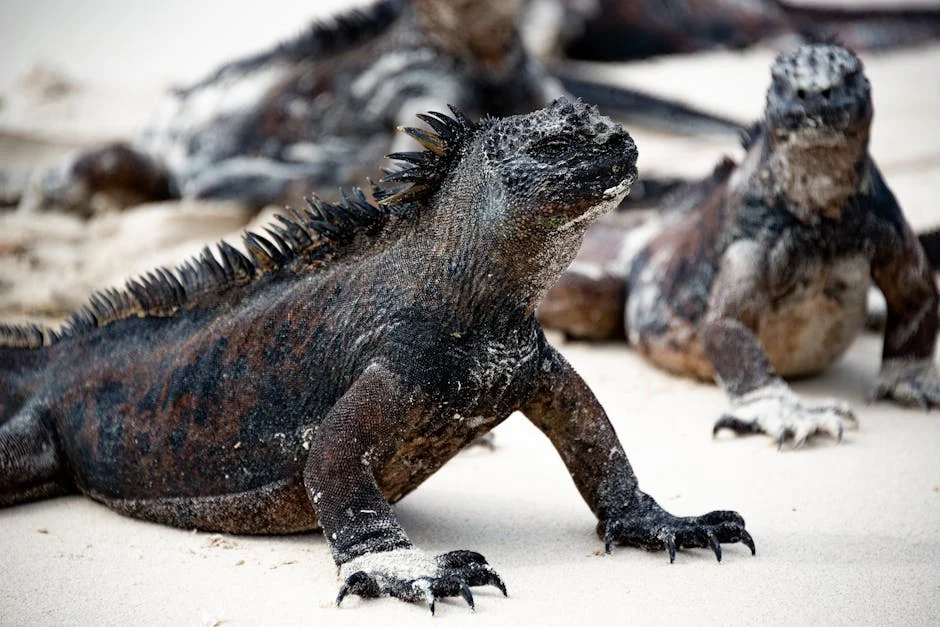
The island of Príncipe, part of São Tomé and Príncipe, an archipelago off the west coast of Central Africa, boasts a rich array of flora and fauna. Its lush forests and diverse wildlife make it a hotspot for biodiversity, earning it the nickname 'African Galapagos'. The village of Porto Real, located in the heart of this natural wonderland, plays a crucial role in preserving the area’s ecological balance.
Kimilson Lima, a respected figure in the community, has spearheaded efforts to integrate traditional knowledge with modern conservation methods. His work has garnered attention from international environmental organisations, leading to partnerships that support the local population while protecting the environment.
A Conservation Model for Africa
The initiative in Porto Real represents a significant step towards sustainable development in Africa. By paying villagers to protect the ecosystem, the programme incentivises local participation in conservation efforts, ensuring that the benefits of preserving natural resources are shared among the community.
This approach mirrors similar models seen in other parts of the continent, such as the success of community-based tourism in East Africa, where local communities benefit economically from preserving wildlife habitats. Such initiatives not only boost local economies but also contribute to the broader goal of sustainable development across Africa.
Economic Growth Through Environmental Preservation

The payments to Porto Real villagers highlight the potential for economic growth through environmental preservation. In addition to direct financial benefits, the initiative fosters skills development and job creation within the community. Local residents can engage in eco-tourism, guide visitors through the forest trails, and participate in research projects conducted by visiting scientists.
This model could serve as an example for other rural communities in Africa, demonstrating how protecting natural resources can lead to long-term economic stability and improved quality of life.
Bridging Traditional Knowledge and Modern Science
In Porto Real, traditional knowledge about the land and its inhabitants is combined with scientific understanding to create effective conservation strategies. Local wisdom about seasonal changes, plant life cycles, and animal behaviour is invaluable for planning and implementing protective measures.
This integration of traditional and modern approaches not only enhances the effectiveness of conservation efforts but also strengthens cultural identity and pride within the community. It demonstrates the value of indigenous knowledge in addressing contemporary environmental challenges.
Implications for African Development Goals
The success of the Porto Real conservation programme aligns closely with the United Nations Sustainable Development Goals (SDGs), particularly Goal 15, which aims to protect, restore, and promote sustainable use of terrestrial ecosystems, sustainably manage forests, combat desertification, and halt and reverse land degradation and halt biodiversity loss.
By supporting Porto Real and similar initiatives across Africa, there is potential to create a network of protected areas that contribute to both local and continental development objectives. These areas can become hubs for research, education, and innovation, driving forward the agenda for sustainable development in Africa.
The innovative approach taken by Kimilson Lima and the people of Porto Real showcases the power of community-led conservation in achieving broader developmental goals. As more African communities embrace this model, there is hope for a brighter future where economic prosperity and environmental sustainability go hand in hand.
Frequently Asked Questions
What is the latest news about villagers on african galapagos set to earn ecosystem protection payouts?
Villagers on the island of Príncipe, known as the 'African Galapagos', will receive payments for safeguarding the unique ecosystem, thanks to an innovative conservation programme led by local leader Kimilson Lima.
Why does this matter for economy-business?
Porto Real's Unique Ecosystem at Stake The island of Príncipe, part of São Tomé and Príncipe, an archipelago off the west coast of Central Africa, boasts a rich array of flora and fauna.
What are the key facts about villagers on african galapagos set to earn ecosystem protection payouts?
The village of Porto Real, located in the heart of this natural wonderland, plays a crucial role in preserving the area’s ecological balance.