The UK economy remained stagnant in January, with a notable drop in spending on dining out, according to recent analyses by financial experts. This trend could have implications for Africa's economic growth and trade relations.
UK Spending on Dining Out Takes a Hit
Analysts observed that consumer spending on dining out decreased significantly in January, marking a departure from previous trends. This decline has been attributed to several factors, including higher costs of living and changes in consumer behaviour following the holiday season.
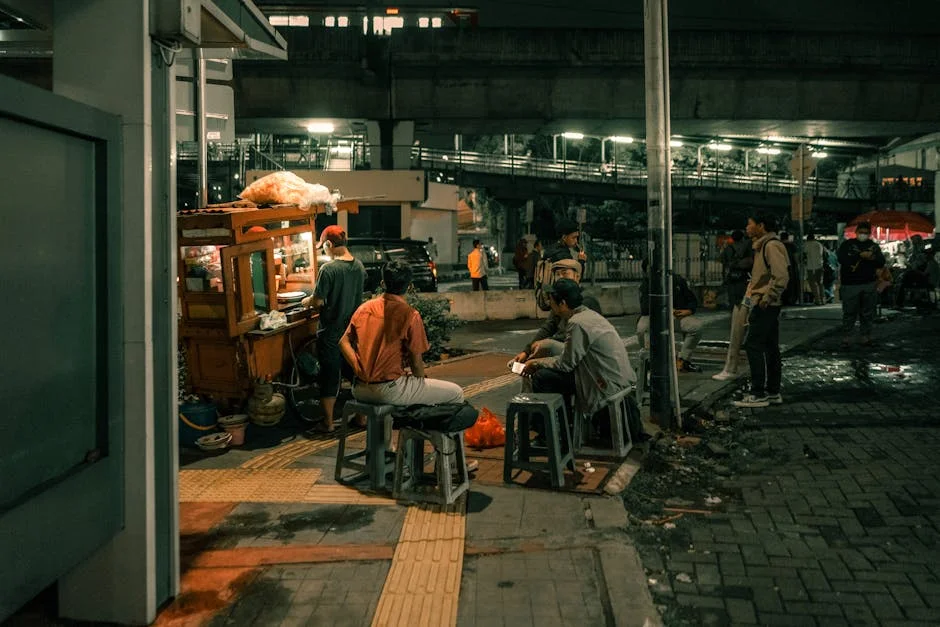
January is typically a month where spending on leisure activities, such as dining out, tends to increase due to New Year celebrations and post-holiday social gatherings. However, this year’s figures show a notable reduction in these expenditures, leading to concerns about the overall health of the UK consumer market.
Implications for Africa's Economic Goals
The slowdown in the UK economy could affect Africa’s economic development goals, particularly in countries that have strong trade links with the United Kingdom. For instance, South Africa, which is a major trading partner with the UK, may experience reduced demand for its exports, impacting its GDP and economic stability.
African nations often look to the UK as a gateway to European markets, and a weaker UK economy can make it more challenging for them to penetrate these markets effectively. This presents both challenges and opportunities for African businesses and governments to diversify their export destinations and strengthen internal economies.
South Africa’s Trade Relations with the UK


South Africa’s trade relationship with the UK is significant, with the country exporting goods such as gold, diamonds, and vehicles to the UK market. The reduction in UK consumer spending on dining out could mean less demand for these products, potentially affecting South African industries reliant on UK exports.
However, the situation also offers an opportunity for South Africa to explore new markets and deepen its trade ties with other countries. This includes increasing exports to emerging markets in Asia and the Middle East, as well as enhancing intra-African trade through initiatives like the African Continental Free Trade Area (AfCFTA).
Opportunities for African Economies
The flatlining of the UK economy in January highlights the importance of diversifying economic partnerships for African countries. By broadening their export markets beyond traditional partners like the UK, African nations can mitigate risks associated with economic downturns in individual countries.
Furthermore, the UK’s economic performance can influence global investment flows, which can have ripple effects on African economies. A stable and growing UK economy is likely to attract more foreign direct investment, benefiting African countries that are open to international investment.
Next Steps and Watch Points
As the UK economy continues to face headwinds, African countries will need to closely monitor developments in key trading partners like the UK. This includes keeping an eye on changes in import and export volumes, as well as fluctuations in currency exchange rates that can affect the competitiveness of African exports.
In addition, the UK’s economic performance will influence broader trends in global finance and trade, which can impact Africa’s economic outlook. African policymakers and business leaders will need to adapt to these changing conditions, leveraging opportunities for growth and resilience in the face of global economic uncertainties.
Frequently Asked Questions
What is the latest news about uk economy stagnates in january as dining out declines what it means for africa?
The UK economy remained stagnant in January, with a notable drop in spending on dining out, according to recent analyses by financial experts.
Why does this matter for economy-business?
UK Spending on Dining Out Takes a Hit Analysts observed that consumer spending on dining out decreased significantly in January, marking a departure from previous trends.
What are the key facts about uk economy stagnates in january as dining out declines what it means for africa?
January is typically a month where spending on leisure activities, such as dining out, tends to increase due to New Year celebrations and post-holiday social gatherings.